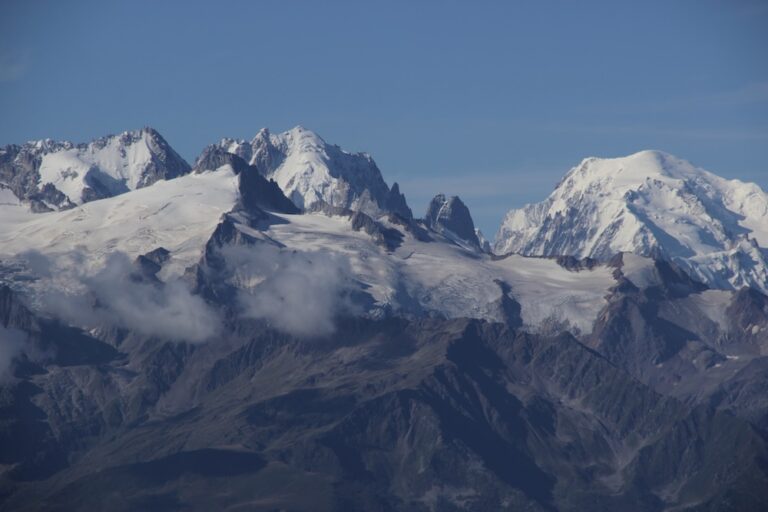
Perched at just under 2 400 m, Le Nid d’Aigle (technically situated in Saint‑Gervais) greets you with a sweeping view of the Mont‑Blanc massif and a historic chalet that once served as a mountain hospice. Whether you arrive by the legendary tramway, the cable car from Bellevue, or on foot from Saint‑Gervais, the sense of arriving at a crossroads of alpine history is immediate. The air smells of pine and stone, the sky stretches wider than any cityscape, and the distant sound of the wind over the peaks reminds you why the French Alps have inspired poets for centuries.
In this guide we’ll walk you through every practical detail: the most scenic routes from Mont Lachat, the logistics of the Tramway du Mont‑Blanc, the best hiking options from Saint‑Gervais, and what you can actually do once you stand on the “Eagle’s Nest”. Expect a blend of concrete advice, personal anecdotes and a few tables that make planning as easy as a lift ride on a sunny summer day.
Table of Contents
From Mont Lachat to the Eagle’s Nest – route overview
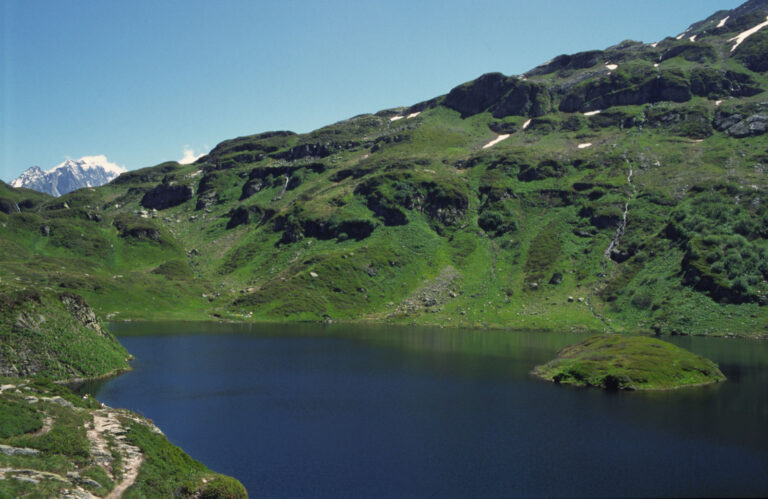
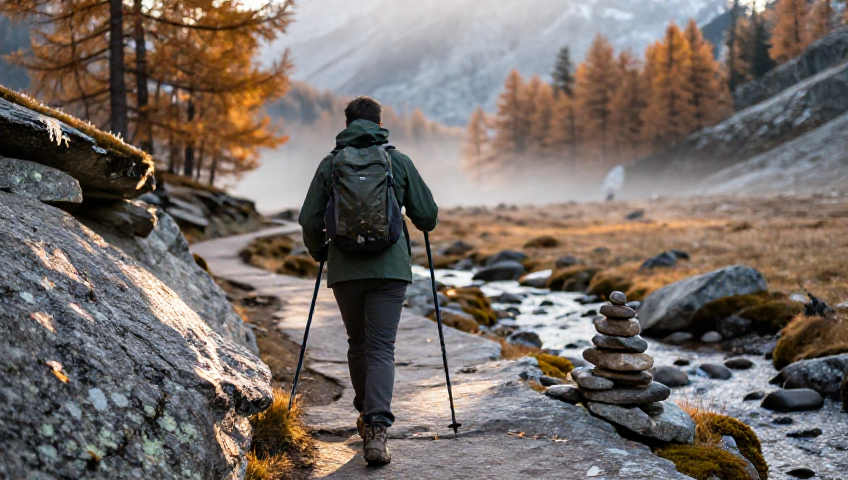
Mont Lachat, the gentle limestone crown that rises above Saint‑Gervais, is often the unnoticed starting point for hikers aiming at the Nid d’Aigle. From the summit, you set off on a well‑marked trail that snakes down through alpine meadows before climbing again towards the dramatic rock faces that frame the Nid. The first half is a leisurely descent – perfect for acclimatising – while the final ascent rewards you with a series of switchbacks that reveal the glacier‑crowned peaks of the Mont‑Blanc range.
Trail highlights
- Panoramic viewpoints over the Chamonix valley, especially at the “Mirador du Lachat”.
- Historic huts such as the Refuge du Touvet, where the scent of melted cheese still lingers.
- Flora that shifts from wild thyme in early summer to alpine roses toward September.
Difficulty and timing
The whole trek from the Mont Lachat summit to the Nis d’Aigle takes roughly three to three‑and‑a‑half hours for an average hiker. Elevation gain is about 650 m, and although the path is well‑maintained, certain sections become slick after rain. Seasonal variations matter: in early June you may encounter lingering snow on the higher passes, while late August offers clear, dry footing but more intense sun exposure.
My first attempt in June 2025 was a lesson in humility – a sudden thaw turned a supposedly “easy” section into a mini‑ice field that forced us to pause, drink hot cocoa from our thermos, and laugh at the absurdity of using crampons on a supposedly “summer” hike. The experience, however, underscored the importance of layered clothing and solid boots.
Getting there: transport options to Le Nid d’Aigle
Reaching the Eagle’s Nest without a car is not only possible, it’s often the most enjoyable way to soak up the scenery. The valley’s transport network blends historic rail, modern gondolas and a web of local buses that shuttle hikers from the village centres right to the trailheads.
Tramway du Mont‑Blanc
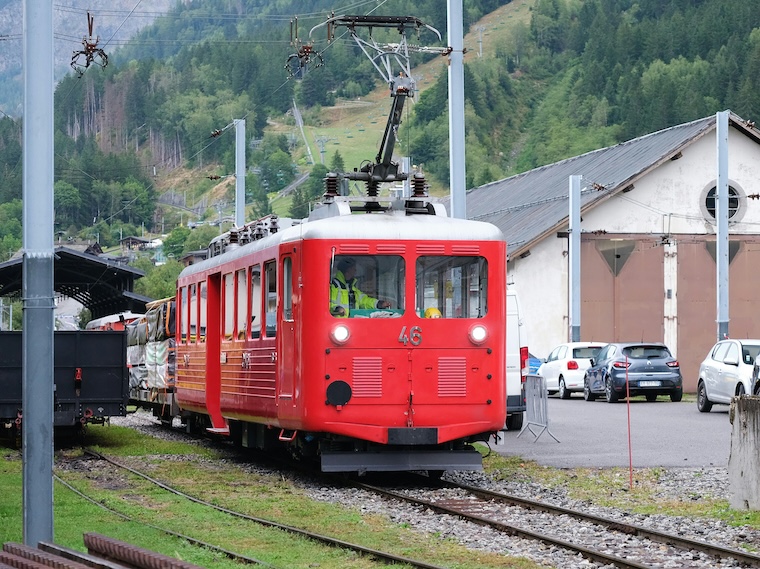
The iconic Tramway du Mont‑Blanc (often called the Mont‑Blanc Railway) climbs from Saint‑Gervais up to the Nid in about ten minutes. The train follows the old mountain railway line, passing tunnels carved into the rock and offering picture‑perfect windows that frame the surrounding mountains like living postcards. Tickets can be bought at the Saint‑Gervais station or online – advance purchase secures a seat, especially in July and August when demand peaks.
A quick tip: board the tram early in the morning (around 8 am) to avoid the “rush hour” of tourists who tend to flock around noon for lunch. The early ride also affords you a softer light for photographs, the sky still a pale blue that deepens as the day progresses.
Bellevue cable car & bus connections
If you prefer a more aerial approach, the Bellevue cable car whisks you from the village of Les Houches to the Bellevue plateau in roughly fifteen minutes. From there, a local bus (line 16) descends to the Crozat parking area, the usual start point for the walking trail to the Nid. The bus runs every 30 minutes during the high season, and the ride itself offers a bird’s‑eye view of the valley’s patchwork of farms.
| Service | Frequency (summer) | Last departure |
|---|---|---|
| Tramway du Mont‑Blanc (Saint‑Gervais → Nid) | Every 30 min | 18:30 |
| Bellevue cable car (Les Houches → Bellevue) | Every 20 min | 20:00 |
| Bus 16 (Bellevue → Crozat) | Every 30 min | 19:45 |
Combining the cable car with the bus is a great way to cut down on walking distance, especially if you’re carrying a heavier pack or traveling with children. I once opted for this combo on a breezy August morning; the short stroll from the parking lot to the trailhead felt like a pleasant warm‑up rather than a slog.
Hiking from Saint‑Gervais to the summit
For the purists who love to earn their mountain views, the hike from Saint‑Gervais up to the Nid is a classic alpine day‑trip. The trek can be tackled in several ways, but the most popular route follows the historic “voie royale” that once linked the village to the top of the Mont‑Blanc Massif.
Starting points
- Saint‑Gervais‑Les‑Bains – the main hub, where you can leave your car in the underground garage.
- Parking du Crozat – a smaller lot nearer the trail, reachable by bus or a short drive.
- Hut of l’Are – a midway rest point where some hikers choose to break their ascent.
The most common launch point for a direct ascent is the Crozat parking area, as it reduces the initial climb and lets you focus on the higher terrain where the views become truly spectacular.
Safety tips
Even though the trail is well‑marked, alpine weather can change in minutes. Always carry a lightweight waterproof jacket, a map (or a reliable offline GPS app), and enough water – the altitude can dehydrate you faster than you expect. A short weather check on the local Meteo‑France site (or simply listening to the village’s weather board) is a habit I’ve kept since my first hike in 2018.
One overlooked safety measure is to inform someone of your expected return time. The last thing you want is a night‑time wait for rescue services because you lost track of time while admiring a sunrise over the Aiguille du Midi.
The Eagle’s Nest train experience
The train ride itself is an experience worthy of a dedicated paragraph. The vintage carriage, with its wooden benches and brass fixtures, feels like stepping back into a 1900s travelogue. As the locomotive climbs, you’ll hear the rhythmic click‑clack that has accompanied countless hikers over the last century.
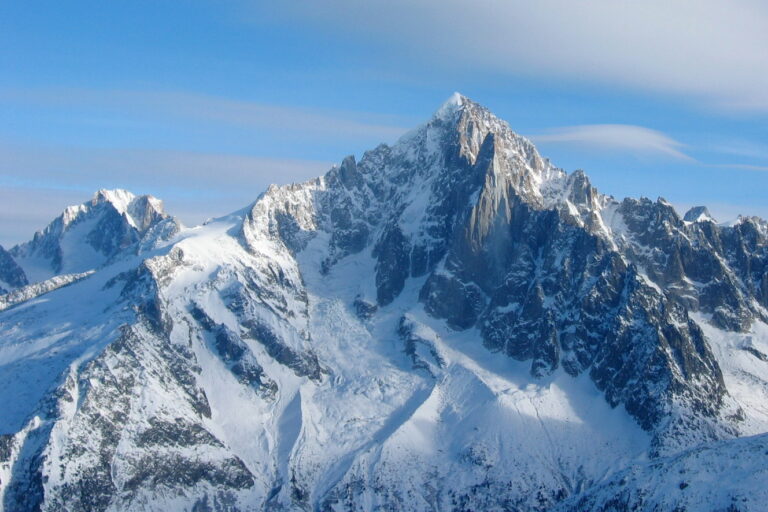
Inside the carriage, the large windows become living canvases: at 1 500 m you glimpse the valley below, at 2 000 m the glaciers peek through a veil of early morning mist, and as you approach the Nid, the view opens up to reveal the iconic “Aiguille du Midi” jutting skyward. I’ve often found myself sharing the carriage with fellow hikers who, like me, are eager to discuss the best spots for a quick coffee once we disembark.
At the top, the small station platform extends just enough for a handful of passengers to alight. A short, well‑signposted path leads you directly to the restaurant terrace where you can treat yourself to a hearty Alpine lunch while the world below seems to shrink into a miniature model.
Practical information and what to expect at the top
Reaching the nest is only half the adventure; the other half is deciding what to do once you stand at 2 372 m. The area hosts a modest restaurant, a souvenir shop, and a viewpoint platform with informational panels about the local geology and history.
Facilities
- Restaurant “Le Nid d’Aigle” – offers regional dishes such as tartiflette, raclette, and a surprisingly good vegan option.
- Restrooms – clean, semi‑automatic, and open from 08:00 to 18:00 during peak season.
- First‑aid station – staffed intermittently; a good idea to keep a basic trauma kit in your pack.
Best times to visit
Early mornings (7‑9 am) grant you softer light and fewer crowds – ideal for photography. Late afternoons, especially around 4 pm, provide a warm glow over the Mont‑Blanc massif that photographers call the “golden hour”. If you prefer solitude, aim for a weekday in early June or late September; the weather is still favourable, but the tourist flow drops dramatically.
One anecdote: during a quiet Wednesday in early September 2025, I arrived just as the sun was dipping behind the Aiguille du Midi. The silence was broken only by a distant marmot’s call, and the restaurant staff offered a complimentary hot chocolate to celebrate the “sunset serenade”. Moments like this are why the Nid feels more than a waypoint – it feels like a living memory.
Frequent Asked Questions
How do I get up to the Nid d’Aigle?
The most straightforward way is the Tramway du Mont‑Blanc, a ten‑minute ride from Saint‑Gervais. Alternatives include the Bellevue cable car followed by a bus to the Crozat parking, or the marked hiking trail that starts above the Crozat car park and winds past Bellevue, the Col du Tricot and the chalet de l’Are.
What is the altitude of the Nid d’Aigle?
The site sits at 2 372 m. The ascent typically takes about 3 hours and 15 minutes from the trailhead, offering a dramatic transition from the verdant valley floor to the stark, alpine environment of high mountain terrain.
Can the Nid d’Aigle be visited?
Yes. Today the building at 1 834 m hosts a restaurant and a small museum. Visitors can enjoy panoramic views, sample local cuisine and, during summer, join guided tours that explain the history of the tramway and the surrounding peaks.
What exactly is a “nid d’aigle”?
In Alpine toponymy, a “nid d’aigle” (or “nid de vautour”) designates a secluded, often inaccessible mountain spot where eagles or vultures once nested. The name has been transferred to several high‑altitude locations throughout the Alps, reflecting the sense of remoteness and natural grandeur.
Why the Nid d’Aigle remains a must‑see in Chamonix Vibes
From the gentle slope of Mont Lachat to the sleek carriage of the tramway, the journey to Le Nid d’Aigle Saint‑Gervais is a micro‑adventure that captures the essence of the Chamonix valley. You’ll experience a blend of historic transport, rewarding hikes, and a summit that offers both culinary comfort and unrivaled vistas. Whether you’re a seasoned alpinist or a casual visitor seeking a memorable day‑trip, the Eagle’s Nest provides a perfect snapshot of what makes the French Alps timeless.
So pack your boots, check the weather, and let the mountain guide you. The next time you hear the soft clatter of the tramway climbing its historic route, know that you’re about to step into a place where nature, culture and a pinch of daring meet at 2 372 metres. And who knows – perhaps you’ll return with your own story to add to the ever‑growing chorus of voices that call the Nid d’Aigle home.