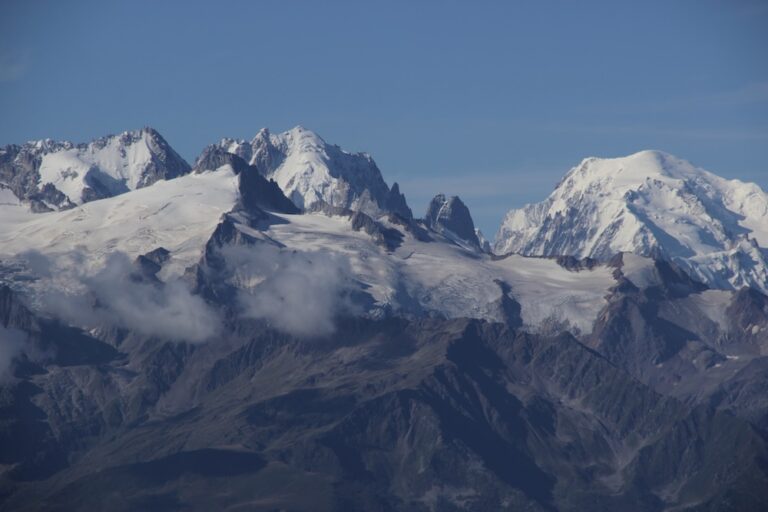
Nestled at the crossroads of the famous Bossons and Taconnaz glaciers, La Jonction offers a spectacular trail that threads a path through steep, rocky terrain and lush alpine forest. The journey begins near the bustling Chamonix valley, where a quick ride on the chairlift or cable car whisks you to the trailhead, and from there the route climbs past a series of dramatic ridges and icy serac formations. Hikers of all ages—including families with children and dogs—can enjoy the varied scenery, but the steep sections demand a good level of fitness and a respect for changing weather. In the early autumn the snow lingers, creating vertical walls of ice, while in summer the glacier melt reveals a vivid blue expanse. Along the way you’ll spot historic chalet shelters, occasional parking spots, and informative signs that guide you toward the summit of the peak. Whether you’re counting hours for a single‑day hike or planning a multi‑day bivouac, the route’s distance of roughly 10 km and an elevation gain of 800 m make it a rewarding challenge. The final stretch culminates at a breathtaking viewpoint where the great Mont Blanc dominates the horizon, offering a perfect reward for the effort.
Table of Contents
Getting to La Jonction: transport and trailhead access
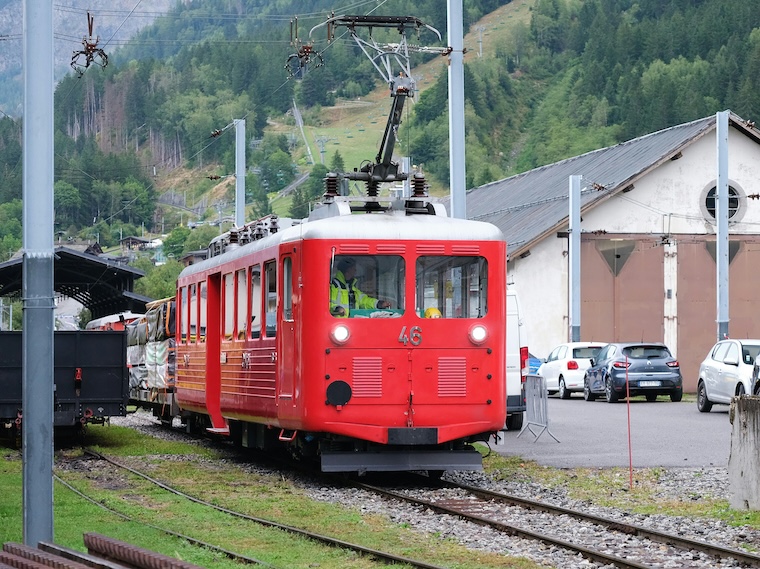
The most convenient way to start your adventure is to take the chairlift from the Hameau du Bois up to the “Alpage des Pyramides”. The ride lasts about ten minutes and drops you at the base of the forest path that soon opens onto the glacier. If you prefer a more budget‑friendly option, the local bus runs hourly from the centre of Chamonix to the “Bergers” stop; from there a short walk leads to the same starting point. For those driving, a free parking area is available near the Gîte à Balmat – just watch for the seasonal signs that indicate when spaces are reserved for resident snow‑clearing crews.
Insider hint: Arrive early in the morning, preferably before 08:00, to beat the crowds and catch the glacier in the soft, golden light that photographers love.
Alternative arrival via cable car
- Take the cable car from Chamonix to Le Brévent – a 20‑minute ascent offering panoramic views of the valley.
- From the Brévent station, follow the marked signs for the “Taconnaz” trailhead; it’s a longer walk (about 2 km) but provides an optional scenic detour through alpine meadows.
- Remember that the cable car operates only during the high‑season (June‑September), so check the weather forecast in advance.
Route
The La Jonction route is generally divided into three logical sections: the ascent to the glacier crossing, the high‑altitude ridge walk, and the descent back to the valley floor. The total time required is typically 5‑7 hours, depending on fitness level and weather conditions.
| Section | Distance | Elevation gain |
|---|---|---|
| Ascent from chairlift base to glacier | 3.5 km | 600 m |
| Ridge walk across La Jonction | 2.5 km | 150 m |
| Descent to Gîte à Balmat | 4 km | 110 m |
On the map, look for the red line marked “La Jonction Trail” – it follows the natural line of the glacier and crosses a narrow crevasse bridge just before the ridge. The trail is well‑marked with orange paint blazes; however, a sudden storm can quickly obscure them, so a simple GPS device or a printed map is recommended.
Hiking the La Jonction trail: terrain, difficulty and timing
The terrain is a mix of technical glacier footing, loose rocky scree, and gentle forested paths. Early in the season (July) the glacier surface is still covered with small ice patches that demand careful scrambling and occasional use of crampons – especially for those venturing beyond the marked trail. By late August, the melt water creates a thin layer of mud that can make the descent slippery.
The overall difficulty is rated “moderate‑to‑hard” because of the steep sections (>30 % grade) and the need to navigate over serac fields. Hikers should be comfortable with a vertical gain of about 800 m and have a basic knowledge of glacier safety. The route is suitable for a family with confident teenagers, but it is not recommended for small children or elderly members who may struggle with the steep and exposed sections.
Seasonal advice
- June‑July: Snow coverage is high; bring crampons and a rope for safety.
- August‑September: Best conditions for hiking; the glacier is mostly clear, but be prepared for rapid weather changes.
- Autumn: The trail can be icy again with early snowfalls; some sections may be closed.
Insider tips and safety considerations
Even seasoned alpinists can be caught off‑guard by the fast‑moving weather on the Mont Blanc massifs. Check the weather forecast on the morning of your hike and keep an eye on the sky for sudden cloud build‑ups that can produce white‑out conditions on the glacier.
Carry the following essential gear:
- Water‑proof hiking boots with good ankle support.
- A lightweight rappel kit and an ice axe for unexpected crevasse encounters.
- High‑energy snacks – the hike takes hours and you’ll appreciate the extra calories on the steep ascent.
- A small first‑aid kit and a whistle – in case you need to signal for help.
Insider hint: The “Bivouac du Plaine” shelter sits just below the final ridge. It’s free to use for a night, and the view of the sun setting behind Mont Blanc is unforgettable.
The classic trail run and seasonal variations
Every July, the Chamonix running club hosts the “La Jonction Classic Trail Run”, a 23‑km route that adds a fast‑track descent from the glacier crossing down to the valley. Runners experience a gain of over 900 m and can finish in under three hours if they’re fast enough. For non‑competitors, the event is a great opportunity to meet local alpinists and learn about the best peak watching spots.
During the high‑season, the trail is also a favourite for ski touring in late spring. The same route can be traversed on skis, but the steep sections become more technical, requiring a good grasp of climbing skins and avalanche safety.
Summary: what to expect and why La Jonction stands out
La Jonction is a unique combination of glacier scenery, alpine history, and challenging terrain. Whether you’re planning a leisurely day hike, a high‑energy trail run, or a multi‑day bivouac, you’ll find a route that matches your ambition. Key take‑aways:
- Start early, use the chairlift or bus, and park at the Gîte à Balmat.
- Expect steep, rocky, and technical sections – proper gear is mandatory.
- Check the weather forecast regularly; conditions change fast.
- Take advantage of the free bivouac shelter for an extra night under the stars.
- Enjoy the stunning glacier views and the iconic silhouette of Mont Blanc at the summit.
With the right preparation, La Jonction delivers an unforgettable alpine experience that will leave you yearning for the next mountain adventure.
Frequent Asked Questions
What is the elevation of La Jonction?
La Jonction ends at an altitude of 2 589 m. Because of its orientation, the snow tends to linger late into the season, making the route generally recommended from early July to early October. Always verify the current conditions before heading out, as the trails are very well marked but weather can change rapidly.
Is hiking in Chamonix free?
Chamonix, a popular destination for nature lovers, offers a multitude of hiking trails. Many of them, including La Jonction, are accessible without any fee, allowing you to enjoy spectacular views of Mont Blanc at no cost.
Is Chamonix good for hiking?
Nestled in the valley north of the Mont Blanc massif, Chamonix boasts a wealth of hiking trails that attract hikers worldwide. From gentle forest walks to demanding glacier traverses, the region caters to all skill levels and offers unforgettable alpine scenery.
When can you hike in Chamonix?
While the Mont Blanc region can be visited year‑round, the optimal months for hiking are June, July, August, and September. These months provide the most reliable weather and trail conditions, although each season brings its own charm and challenges.
Do I need a guide for La Jonction?
Most experienced hikers can manage the trail independently, provided they are equipped with proper gear and have checked the weather. Beginners or those unfamiliar with glacier travel may benefit from hiring a local guide for added safety and insight.
Can I bring my dog on the La Jonction trail?
Dogs are allowed on the trail, but keep in mind the steep, rocky sections and occasional icy patches. Make sure your pet is well‑conditioned and that you carry enough water for both of you.
Is there a place to stay near the trailhead?
Yes, the Gîte à Balmat and the Chalet des Pyramides offer basic accommodation and meals. Additionally, the Bivouac du Plaine shelter is free for overnight stays, though it provides only rudimentary facilities.