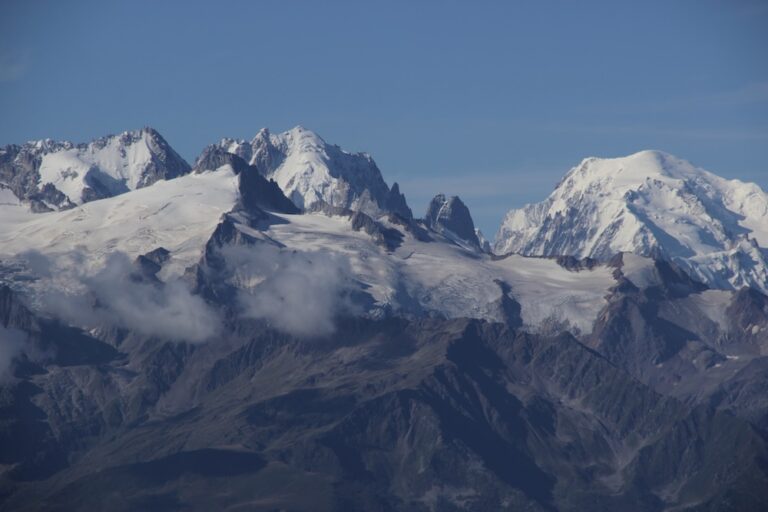
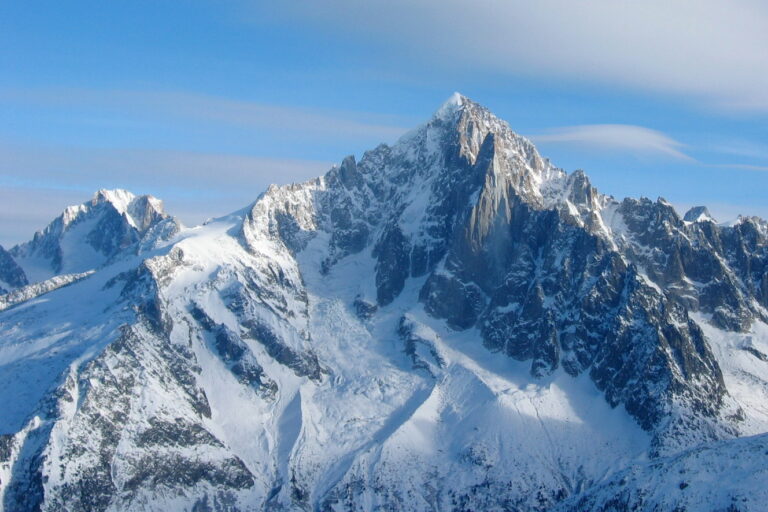
Rising majestically above the Chamonix valley, the Glacier d’Argentière draws hikers, photographers and scientists alike. Its icy tongue, sculpted by the Mont Blanc massif, offers a front‑row seat to one of the most dramatic glacier retreat stories in the French Alps. Whether you’re boarding the cable car at Lognan, trekking the winding hiking trail from the Joran gondola or simply soaking in the panoramic viewpoint of the glacier, the experience feels both timeless and urgent – a reminder that the mountains are always changing.
In the next few minutes we’ll map out the easiest way to get there, break down the ascent stats, highlight the best photo spots, and even peek at the latest glacier research on mass balance and shrinkage. Grab your waterproof boots, a warm jacket, and let’s head up to the icy frontier.
Table of Contents
How to get to Argentière from Chamonix
The journey begins in the bustling mountain village of Chamonix, where regular buses and trains link the town centre to the gateway hamlet of Argentière. The most popular option is the local bus line 82, which departs every 20‑30 minutes during the summer season and drops you off at the Argentière village station in roughly 15 minutes.
If you prefer a faster ride, the regional train from Chamonix‑Mont‑Blanc to Saint‑Gervais‑Le Fayet passes through the stunning gorge of the Chamonix valley. From the Saint‑Gervais stop, a short taxi or a 10‑minute walk brings you to the foot of the cable car. Either way, you’ll find the telecabine de Plan Joran just a stone’s throw from the centre of Argentière, ready to whisk you upward.
Riding the Argentière cable car and Joran gondola
The cable car from Lognan to the Chalet Refuge de Lognan is a smooth 12‑minute ascent. As the gondola climbs past pine‑clad slopes, the valley opens up, revealing the glacier front tucked against the rugged peaks of the Mont Blanc massif. The ride is not just transport; it’s a visual preview of what lies ahead.
From the Lognan station, the Joran gondola – locally known as the telecabine de Plan Joran – takes you to the high‑altitude platform at 2 200 m. Here you can catch your first glimpse of the glacier view, a glittering expanse of ice and rock that seems to stretch forever. The gondola operates from 08:30 to 17:00 during July and August, and the last descent is scheduled 30 minutes before sunset, giving you plenty of daylight for the hike.
Hiking the trail to Glacier d’Argentière
The most rewarding hiking trail to the glacier starts right at the Joran gondola platform. Follow the well‑marked gravel path eastward; trail signs clearly indicate the direction toward the “Le Point de Vue”. The total elevation gain from the gondola stop to the main viewpoint is about 250 m, which most walkers can cover in 45‑60 minutes.
The path alternates between gentle meadow sections and steeper rocky stretches. As you near the glacier’s edge, the trail widens, allowing you to pause and admire the dramatic glacier mass that gleams blue under the alpine sun. The whole round‑trip, including time for photos, typically takes 2‑3 hours depending on fitness and weather.
What to bring on the hike
- Sturdy hiking boots with good ankle support.
- Layered clothing – a breathable base, insulated mid‑layer, and waterproof outer layer.
- Gloves, hat, and UV‑blocking sunglasses.
- Plenty of water (minimum 1.5 L) and high‑energy snacks.
- Map of the area or a fully charged GPS device; offline maps are recommended.
- Small first‑aid kit and a whistle for emergencies.
Glacier d’Argentière stats
| Parameter | Value |
|---|---|
| Highest point of the hiking route | 2 338 m (Le Point de Vue) |
| Average annual temperature at the glacier front | -2 °C |
| Current area (2025) | ≈ 2.8 km² |
| Glacier retreat since 1980 | ≈ 350 m |
| Typical elevation gain from gondola | 250 m |
These figures show a noticeable glacier shrink over the past decades, a trend confirmed by ongoing glacier study programs hosted by local universities. The glacier mass balance is now negative, meaning the ice loss each summer outpaces winter accumulation.
Viewpoints and the Chalet Refuge de Lognan
At the summit of the trail, the point de vue du glacier d argentière offers an unforgettable panorama. From here you can see the glacier’s full length, the bustling white‑blue river of ice flowing down toward the village, and, in the distance, the towering peaks of the Mont Blanc massif. The viewpoint is a favourite spot for sunrise photography; the low light makes the ice glow with an ethereal pink hue.
Just a short walk down the ridge lies the historic Chalet Refuge de Lognan. This mountain hut, originally built in the late 19th century, provides simple refreshments, a warm hearth, and sleeping quarters for hikers who wish to extend their stay. The refuge is also a base for researchers conducting glacier research on mass balance and ice dynamics.
Best photo spots
- Le Point de Vue – perfect for wide‑angle shots of the glacier front.
- Lognan Hut – foreground of traditional chalet against the icy backdrop.
- Joran Gondola Platform – sunrise over the valley, with the cable cars silhouetted.
- Glacier crevasse corridor – close‑up details of ice fractures (requires caution).
Glacier research and the story of retreat
Scientists from the University of Grenoble Alpine Laboratory have been monitoring the Glacier d’Argentière since the 1970s. Their glacier study involves annual mass balance measurements, GPS surveys, and remote‑sensing analysis. The most recent data (2025) indicates a continued glacier loss of roughly 5‑7 % per decade, aligning with trends observed across the French Alps.
One striking finding is the accelerated glacier retreat during warm summers, especially after the heatwave of 2023, which pushed the ice front back by an additional 30 m in a single season. These observations are crucial for local authorities, as they influence water resource management and downstream flood risk assessments.
Practical tips and safety
Even though the route to the glacier is relatively easy, weather in the high Alps can change in minutes. Always check the forecast before departing, and be prepared for sudden fog, rain or even a brief snow shower in early summer. If visibility drops, turn back to the gondola station – the path is well‑marked but can become treacherous on icy sections.
Respect the delicate environment: stay on the marked trail, avoid stepping on fresh snow where it may be thin, and never litter. The area is a protected natural zone, and the glacier front is especially vulnerable to human impact.
Finally, for those interested in a longer adventure, the trail can be linked to the classic Mont Blanc tour via the Chamonix valley tunnel network, adding several days of alpine trekking and exposing you to even more spectacular glacial landscapes.
Frequent Asked Questions
How do I get to Argentiere glacier?
From the top of the cable car station at Lognan, walk southeast on the broad track to the “Y” intersection at a signpost. Here we bear left (southeast) on the wide gravel track toward the Le Point de Vue, our destination, and Refuge d’Argentiere.
Is it better to stay in Chamonix or Argentiere?
Both villages have their charms. Chamonix offers a lively nightlife and more dining options, while Argentière provides immediate access to the glacier trail and a quieter alpine atmosphere. Many hikers spend the night in Argentière to catch an early gondola, then return to Chamonix for après‑ski.
What is the altitude of the Argentiere glacier?
The main viewpoint sits at 2 338 m, while the glacier front itself ranges between 2 150 m and 2 300 m. The hike from the Joran gondola platform to the viewpoint adds roughly 250 m of elevation gain.
Why the Glacier d’Argentière Remains a Must‑See Alpine Experience
From the seamless cable car ascent to the rewarding glacier view, the journey to the Glacier d’Argentière blends adventure, education and breathtaking scenery. The trail’s modest difficulty makes it accessible, while the ongoing glacier research adds a deeper layer of meaning for those who care about climate change. Whether you’re a seasoned mountaineer, a casual photographer, or a curious traveler, the glacier’s icy façade offers a vivid reminder of nature’s power and fragility.