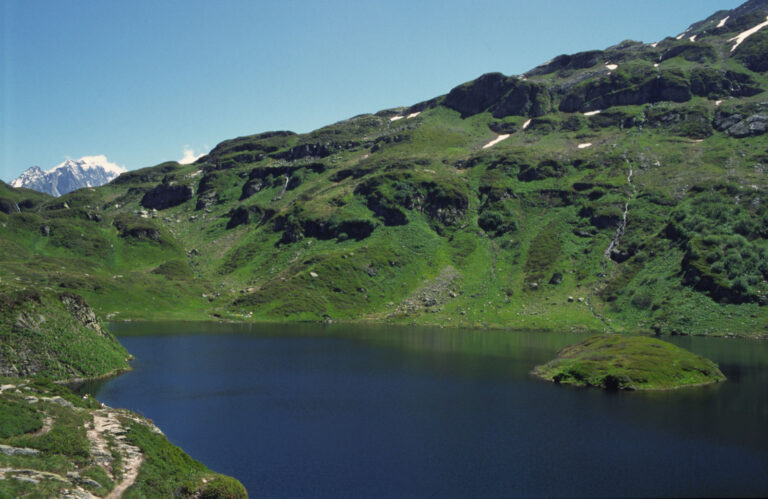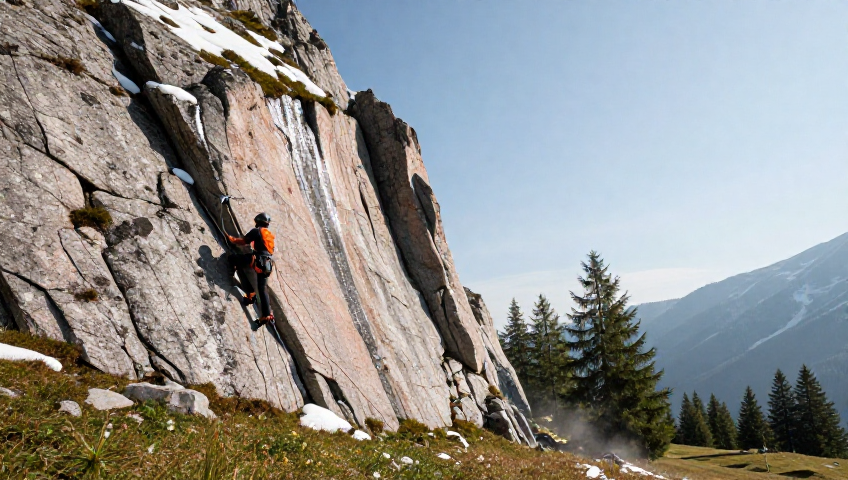
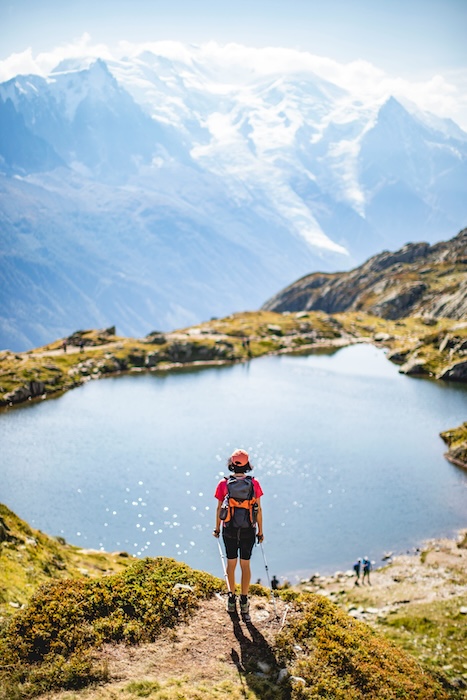
Nestled high above the bustling town of Chamonix, the Lac Blanc shines like a polished marble mirror, reflecting the jagged silhouettes of the Mont Blanc massif. Whether you chase the crisp summer air or the hush of winter snow, this mountain lake offers a dramatic backdrop for every kind of hike. From the gentle sway of the cable car at La Flégère to the steep steps that lead you past the Aiguilles Rouges, the trail is a living collage of waterfalls, alpine meadows, and occasional glimpses of wildlife. In this guide we’ll walk you through every facet of the experience, from how to get there to what to pack, and why this spot remains one of the most beloved corners of the nature reserve that crowns the valley.
From the moment the gondola lifts you above the treeline, the journey to Lac Blanc feels like stepping into a postcard. The air grows thinner, the views widen, and the scent of pine mingles with the ever‑present promise of a clear blue sky—or a sudden change in weather that mountain hikers know all too well. Below we break down the routes, the difficulty, the seasonal quirks, and the practical advice you’ll need to turn a simple day‑out into a memorable alpine adventure.
Table of Contents
How to Reach Lac Blanc – From La Flégère and L’Index Cable Cars
Getting to the lake usually starts with a ride on a cable car or gondola that whisks you from the valley floor up to the brink of the high alpine environment. Two main lift stations serve the trailheads: La Flégère on the northern side of the Aiguilles Rouges and L’Index in the heart of the Chamonix valley.
From La Flégère you board a modern chairlift that climbs 1,200 metres in under ten minutes. Once you step off, the trail begins gently, looping around a series of rocky outcrops before gaining altitude. The route is well‑marked and often favored by families because the initial section is relatively easy, with a few short “steps” that feel like natural stone stairs.
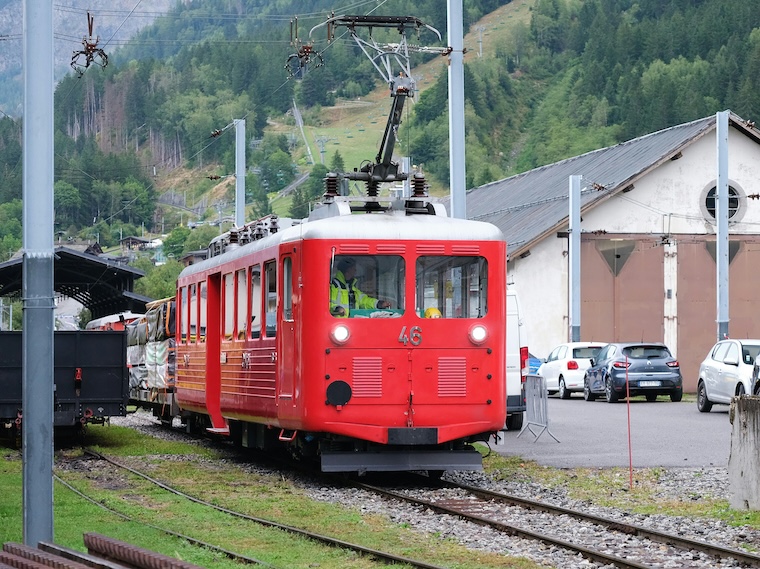
L’Index offers a slightly different vibe. Here you catch a vintage cable car that carries you across a scenic valley, allowing you to admire the sprawling glaciers of the Mont Blanc range as you ascend. The landing point places you at the start of a longer but equally rewarding trail that weaves through alpine meadows and eventually joins the La Flégère route near the lake.
“If you’re early in the season, the La Flégère chairlift can be crowded, but the view from the top is worth the wait,” says a local guide.
Choosing the Best Lift for Your Schedule
- Morning departures from La Flégère reduce the chance of encountering afternoon snow patches.
- Late‑afternoon trips from L’Index give you a quieter ascent, ideal for photography.
- Both lifts operate year‑round, but check the weather forecast for possible closures.
Trail Options and Difficulty Levels
There are several well‑trodden routes to Lac Blanc, each with its own charm and challenge. The most popular path starts at La Flégère and follows a series of switchbacks that climb to the lake over roughly 4 km. This section is often described as a moderate hike with an elevation gain of about 800 m, suitable for hikers with a decent level of fitness.
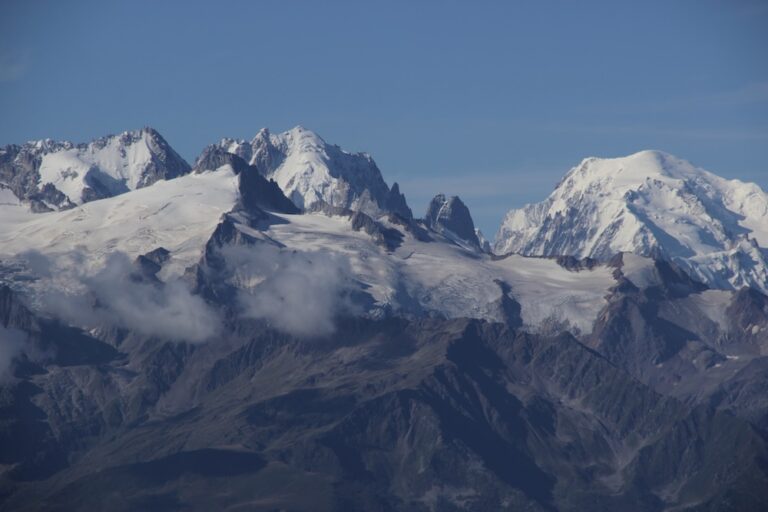
For those craving a longer trek, the “Grand Balcon Sud” extension adds another kilometre of ridge walking, offering panoramic views of the Mont Blanc summit and the glacier‑covered gorges below. This adds a slight increase in difficulty, requiring sure‑footedness and a willingness to navigate occasional rocky scrambles.
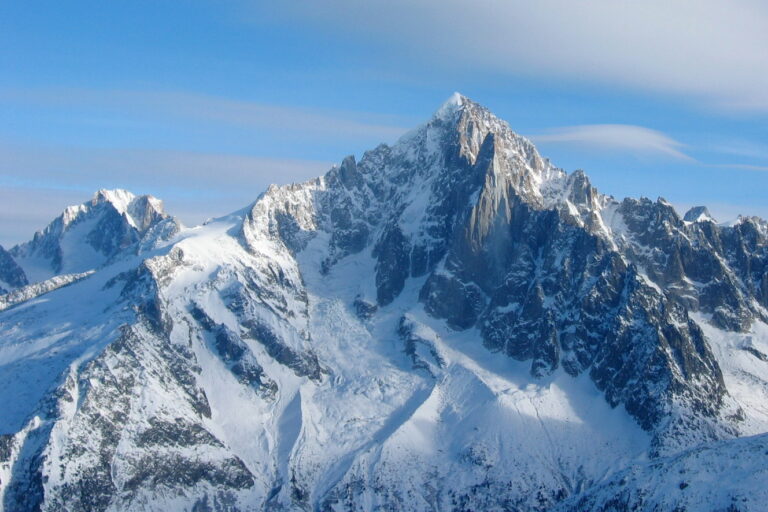
If winter coats have arrived, the same paths transform into a breathtaking snow-covered canvas. However, the mountain terrain can become slippery, and the trail may be partially closed for safety. Always carry crampons or micro‑spikes and check the weather forecast before setting out.
| Route | Distance (round‑trip) | Altitude gain |
|---|---|---|
| La Flégère – Lac Blanc | 8 km | 800 m |
| L’Index – Lac Blanc (via La Flégère) | 10 km | 950 m |
| Grand Balcon Sud extension | 2 km extra | +150 m |
The difficulty rating for the standard route hovers around “moderate” (3/5), while the Grand Balcon Sud pushes it to “hard” (4/5). As a rule of thumb, if you can comfortably walk 12 km per day on flat ground, you’ll manage the lake trek without trouble.
Tips for Managing the Ascent
- Start early to avoid peak crowds and enjoy softer morning light for photography.
- Take short breaks at the alpine huts – the refuge de Vachette and the refuge du Goûter are both within a short detour.
- Keep an eye on altitude effects; hydration and a light snack help fight mild altitude sickness.
What to Pack and Safety Tips
Even though the trail to Lac Blanc is well marked, the alpine environment can surprise you. A well‑thought‑out pack makes the difference between a pleasant outing and a stressful scramble.
- Layered clothing: a breathable base, insulated middle, and waterproof outer shell.
- Sturdy hiking boots with good ankle support – especially important on the rocky sections near the lake.
- Sun protection: sunscreen, hat, and sunglasses. The high altitude amplifies UV exposure.
- Map or GPS device – the hike map is available at the lift stations and includes the location of the waterfalls and gorges.
- Plenty of water and high‑energy snacks – there are no water fountains along the trail.
- Optional: trekking poles for extra stability on uneven ground.
Safety alert: Swimming is strictly prohibited at Lac Blanc and the nearby Lacs des Chéserys. The lake’s water is cold year‑round, and the deeper sections pose drowning risks. Respect the signage and keep dogs on a leash, as wildlife can be startled.
In winter, add crampons, an insulated jacket, and a headlamp if you plan to stay close to sunset. Always let someone know your intended route and expected return time.
Nature, Wildlife and Photography Highlights
Beyond the sparkling lake, the surroundings brim with life. The mountain meadow around Lac Blanc supports a mosaic of alpine flowers in summer—gentians, edelweiss, and a splash of fiery alpine poppies. Birds of prey, such as the golden eagle, often circle above the Aiguilles Rouges, while chamois and ibex can be spotted navigating the rocky outcrops.
Photographers will love the contrast of the deep blue water against the white snowcaps of Mont Blanc. Early morning light adds a golden hue to the surrounding peaks, making it a prime spot for landscape shots. The nearby gorges of the Diosaz river combine rushing water with rugged cliffs—ideal for dramatic waterfall photography.
For those who enjoy capturing wildlife, keep a respectful distance. The alpine fauna is shy, but a patient wait near the refuge may reward you with a glimpse of a marmot or a mountain goat. Remember that feeding wildlife is prohibited in any nature reserve in the area.
Seasonal Conditions – Summer vs Winter
In summer, the trail is mostly free of snow, the alpine meadows are in full bloom, and the temperatures hover between 10 °C and 20 °C at the lake’s altitude of 2,352 m. It’s the most popular time, so expect a few fellow hikers on the path. The water in Lac Blanc remains chilly (around 5 °C), reinforcing the ban on swimming.
During winter, the region transforms into a pristine white landscape. Snow can linger well into May on the higher sections, and the trail may be covered with crusted ice. While some seasoned alpinists enjoy the serene solitude, beginners should consider hiring a local guide.
Spring offers a transitional period: melting snow feeds spectacular waterfalls that cascade down the cliffs, and the wildflowers begin to peek through the thawing grass. However, the weather can be unpredictable—sunshine one moment, sudden rain or fog the next.
Frequent Asked Questions
How long does it take to hike Lac Blanc?
Most hikers complete the round trip in 4 to 5 hours, depending on fitness level, altitude acclimatisation, and how many stops you make for photography or a snack. The ascent itself usually takes 1.5 to 2 hours, with a slightly slower descent.
How do I get to Lac Blanc from Chamonix?
You have three main options: take the free bus from Chamonix town centre to Les Praz (10 minutes), then ride the gondola up to La Flégère; drive and park at the La Flégère base (limited spaces); or start a longer trek from the L’Index lift station. The cable car round‑trip ticket for an adult costs about €20.
Can you swim in Lac Blanc?
No, swimming is prohibited year‑round for safety reasons. The lake is deep, cold, and the surrounding terrain can be slippery.
What is Lac Blanc?
Lac Blanc is a high‑altitude mountain lake situated at 2,352 m, covering roughly 29 ha with a maximum depth of 72 m. Surrounded by fir forest and framed by the Mont Blanc massif, it is a classic example of an alpine lake formed by glacial erosion.
Is the trail suitable for dogs?
Dogs are allowed on the path but must be kept on a leash, especially near the wildlife and in the more crowded summer months. Bring enough water, as there are no refill points along the route.
What are the weather conditions like in winter?
Winter brings heavy snowfall, sub‑zero temperatures, and occasional high winds. The trail can be icy, so you’ll need proper winter gear, including crampons, insulated clothing, and a reliable headlamp if you’re hiking near dusk.
Are there any waterfalls along the route?
Yes, several small waterfalls feed into tributary streams that join the main lake. The most impressive cascade appears after heavy spring rain, tumbling down a rocky ledge near the La Flégère summit.
Do you need a special permit to hike?
No special permit is required for the Lac Blanc trail. However, the area lies within a protected nature reserve, so you must respect signage, stay on marked paths, and avoid littering.
Beyond the Lake – Extending Your Alpine Day
If you find yourself with extra energy after reaching Lac Blanc, consider the “Grand Balcon Sud” extension, which guides you along a scenic ridge offering unobstructed views of the Mont Blanc dome. Alternatively, descend via the Lacs des Chéserys route, which takes you through a contrast of milky‑blue water bodies and a series of secluded gorges. Both options add roughly an hour to your round‑trip timing and provide a deeper immersion in the valley’s natural grandeur.
For a true alpine experience, spend the night at the nearby refuge du Goûter, where you can wake up to sunrise over the lake—an unforgettable moment that’s worth the extra planning.
Whether you’re chasing the crisp sparkle of a summer mountain lake or the hush of snow‑covered peaks, Lac Blanc remains a magnetic destination for anyone who loves the outdoors. The combination of accessible lifts, varied trail options, and awe‑inspiring scenery makes it a staple of any Chamonix itinerary. Remember to respect the local guidelines—especially the swimming ban—and pack wisely for altitude changes. With the right preparation, the journey from La Flégère or L’Index to the lake’s edge will reward you with unforgettable vistas, a surge of alpine air, and the satisfaction of a hike well‑earned.
So lace up your boots, check the forecast, and let the allure of Lac Blanc guide you into the heart of the Alps. The lake’s mirror will reflect not only the surrounding peaks but also the sense of achievement that comes from standing atop one of France’s most iconic high‑altitude destinations.