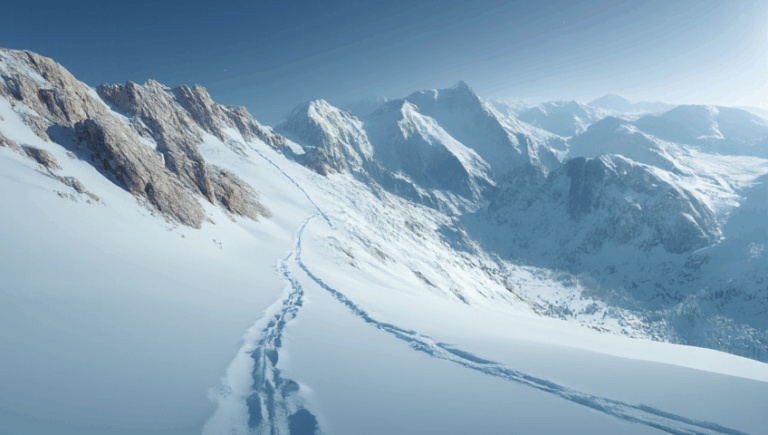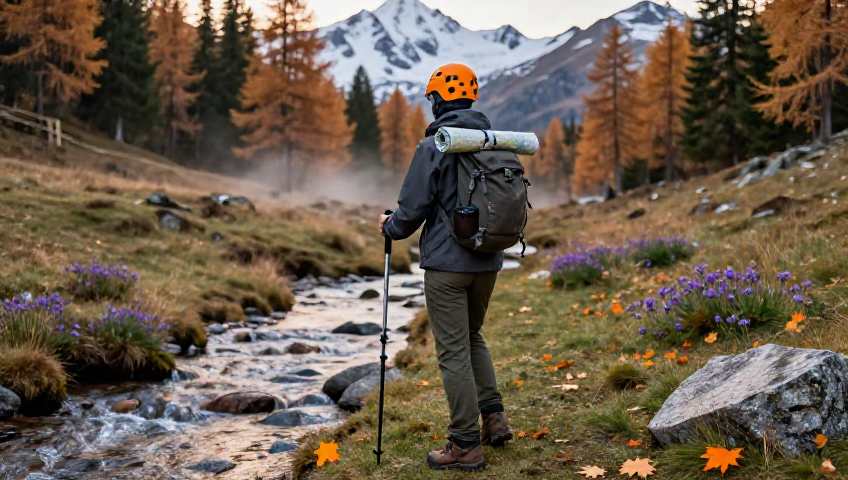
From the sun‑kissed coasts of Sydney to the snow‑capped peaks of the Mont Blanc massif, the desire to swap surfboards for ski goggles is more common than you might think. The journey begins long before you step onto a runway; it starts with the excitement of stitching together a travel plan that feels both ambitious and attainable. Whether you’re chasing the powder of the Vallee de Chamonix, the charm of alpine villages, or simply a break from the heat, Travel Australia to Chamonix is a story of logistics, adventure, and a dash of wanderlust that can be pieced together in a surprisingly smooth way.
In the pages that follow, we’ll walk you through the essential steps – from securing the right visa and picking the perfect flight, to navigating the French transport network, finding authentic lodging, and discovering the best on‑mountain experiences. You’ll also get practical tips on budgeting, gear, and even a few insider anecdotes that only seasoned Alpine travelers know. Ready to trade the outback for the high Alpine? Let’s dive in.
Table of Contents
Getting There: Flights and Entry Requirements
Most Australian travelers start their European leg by flying into a major hub such as Paris‑Charles de Gaulle, Geneva (Switzerland), or Milan. While direct flights from Perth or Melbourne to Paris are rare, airlines like Qantas, Emirates, and Singapore Airlines offer one‑stop connections that keep total travel time under 24 hours. For a smoother transition to the Alps, Geneva is often the preferred gateway because of its proximity (just over an hour’s drive) and frequent shuttle services.
Visas are the next hurdle. Australia is part of the Schengen visa‑free regime for stays up to 90 days, provided your passport is valid for at least three months beyond your intended departure and you have proof of sufficient funds (around € 50 per day). Travelers planning to work, teach, or stay longer will need to apply for a long‑stay visa through the French consulate in Sydney or Melbourne.
- Passport validity: min. 3 months after departure
- Proof of funds: € 50/day (bank statements, credit limit)
- Travel insurance: mandatory for Schengen entry
When booking, consider the arrival time – an early morning touchdown in Geneva means you can catch the 8:00 am TER train to Chamonix without an overnight layover. If you arrive late, the airport shuttles run until midnight, but you’ll need a pre‑booked transfer.
Choosing the Right Airline
Airlines differ not just in price but also in baggage allowances – a crucial factor when you’re packing ski boots, helmets, and warm layers. Below is a quick comparison of the three most popular carriers for the Australia‑Europe route:
| Airline | Free Checked Baggage | In‑flight Service |
|---|---|---|
| Qantas | 2×23 kg | Australian meals, entertainment |
| Emirates | 2×30 kg | Luxury lounge, wide‑screen screens |
| Singapore Airlines | 2×30 kg | Asian cuisine, excellent service |
Remember that the extra weight of ski equipment often counts as a third piece; some airlines treat it as a “sport equipment” surcharge rather than a standard bag, so factor that into your budget.
Crossing Continents: Planning Your Route
Once you’ve secured your flight and visa, the next decision is whether to fly straight to Geneva or to break the journey with a stopover in Europe. Many travelers opt for a short stay in Paris or Milan to soak up a city vibe before heading north. A three‑day city break can also act as a buffer for jet lag, giving you fresh legs for the Alpine climb.
If you prefer a seamless transition, the “Sydney‑Geneva” route is a popular choice. The flight typically consists of a Sydney‑Singapore leg (≈8 h) followed by a Singapore‑Geneva segment (≈12 h). Total travel time, including layovers, ranges from 20 to 24 hours. For those on a tighter schedule, look for “Sydney‑Paris‑Geneva” itineraries that cut down layover time in the Middle East.
Budget‑savvy travelers might consider a multi‑city ticket that includes a night in Zurich or Lyon – both cities lie on the rail corridor to Chamonix and can be reached by a short high‑speed train ride. This “rail‑plus‑air” mix often saves money and reduces carbon footprint.
Sample Itinerary: 10 Days from Sydney to Chamonix
- Day 1‑2: Fly Sydney → Singapore → Geneva (arrive afternoon)
- Day 3: Geneva –> Chamonix by train (1 h 15 min). Settle into accommodation.
- Day 4‑6: Ski on the Grands Montets, explore Mer de Glace via the Montenvers railway.
- Day 7: Day‑trip to Mont‑Blanc via the Aiguille du Midi cable car.
- Day 8‑9: Hike the “Tour du Mont Blanc” sections, enjoy local gastronomy.
- Day 10: Return to Geneva, fly back to Sydney.
This compact plan balances alpine activity with enough rest, and can be stretched or compressed based on personal pace.
Arrival in the French Alps: Transport Options
Geneva’s airport sits at the foot of the Alps, making ground transport the decisive factor for a hassle‑free start. The most popular methods are:
- Train (TER): Direct services from Geneva Cornavin station to Chamonix every hour. Tickets cost € 25‑30 one‑way and can be booked via SNCF.
- Airport Shuttle: Private firms like AlpyBus run 24/7 door‑to‑door transfers; prices range € 60‑80 per person.
- Rental Car: Ideal for groups. The A40 motorway offers spectacular views; however, winter tyres and chains are mandatory from November to March.
- Taxi: Least recommended due to cost – expect € 180‑220 for a one‑way trip.
For those travelling with ski gear, the train is often the most convenient: luggage racks are spacious, and the compartment climate is controlled. If you have a large group or need flexibility, a shared shuttle can be pre‑booked and will drop you at your chalet’s doorstep.
Getting Around Chamonix
Inside the valley, the local bus network (HOP) runs every 15 minutes between the town centre, Aiguille du Midi, and the ski lifts. A single‑day pass (€ 15) gives unlimited rides and is cheaper than multiple single tickets. For hikers, the free “Mont Blanc Tramway” connects the lower village to the Plan Praz area, a great way to access trailheads without a car.
Where to Stay: Hotels, Chalets, and Hostels
Accommodation in Chamonix ranges from luxury five‑star hotels perched above the town to budget hostels tucked in quiet streets. Your choice depends on the type of experience you crave and the size of your party.
Luxury Option – Hôtel Mont‑Blanc
Located on the edge of the town centre, this historic hotel offers spa facilities, a Michelin‑starred restaurant, and ski‑in/ski‑out access. Prices start at € 300 per night during peak season.
Mid‑Range Choice – Chalet Les Aiglons
A family‑run chalet offering self‑catering apartments, a communal fireplace, and a private shuttle to the nearest lift. Nightly rates hover around € 120‑150.
Budget Friendly – Hostel Le Ski‑Dorm
A dormitory-style hostel with shared kitchens and a lively social atmosphere. Ideal for solo travelers; beds cost € 35‑45 per night.
When booking, check the cancellation policy – many properties offer flexible rates up to 48 hours before arrival, which is handy in case of flight delays.
Top Alpine Activities: Skiing, Hiking, and More
Chamonix is a playground for mountain enthusiasts year‑round. Below is a snapshot of the must‑do experiences:
- Skiing & Snowboarding: The Grands Montets area provides a blend of gentle slopes for beginners and challenging off‑piste routes for experts. The cable car (Téléphérique du Brévent) whisks you up to 2 500 m in under 10 minutes.
- Mont Blanc Summit: Take the Aiguille du Midi cable car to 3 842 m for a panoramic view that rivals any postcard. For the adventurous, the “Step‑in‑Step‑out” routes let you rappel down the vertical ice shaft.
- Hiking the Tour du Mont Blanc: A 170 km circuit that can be tackled in sections. The classic “Refuge du Goûter” segment offers alpine huts and spectacular sunrise over the glacier.
- Paragliding: Local schools launch from the Le Bord site, giving you a bird’s‑eye view of the valley.
- Ice Climbing: The frozen waterfalls of the Mer de Glace are ideal for beginners, with certified guides available year‑round.
Don’t overlook the culinary side of the Alps. Après‑ski in Chamonix is a ritual – a glass of vin chaud followed by raclette or fondue, served in cozy mountain inns.
Gear Checklist for the Down‑Under Adventurer
- Water‑proof ski jacket (Gore‑Tex recommended)
- Thermal base layers (merino wool)
- Gloves with removable liners
- Helmet (mandatory on most lifts)
- Travel adapter (type C/F for Europe)
- Compact travel insurance documents
Culinary Delights: Alpine Cuisine and Local Treats
After a day on the slopes, refuelling is essential. Chamonix’s food scene blends French haute cuisine with rustic mountain fare.
Must‑Try Dishes:
- Raclette – melted cheese served over potatoes, pickles, and cured meats.
- Tartiflette – a hearty casserole of potatoes, reblochon cheese, lardons, and onions.
- Fugazza – a Savoyard pizza topped with onions, olives, and rosemary.
- Diots – Savoyard sausages, often grilled and served with polenta.
For sweet cravings, sample the tarte aux myrtilles (blueberry tart) accompanied by a cup of thick, locally roasted coffee. Many cafés also serve a warm slice of pain d’épices, perfect with a drizzle of honey.
Wine lovers will appreciate the nearby Savoie vineyards, which produce crisp white wines like Apremont and robust reds such as Roussette de Savoie. Pairing a glass with a cheese platter completes the Alpine dining experience.
Frequent Asked Questions
What is the best time of year to travel from Australia to Chamonix?
The peak ski season runs from late December to early April, offering reliable snow and a vibrant après‑ski scene. For milder weather and lush hiking trails, consider late June to early September. Keep in mind that July and August are the busiest months for hikers, while early December can provide lower prices before the holiday rush.
Do I need a Schengen visa for a short ski trip?
Australian passport holders can enter the Schengen Area visa‑free for stays up to 90 days. You must, however, have travel insurance covering medical emergencies and a return ticket. If your stay exceeds 90 days or you plan to work, you’ll need to apply for a long‑stay visa at the nearest French consulate.
How much luggage can I bring on the train from Geneva to Chamonix?
French regional trains (TER) allow two pieces of luggage per passenger, each up to 85 cm in length, plus a small hand‑bag. Ski equipment such as boots and poles can be stored in a designated ski‑bag compartment; there is no extra charge, but it’s advisable to label your gear clearly.
Is public transport reliable during heavy snowfall?
Yes, the TER and local bus services operate year‑round, with snow‑clearing crews keeping the tracks and roads clear. However, severe weather can cause occasional delays. It’s wise to check the SNCF website or local service apps the night before your journey.
Can I rent ski equipment in Chamonix if I travel light?
Absolutely. Most ski schools and rental shops in the valley offer full equipment packages – skis, boots, poles, and helmets – for daily or weekly rates. Booking in advance online can secure a discount and guarantee availability, especially during peak season.
Your Alpine Adventure Awaits
Traveling from the sun‑drenched shores of Australia to the icy grandeur of Chamonix might sound like a colossal leap, but with the right planning it becomes a seamless transition from surf to summit. By securing the proper visa, choosing an efficient flight‑to‑train route, and embracing the local transport network, you’ll find the journey as thrilling as the destination itself. Once you set foot in the Vallee de Chamonix, a world of alpine thrills, hearty cuisine, and unforgettable vistas opens up.
Whether you’re carving fresh powder on the Brévent, sipping hot chocolate after a hike to the Montenvers glacier, or simply watching the sun dip behind Mont Blanc from a cozy chalet balcony, the memories you collect will last a lifetime. So pack your bags, check that travel insurance, and let the spirit of adventure guide you from Down Under to the heart of the Alps. Bon voyage!