Planning a trip from Belgium to the legendary Chamonix valley often feels like solving a puzzle with pieces scattered across trains, buses, and airports. Whether you’re chasing powder on the Mont Blanc glacier or strolling through a cosy Alpine village, the first question is always the same: how do I get there most efficiently and affordably? In this guide we break down every realistic option for the Travel Belgium to Chamonix route – from high‑speed rail to low‑cost airlines and the scenic road trip – and we sprinkle in practical advice that only a seasoned traveler would know.
From the moment you book your train tickets or flight tickets to the instant you hear the brakes of the last bus fade away at the Chamonix terminal, you’ll have a clear picture of travel times, average prices and the little shortcuts that make a big difference. Let’s dive in and explore the best ways to turn that journey into the first highlight of your Alpine adventure.
Table of Contents
How to get from Brussels to Chamonix by train
The classic rail route remains the favourite for many because it combines comfort, speed and a cinematic view of the Low Countries turning into the French Alps. A typical itinerary starts at Brussels‑Midi, hops onto an Eurostar to Lille, then switches to a TGV Lyria or a Swiss SBB service that takes you through Geneva before the final leg on a regional TER to Chamonix‑Mont‑Blanc.
Ticket options and price ranges
When you browse for train tickets on platforms like Trainline, you’ll see several travel classes:
- First Class – spacious seats, power outlets and a quiet cabin, usually priced 30‑40% higher than the baseline.
- Second Class – the standard offering, comfortable for most travellers, and often the sweet spot for the cheapest price.
- Eurostar Standard – the basic fare, flexible enough for a day‑trip but with limited refund options.
On average, a one‑way ticket costs between €90 and €150, depending on the month and how far in advance you book in advance. The average journey time sits at 7 h 30 min, but you can shave off an hour by opting for the high speed train connections – the ICE from Cologne to Basel, for instance, runs at 300 km/h and reduces overall time.
High‑speed connections you shouldn’t miss
The fastest service from Brussels to Chamonix typically involves three changes:
| Leg | Operator | Typical duration |
|---|---|---|
| Brussels – Lille | Eurostar | 1 h 15 min |
| Lille – Geneva | TGV Lyria | 3 h 45 min |
| Geneva – Chamonix | TER (regional) | 2 h 30 min |
Notice the departure time of the Eurostar is often early morning, letting you arrive in Geneva before noon. That’s perfect if you want to catch a quick lunch in the lake‑front city before the final climb.
Cheap bus tickets from Brussels to Chamonix
If you’re hunting for the absolute lowest fare, the long‑distance coach can be a surprising ally. Companies like FlixBus and BlaBlaCar Bus run overnight services that leave Brussels late in the evening and arrive in Chamonix early the next morning.
Schedules and expectations
A typical bus schedule looks like this:
- Bus departure – 22:30 from Brussels Nord.
- Bus arrival – 09:45 the following day at Chamonix‑Mont‑Blanc.
The average travel time is around 11 hours, with a few short stops for fuel and snacks. While the ticket price can dip below €30 for the cheapest ticket, the comfort level is basic – think reclinable seats, Wi‑Fi, and a restroom on board.
Why you might still choose the bus
The biggest advantage is flexibility: you can book multiple journey tickets that combine a bus to Geneva with a short train ride to the mountain. This hybrid approach often ends up cheaper than a pure rail ticket, especially during the off‑peak winter months.
Flying to the Alps: Flights from Brussels to Geneva
For those who crave speed above all, the fastest flight from Brussels to the Alpine gateway lands at Geneva Airport in just 1 h 15 min. From there, a 1 h 30 min shuttle or train gets you to Chamonix. Major airlines such as Brussels Airlines, Swiss and easyJet operate daily direct flights, usually departing around 07:00‑09:00.
Finding cheap flight tickets
The flight tickets market fluctuates wildly. A price alert set on Google Flights can notify you when the cheapest fare drops below €50. In general, the cheapest month to fly is late November or early March, when tourist demand dips.
Flight costs vs. total travel cost
While a flight ticket can be as low as €45, you must add the airport transfer to Chamonix, which usually costs €30‑€40 for a shared shuttle. The total price range therefore sits between €80 and €120, comparable to the train but shaving off 4‑5 hours of travel time.
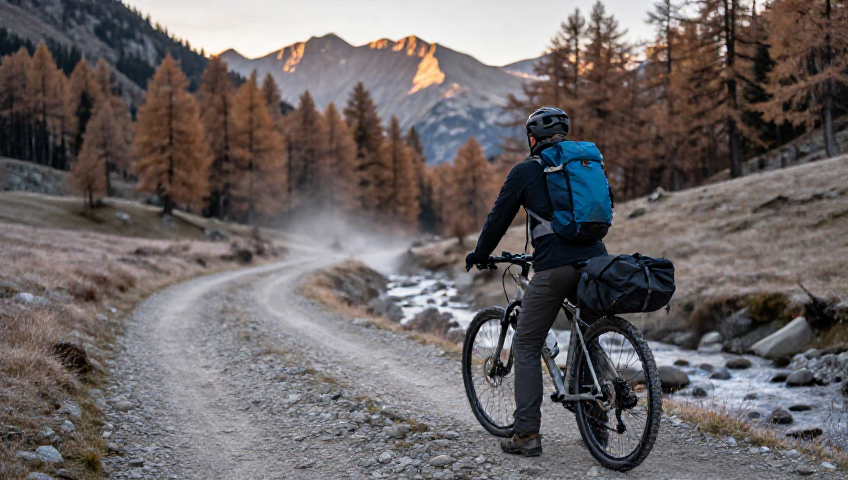
Driving the distance: Car journey from Belgium to Chamonix
Renting a car gives you the freedom to explore the scenic side‑streets that trains miss. The travel distance from Brussels to Chamonix is roughly 750 km, and the average journey time on highways is about 7 h 15 min, not counting stops.
Best route and road conditions
Take the E40 west to the French border, then follow the A31 towards Dijon, and finally the A40 which becomes the Mont Blanc tunnel road. The tunnel itself has a 10‑€ fee and occasional closures for maintenance, so check live traffic before you set off.
Cost considerations
Fuel for the round‑trip will cost around €120‑€150 depending on the car’s consumption. Add the rental cost (€30‑€50 per day) and you’re looking at a price range of €200‑€250, which can be offset if you’re travelling with a group and split the expenses.
Practical travel tips and planning tools
Regardless of the mode you choose, a few universal hacks can save you both time and money.
- Early booking often secures the cheapest fare for both trains and flights – aim for at least 30 days ahead.
- Use a journey planner like Rome2rio or the official SNCF app to compare train schedule and bus schedule in real time.
- Consider a rail pass if you plan extra trips within France or Switzerland – the Eurail France‑Switzerland pass can be cheaper than buying separate tickets.
- When travelling by train, a city ticket for Brussels (e.g., a MIVB 10‑trip card) can reduce urban transport costs to the station.
- Watch for price changes on Friday evenings – many carriers release flash sales that can drop the ticket price by up to 20%.
Finally, remember to check the departure time and arrival time of each leg. A missed connection can turn a seamless travel time of 7 hours into a dreaded 12‑hour ordeal.
Frequent Asked Questions
How do I get from Belgium to France?
There are three main options: a high‑speed train from Brussels to Paris (about 1 h 30 min), a direct flight to Paris‑Charles de Gaulle, or a long‑distance bus. For Chamonix, the most common onward route is via Geneva, using either a train or a shuttle from the airport.
What is the best city to fly into to get to Chamonix?
Geneva International Airport is the closest major hub, roughly 1.5 hours by car or shuttle from Chamonix. Lausanne and Lyon also offer connections, but they usually involve a longer transfer.
Which transport offers the cheapest overall cost?
Generally, the coach‑train hybrid (bus to Geneva + TER to Chamonix) provides the lowest total expense, especially if you book during the off‑season and use a price alert to capture flash sales.
Can I travel with a rail pass?
Yes, the Eurail France‑Switzerland pass covers Brussels‑Lille‑Paris‑Geneva and the regional TER to Chamonix. It’s worth it if you plan additional trips in the region, such as visits to Zermatt or Annecy.
Is there a night train option?
Currently, there is no direct night train from Brussels to Chamonix. However, you can take an overnight sleeper to Zurich and then a morning train to Geneva, followed by a short regional connection.
How far in advance should I book to get the best price?
For trains, booking 6‑8 weeks ahead usually secures the cheapest ticket. Flights tend to show the best deals 30‑45 days before departure, while bus tickets can drop close to the travel date, especially on weekdays.
What are the baggage allowances for trains vs. flights?
European high‑speed trains typically allow two pieces of luggage (up to 85 cm total dimensions) plus one small personal item at no extra cost. Low‑cost airlines often charge for checked bags, so factor that into the total cost if you’re flying.
Ready to start your Alpine adventure?
Whether you decide on a sleek high speed train, a budget‑friendly bus ticket, or a rapid flight, the journey from Belgium to Chamonix can be as enjoyable as the destination itself. By planning ahead, keeping an eye on price alerts and using the right travel tools, you’ll arrive in the valley ready to ski, hike, or simply breathe the crisp mountain air.
Now that you have the facts, the next step is yours – book that ticket, pack those boots, and set off for the spectacular peaks of Chamonix. The Alps are waiting, and the adventure begins the moment you step onto the train, board the plane, or turn the car key.