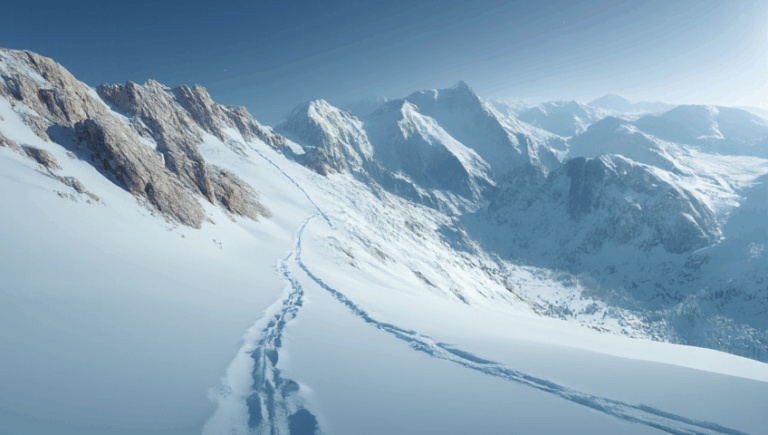
Planning a mountain escape from the heart of Europe often means weighing a tangle of flights, trains, buses and road trips. When the goal is the iconic Chamonix valley, the question Travel Germany to Chamonix becomes a puzzle of distance, price and timing. From the bustling streets of Munich to the alpine charm of Les Houches, the journey can be as memorable as the destination itself. In this guide we walk through every realistic option – whether you prefer to fly to Geneva, hop on a high‑speed ICE, catch a scenic bus from Frankfurt or drive the winding roads yourself – and we break down the average duration, ticket price and the overall travel experience. By the end you’ll be able to choose the route that matches your budget, your schedule and your appetite for adventure.
Table of Contents
How to get from Germany to Chamonix
The most straightforward way to answer “how to get from Germany to Chamonix” is to look at the four main transport modes: air, rail, bus and car. Each has its own set of advantages, and the best choice often depends on where you start – Berlin, Munich, Frankfurt or any of the smaller towns dotted across the country. Below is a quick snapshot of the options:
- Fly to Geneva and then transfer by bus or train
- Take a high‑speed train (ICE, DB IC, EuroCity) from Munich or Frankfurt
- Catch a long‑distance bus (FlixBus, BlaBlaCar Bus) from major German cities
- Drive the road distance of roughly 750 km from Munich, or opt for a car‑train combo
When you line up the average cost and average duration, the picture becomes clearer. A cheap flight to Geneva can be as low as €50 if booked early, but you’ll need a bus transfer or a train transfer from the airport, adding another hour and a half. Meanwhile, the cheapest way overall is often the bus, especially if you can snag a cheap bus ticket on FlixBus. The fastest way, on the other hand, tends to be the combination of a flight from Munich to Geneva followed by a bus from Geneva to Chamonix – total travel time around 4 hours.
By air: fly to Geneva and onward
Geneva International Airport (GVA) is the closest major hub to Chamonix, sitting just 85 km away. Several German cities – Munich, Frankfurt and Berlin – operate direct flight to Geneva services via Swiss Airlines, Lufthansa and low‑cost carriers. The flight schedule is dense in the winter months, catering to ski‑season traffic.
Upon landing, you have three main airport transfer choices:
- Shuttle bus – the most popular. Companies such as AlpyBus and Swiss Tours run every 30 minutes, with a journey time of 75 minutes and a ticket price of €25‑€35.
- Train – take the Léman Express to Annemasse (France) and then a TER to Saint‑Gervais‑les‑Bains; total travel time about 1 hour 45 minutes.
- Car rental – many travellers pick up a vehicle at the airport station. Parking in Chamonix is limited but well‑signposted; most hotels, like the MGM Hôtels, offer reserved spots.
While a flight from Munich can be as quick as 1 hour 15 minutes, keep in mind the additional 30‑45 minutes needed for security and boarding. If you’re watching the ticket price, a cheap flight typically costs between €60 and €120, depending on how far ahead you book.
By rail: from Munich, Frankfurt and Berlin
Germany’s rail network is a model of efficiency, and the train from Munich to Chamonix is a scenic classic. The journey involves two main legs:
- Munich → Zurich on a high‑speed ICE or a EuroCity (approx. 4 hours, €80‑€130)
- Zurich → Chamonix via the TGV Lyria or a regional SBB service, changing at Martigny (approx. 3 hours, €45‑€75)
The total travel time sits at around 7 hours, but you’re treated to alpine vistas that justify the extra minutes. For those departing from Frankfurt, the route is similar: Frankfurt → Stuttgart → Zurich, then on to Chamonix. The train schedule is well‑coordinated, with the Deutsche Bahn offering a handy travel planner that shows step‑by‑step directions.
If you start from Berlin, the train from Berlin to Chamonix involves a longer leg to Cologne or Frankfurt before joining the southern corridor. The average duration for the Berlin‑Chamonix trip is about 9 hours 45 minutes, with ticket prices ranging from €120 to €310 depending on class and advance purchase.
For budget‑conscious travellers, the cheap train option is to book the “Sparpreis” tickets on Deutsche Bahn, often available at €30‑€50 if you’re flexible with dates. The train operator on the final leg is typically SBB, the Swiss Federal Railways, known for punctuality.
By bus: an affordable alternative
Long‑distance buses have surged in popularity thanks to platforms such as Rome2Rio, Omio and Trip.com. The bus from Munich to Chamonix usually runs via Geneva, with a total travel time of 8‑9 hours. Companies like FlixBus and BlaBlaCar Bus provide daily departures, and the bus schedule is especially dense in the ski season.
Key features of the bus from Munich:
- Ticket price: €40‑€70, making it the cheapest way for many travellers.
- Bus stop in Chamonix is located near the town centre, within walking distance of the Chamonix attractions such as the Aiguille du Midi and Bossons Glacier.
- Free Wi‑Fi and power outlets on most modern coaches.
Similar services run from Frankfurt and Berlin. The bus from Frankfurt can be a direct 9‑hour ride, while the bus from Berlin typically adds a couple of hours due to the longer distance. All routes share a common advantage: you can purchase tickets online via the operators’ booking engine, often with a discount for early birds.
By car or car‑train combo
If you love the freedom of the open road, driving from Munich to Chamonix is a rewarding experience. The driving distance is roughly 750 km and takes about 8 hours without major traffic. The route follows the A8 towards Salzburg, then the A10 Alpine Rhine Valley, before cutting through the Mont Blanc Tunnel (toll €50‑€60) and descending into the French Alps.
For those who prefer to avoid the tunnel fees or the hassle of mountain driving, a car‑train option exists: board the EuroCity or ICE to Zurich, leave the train at Martigny and pick up a rental car for the final 80 km to Chamonix. This hybrid approach cuts the road distance you have to handle and often results in lower fuel costs.
Parking in Chamonix can be tricky during peak season. Most hotels, like the Apartment Chinook or Chalet Oryx, include a parking in Chamonix slot for guests. Otherwise, municipal parking lots near the train station charge €2 per hour.
Comparing cost, speed and comfort
| Mode | Average Duration | Average Price | Pros | Cons |
|---|---|---|---|---|
| Flight + bus | 4‑5 h | €80‑€150 | Fastest, scenic bus ride | Airport transfers required |
| High‑speed train | 7‑8 h | €90‑€200 | Comfortable, city‑centre arrivals | Longer travel time |
| Long‑distance bus | 8‑9 h | €40‑€70 | Cheapest, frequent departures | Long journey, fewer amenities |
| Car (direct) | 8‑9 h | €120‑€180 (fuel + toll) | Flexibility, door‑to‑door | Mountain traffic, parking scarcity |
When you weigh the fastest way against the cheapest way, the decision often hinges on personal priorities. If you’re a frequent traveler who values time, the flight‑bus combo wins. If you’re on a shoestring budget, the bus from Munich or Frankfurt is unbeatable.
Practical tips for a smooth journey
Below are some nuggets of advice you’ll rarely find in generic guides:
- Book early: The train ticket and bus ticket prices rise sharply after the first two weeks of November.
- Use a travel planner like Omio or Rome2Rio to compare journey times and ticket prices across all modes.
- Check the bus schedule for the last departure from Geneva; many services stop running after 19:00 in winter.
- Carry a Eurail pass if you plan multiple train legs – it can save up to 30% on train tickets.
- Reserve parking at your accommodation well in advance; the best spots fill up by early December.
- Consider a car‑train combo if you want the drive but wish to avoid the Mont Blanc Tunnel toll.
Once you’re in Chamonix, the Stunning Views from the Aiguille du Midi, the icy drama of the Bossons Glacier, and the relaxed vibe of Les Houches are waiting. Whether you stay at a boutique property like Chalet Oryx or a larger chain such as MGM Hôtels, the journey you chose will become part of the story you tell over a hot chocolate in a mountain café.
Frequent Asked Questions
What is the best city to fly into to get to Chamonix?
Geneva International Airport is the closest major hub, roughly 1.5 hours by road. From there you can catch a shuttle bus, a regional train, or rent a car. If you prefer not to drive, the bus from Geneva to Chamonix is the most efficient link, taking about 75 minutes.
Can you take a train from Germany to France without changing?
Direct services exist between major German cities and French border stations, but you usually need to change at Basel, Zurich or Strasbourg. For example, a Munich‑Zurich‑Martigny route requires one change and takes about 7 hours total.
Which option is the cheapest way to travel from Munich to Chamonix?
Most travellers find the bus from Munich with FlixBus or BlaBlaCar Bus the most affordable, with prices between €40 and €70. Booking a few weeks in advance often secures the lowest bus ticket price.
How long does the flight‑bus combination take?
A direct flight from Munich to Geneva is about 1 hour 15 minutes. Add roughly 30 minutes for airport procedures and a 75‑minute bus from Geneva to Chamonix. In total, you’re looking at around 4 hours from city‑centre to village‑centre.
Is it worth renting a car for the Munich‑Chamonix leg?
If you value flexibility, especially for exploring nearby valleys like Les Houches or the Bossons Glacier, a rental gives you door‑to‑door convenience. However, factor in fuel, tolls (Mont Blanc Tunnel) and limited parking in Chamonix. For a single‑trip purpose, the bus or train often provides a better cost‑to‑time ratio.
What are the typical ticket prices for the high‑speed trains?
ICE or EuroCity tickets from Munich to Zurich start around €80 for second class if booked early, rising to €130 closer to departure. The onward Swiss leg (Zurich‑Martigny‑Chamonix) adds another €45‑€75. Overall, expect €120‑€200 for the full rail journey.
Do I need to book the Mont Blanc Tunnel in advance?
No, the tunnel operates on a first‑come, first‑served basis. The toll is collected on the spot, either in cash or by card, and ranges from €50 to €60 depending on vehicle type.
Alpine horizons await
Whether you choose a sleek flight, a scenic train, a budget‑friendly bus or the open road, the route from Germany to Chamonix offers a tapestry of experiences. By mapping out the travel options, checking the train schedule or bus schedule, and aligning your budget with your appetite for adventure, you’re set for a smooth transition from German efficiency to Alpine serenity. The peaks of the Aiguille du Midi, the pristine ice of the Bossons Glacier, and the lively streets of Chamonix town beckon – and your journey is the first chapter of that unforgettable story.