If you’ve ever wondered how to swap the Mediterranean vibe of Spain for the Alpine air of Chamonix, you’re not alone. Millions of travellers each year weigh the travel options that connect bustling Barcelona with the iconic Mont‑Blanc skyline. From the moment you step onto a bus from Barcelona to the instant you hear the click of a ski‑lift cable, the journey is as much a part of the adventure as the destination itself. Below you’ll find everything a first‑timer needs – the cheapest price routes, the fastest journey, live travel tools and expert advice – all wrapped up in a single, easy‑to‑follow guide.
Traveling from Spain to Chamonix isn’t just a change of scenery; it’s a shift in rhythm. The city‑state of Barcelona hums with Gaudí‑inspired architecture and tapas bars, while Chamonix whispers of glacier‑cut valleys and daring mountain passes. When you plan your route, you’ll quickly discover a mosaic of choices: a direct flight from Barcelona that lands you in Geneva in under two hours, a scenic night‑train that rolls through the Pyrenees, or a budget‑friendly bus from Barcelona that stops at iconic towns along the way. Each option comes with its own travel time, price comparison and booking quirks – and that’s exactly why we’ve gathered the travel information you need, straight from the desks of seasoned travel experts.
Table of Contents
Travel options from Barcelona to Chamonix‑Mont‑Blanc
When it comes to making the jump from the Spanish coast to the French Alps, three main transport modes dominate the market: train, bus and flight. Let’s break them down.
Train from Barcelona to Chamonix
The high‑speed rail network linking Spain to France is a game‑changer for the travel distance between Barcelona and Chamonix. You can catch an AVE from Sants Station to Figueres, then switch to a TGV that whisks you past the Pyrenees into Montpellier, Lyon and finally onto the local TER that arrives in Saint‑Gervais‑les‑Bains, the gateway to Chamonix. The average journey clocks in at around 11‑12 hours, but the scenery is priceless – rolling vineyards, mountain passes and the occasional glimpse of the Mediterranean coastline as you depart.
- Average price: €70‑€115 depending on how early you book.
- Travel frequency: 3‑4 departures per day on the AVE‑TGV connection.
- Mobile tickets are available via the RENFE and SNCF apps.
Bus from Barcelona to Chamonix
For the budget‑conscious traveler, the bus options are hard to beat. Companies such as FlixBus and Eurolines run overnight services that leave Barcelona after dusk and arrive in Chamonix the next morning. While the average journey stretches to 14‑15 hours, you save a tidy sum on ticket price and can enjoy the occasional stop in iconic towns like Zaragoza or Perpignan – perfect for a quick stretch or a bite of local cuisine.
- Cheapest price: €35‑€55 for a direct night‑bus.
- Travel updates are sent in real‑time via the FlixBus app.
- Seats are usually reclinable, with free Wi‑Fi on most services.
Flight from Barcelona to Chamonix (via Geneva)
There isn’t a direct commercial flight from Barcelona to Chamonix, but the nearest major airport is Geneva. A 1h45m flight gets you to Geneva International Airport, after which a 2‑hour shuttle or train ride completes the leg to Chamonix. This combo is the fastest option if you factor in total travel time, especially when you catch an early morning flight.
- Direct flight to Geneva: €95‑€180.
- Shuttle price from Geneva to Chamonix: €25‑€30.
- Live travel boards at Barcelona El Prat make checking flight price a breeze.
Cheapest way to travel Spain to Chamonix
Finding the cheapest price for a cross‑border journey often means juggling a few variables: booking timing, travel day, and the type of ticket you choose. Here’s where we’ve seen the most savings.
Early‑bird train tickets
RENFA’s “Promo” tickets drop as low as €45 when you book three months in advance. The catch? You must travel on a fixed schedule and keep your reservation fee non‑refundable. For a family of four, that can translate into a price comparison saving of over €200 compared to last‑minute purchases.
Night‑bus bargains
The bus from Barcelona to Chamonix enjoys a “Super Saver” tier that appears on Fridays and Saturdays – perfect for weekend getaways. These tickets often come with a booking discount of 15% when you use the company’s own booking app. Add a free seat upgrade (the “comfort” class) and you’ve got a win‑win.
Combo deals (flight + shuttle)
Some travel agencies bundle a flight from Barcelona with a Geneva‑Chamonix transfer, offering a reduced ticket price. While the overall cost is higher than a bus, it can still undercut the most expensive train options, especially if you snag a flash sale.
Fastest journey from Barcelona to Chamonix
If time is of the essence, you’ll want to optimise for the fastest journey. Usually that means a combination of air and ground transport.
Direct flight to Geneva + private shuttle
A morning flight landing at Geneva by 09:00, followed by a pre‑booked private shuttle, can get you into Chamonix by 11:30. The average journey time sits at roughly 3‑4 hours, including check‑in and security. This is the fastest option overall, and the travel app of your choice will give you live gate information and real‑time traffic alerts.
High‑speed train (Barcelona → Lyon → Geneva) + Lyria
If you prefer rails, catch the AVE to Lyon and transfer to a Lyria TGV heading to Geneva. The total travel time is about 8 hours, but you avoid airport queues. The fastest journey by train often includes a complementary night‑coach seat, cutting down on accommodation costs.
Other routes and tips for a smooth adventure
Beyond the main corridors, there are alternative paths that can add a dash of spontaneity to your itinerary.
Car rental: drive the scenic way
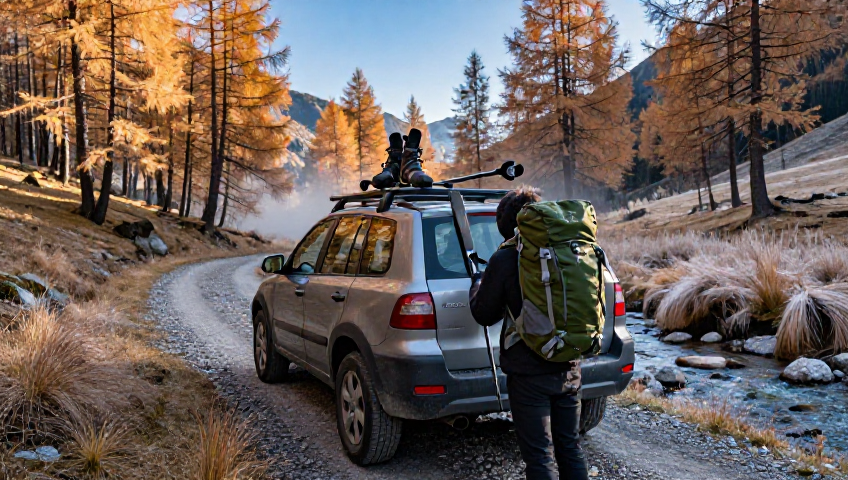
Renting a car in Barcelona gives you total freedom to explore the Pyrenees en route. The travel distance is roughly 1,050 km, and you’ll encounter tolls, mountain passes and occasional winter road closures. Factoring in fuel, the average price for a round‑trip can be around €250‑€300, but you gain the ability to stop at hidden gems like Andorra‑la‑Vella or the Vall de Núria.
Multi‑city train‑bus combo
Start with a high‑speed train to Montpellier, hop on a regional bus to Avignon, then a scenic train to Mont‑d’Or. While this adds complexity, it reduces the ticket price and offers a richer tapestry of French regions to photograph.
Use the Omio travel app
The Omio app consolidates all schedules, price comparison tables, and mobile tickets for train, bus and flight. Its live travel alerts let you re‑book on the fly, a lifesaver if a snowstorm disrupts Alpine routes. You can even set a travel budget alert that notifies you when a fare drops beneath your target.
The Omio app makes travel planning easy
When I first tried to coordinate a trip from Barcelona to Chamonix, I juggled three tabs – a train website, a bus portal and a low‑cost airline page. It was a mess. Then I discovered Omio. With a few taps, I compared the average price of a night‑bus (€38) against a train (€92) and a flight plus shuttle combo (€165). The app highlighted a “cheapest journey” badge for the bus, a “fastest journey” badge for the flight, and a “best value” badge for a hybrid train‑bus option. All tickets were stored as mobile tickets, and live updates kept me informed about platform changes at Barcelona Sants.
Features include:
- Real‑time live travel status for all modes.
- Instant price comparison across dozens of providers.
- Integrated booking app with secure payment and optional travel insurance.
- Ability to set travel alerts for price drops or schedule changes.
Frequent Asked Questions
Is there a high speed train from Spain to France?
Yes. The high‑speed AVE network connects Barcelona to major French cities such as Lyon, Marseille and Paris. From Lyon, you can hop onto a TGV that speeds you toward Geneva, and finally a regional TER into Saint‑Gervais‑les‑Bains, the last stop before Chamonix. This rail corridor is widely regarded as the fastest and most scenic way to cross the border, especially during spring when the Pyrenees are blooming.
What is the best month to visit Chamonix?
The optimal time depends on your activity. For hiking and wildflower‑filled meadows, aim for late June to early September, with July offering the perfect blend of warmth and sunshine. If you seek lower accommodation prices and fewer crowds, consider the shoulder months of April, May, or October. Ski lovers will, of course, head there between December and February when the slopes are powder‑perfect.
Can I travel directly from Barcelona to Chamonix without changing vehicles?
There is currently no direct train or bus that runs nonstop between the two cities. The quickest “direct” solution is a flight to Geneva followed by a shuttle or train. For those who prefer a single ticket, the most seamless option is the night‑bus that requires only one change at Lyon or Grenoble, but a short transfer is still part of the itinerary.
How much does a typical train ticket cost between Barcelona and Chamonix?
Standard adult fares range from €90 to €130, depending on the time of booking and class. Early‑bird “Promo” tickets can drop below €70, while flexible tickets (allowing changes) can exceed €150. Discounted youth and senior fares are also available on most routes.
Are there any travel discounts for students or senior citizens?
Yes. Many rail operators, including RENFE and SNCF, offer a 30% discount for students holding a valid ISIC card, and a 20% discount for seniors over 65. Bus companies often provide similar reductions when you use a student email address during booking. Always check the “discount” field in the Omio app to see what applies to your profile.
Wrapping up your alpine adventure
Whether you chase the fastest journey with a morning flight, hunt the cheapest price on a night‑bus, or opt for a scenic train ride that doubles as a photographic tour, the route from Spain to Chamonix offers something for every traveller. Armed with live updates, mobile tickets and a clear picture of average journey times, you can tailor your itinerary to fit your budget, schedule and sense of adventure. Remember, the Alpine corridors are as dynamic as the weather – a flexible mindset and the right app will keep you one step ahead.
So pack your boots, charge your phone, and set your travel alarm. Chamonix’s snow‑capped peaks are waiting, and with the right plan, the journey from Barcelona will be an unforgettable part of the story.