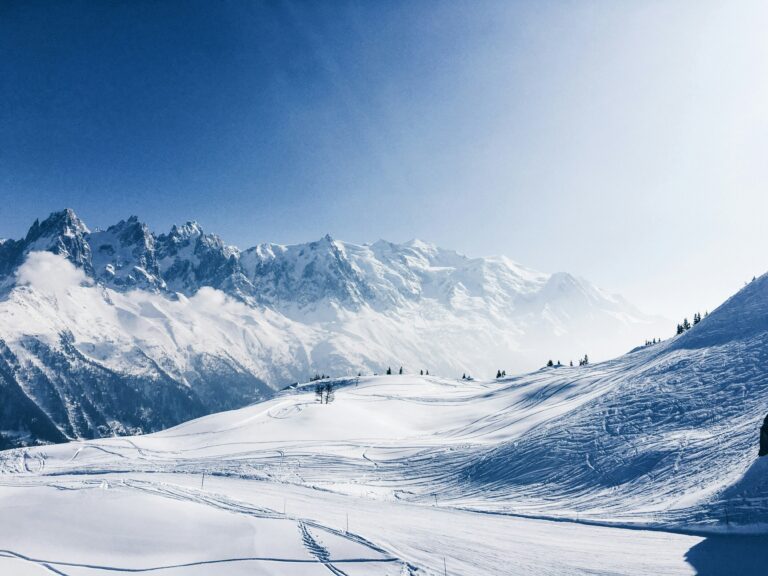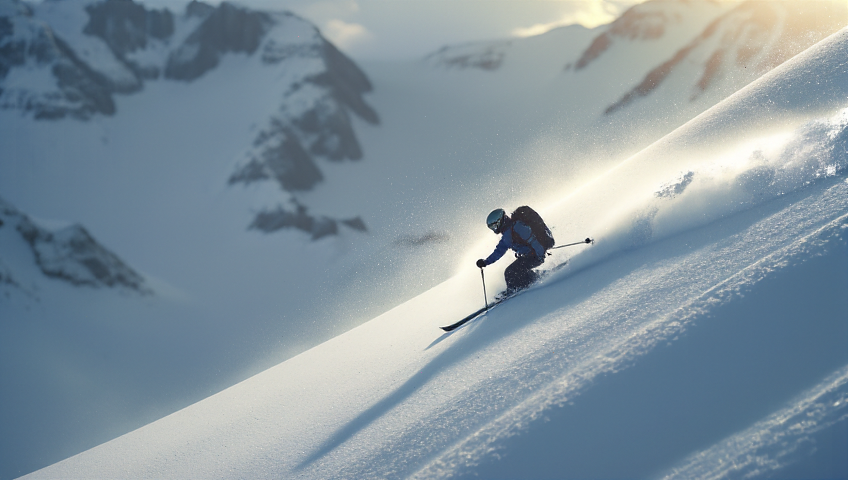
Dreaming of a ski holiday where the ski terrain ranges from easy green slopes to steep black descents? Chamonix, nestled in the heart of the French Alps, offers a remarkable blend of mountain scenery, glacier runs and a legendary skiing culture. Whether you are a beginner seeking your first turn or an advanced rider hunting backcountry challenges, understanding the Chamonix ski difficulty spectrum is the first step to a safe, unforgettable adventure.
From the bustling town centre to the high‑altitude valley of Chamonix, the resort’s network of lifts, gondolas and cable cars links dozens of pistes, each marked with a clear color code. Below, we break down the terrain, highlight the most notable features of the resort, and give practical advice on lifts, passes and local services so you can plan the perfect ski trip.
Table of Contents
What is the ski difficulty in Chamonix?
Chamonix’s difficulty matrix is as diverse as its landscape. The resort categorises slopes into the familiar four‑colour system: green (easy), blue (intermediate), red (advanced) and black (expert). In addition, several off‑piste sectors are labelled freeride or backcountry, demanding avalanche awareness and a guide.
The chamonix ski difficulty overall leans toward the higher end of the scale because the surrounding peaks are steep and the snow conditions can change rapidly. Yet, each colour zone is thoughtfully equipped with lift access, marked signage and groomed runs, ensuring that even a beginner can find a safe foothold.
Is Chamonix suitable for beginners?
Absolutely—provided you stick to the designated beginner zones. The ski areas around Le Tour and Les Houches host gentle green slopes that are wide, well‑maintained and situated at a modest altitude, making them ideal for first‑time skiers.
These zones are suitable for families and ski schools. The town of Chamonix offers an array of expert instructors, and most hotels provide equipment rental and lessons at the base of the lifts. If you’re uneasy about the altitude, the midelevated Vallorcine sector provides a quieter, less crowded environment.
What are the best areas for intermediate skiers?
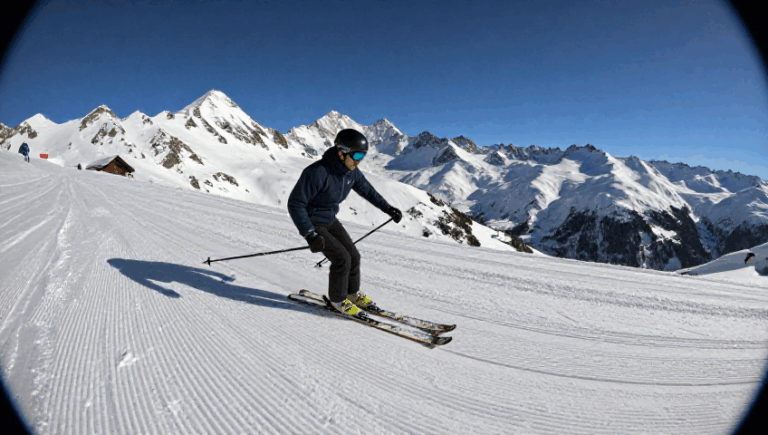
Intermediate riders (those comfortable on blue and some red runs) will feel right at home on the Grands Montets and Le Brevent circuits. Both regions combine long, flowing descents with occasional steeper sections that test technique without being overwhelming.
Key highlights for the intermediate skiers include:
- Grand Montets: Long blue runs like Vert de Lans and gentle red options such as Les Cretes.
- Le Brevent: Panoramic views of Mont Blanc, wide blue slopes, and a good mix of terrain parks for those who like a little freestyle touch.
- La Flégère: A series of connected blue runs that descend into the Altiport, perfect for a day‑long cruise.
What are the notable features of Chamonix ski resort?
Chamonix isn’t just a collection of pistes—it’s a living alpine museum. Some notable features include:
| Feature | Description |
|---|---|
| Mont Blanc views | The highest peak in Western Europe dominates the horizon, offering unrivalled views of Mont Blanc from almost every lift. |
| High‑speed lifts | Modern cable cars, gondolas and drag lifts minimize wait times, especially on the Midi and Aiguille du Midi routes. |
| Backcountry access | The famous Vallée Blanche offer expert‑only itineraries with breathtaking crevasse fields. |
Beyond the slopes, Chamonix’s town centre buzzes with alpine cafés, boutique shops and a vibrant apres‑ski scene that ranges from cosy wine bars to high‑energy nightclubs.
How challenging are the black runs in Chamonix?
Black runs here are truly challenging. The steepness, the variable snow conditions and the often exposed vertical drop make these pistes a true test of skill.
Examples include:
- La Panoramic (Grands Montets): A steep, icy corridor that demands precision edging.
- Les Gaillands (Le Brévent): A narrow, mogul‑filled descent with occasional off‑piste sections.
- Cosmiques (Aiguille du Midi): A high‑altitude, mixed terrain run that can switch from powder to hardpack within minutes.
If you’re not comfortable with rapid terrain changes, it’s wise to hire a local guide or stick to the marked reds.
What is the terrain like for advanced skiers?
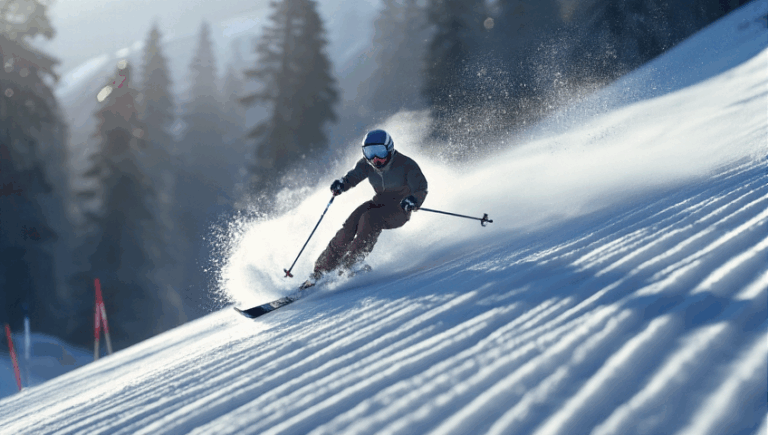
Advanced skiers will love the terrain diversity. Apart from the classic steep blacks, the area offers:
- Steep couloirs in the Grand Montets sector, such as Couloir de Breguet, demanding high technical skill.
- Off‑piste bowls around Chamonix Valley, where fresh powder can accumulate after a night of snowfall.
- Glacier runs on the Mont Blanc side, providing long, exhilarating descents at altitude.
Many advanced riders join the local ski club for weekly guided trips, which often include avalanche safety briefings and equipment checks.
What ski passes are available in Chamonix?
Chamonix offers several ski pass options, each tailored to different needs:
- Chamonix Le Pass: Unlimited access to all lifts in the main zones (Grand Montets, Brévent, Flégère, Les Houches).
- Mont Blanc Unlimited: Combines lifts across the entire Chamonix-Mont-Blanc area, ideal for explorers who plan to hop between valleys.
- One‑Day Pass: Perfect for a quick adventure, valid on any single day.
Passes can be purchased online, at the ticket office, or via the official Chamonix website. Early‑bird discounts are usually available until the end of October.
Practical tips for a smooth ski experience
Here are a few insider pointers that can make your stay more enjoyable:
- Check the snow report daily; the official snow report provides real‑time data on lift status and avalanche risk.
- Rent equipment near the base of the lifts for convenience; most shops offer gear packages that include helmets and ski poles.
- Use public transport: The bus network connects the town centre to the mountain villages (Les Houches, Les Bossons) and reduces parking hassles.
- Book lodging early especially for peak periods (Christmas, school holidays). Options range from budget hostels to luxury hotels with spa facilities.
- Stay hydrated and apply sunscreen—altitude UV is strong even on cloudy days.
Sample 3‑Day Itinerary for Mixed Skill Levels
| Day | Morning | Afternoon |
|---|---|---|
| 1 | Beginner lessons on green runs at Les Houches; ski rental and gear fitting. | Intermediate blue cruise on La Flégère, finish with a relaxed lunch at the mountain restaurant. |
| 2 | Advanced group tour of the black runs at Grands Montets, guided by a local. | Explore the backcountry bowl near Aiguille du Midi with a certified guide. |
| 3 | Family-friendly blue runs on Le Brévent, panoramic views of Mont Blanc. | Après‑ski in the town centre, enjoy a traditional fondue dinner. |
Safety and environmental considerations
Alpine safety is paramount. Always carry a transceiver, shovel and probe when venturing off‑piste, and respect the posted signs. The local mountain rescue service, SAMU, responds rapidly to emergencies.
Chamonix also promotes sustainable tourism. Many lifts now run on renewable energy, and several ski schools offer “green” lessons that teach guests how to minimise their impact on the fragile alpine ecosystem.
Beyond the runs: making the most of your Chamonix stay
After a full day of carving, the charm of Chamonix extends far beyond the slopes. The town’s culinary scene celebrates both Alpine tradition and modern gastronomy. Don’t miss a raclette or a locally sourced trout dish when you stop for dinner.
For the adventurous, consider a guided ice‑climbing excursion on the frozen waterfalls near the Mer de Glace, or a helicopter tour that gives you a bird’s‑eye view of the entire Mont Blanc massif.
Whether you’re here for a fast-paced ski trip or a leisurely mountain escape, the combination of diverse terrain, reliable lift infrastructure, and authentic Alpine hospitality makes Chamonix a favourite destination for skiers and snowboarders alike.
You may also wonder
Which lift provides the fastest access to the Aiguille du Midi?
The Aiguille du Midi gondola is the quickest route, climbing from the town centre to 3,842 m in just 20 minutes. It offers spectacular panoramic views and serves as the gateway to the famous vertical wall.
Are there any ski‑free activities for non‑skiers?
Absolutely. Visitors can enjoy ice climbing, snowshoeing, the Alpine Museum, or a relaxing ride on the Mont Blanc tramway. The town also hosts a vibrant cultural calendar with concerts and exhibitions.
What is the typical snowfall in January?
Chamonix records an average of 2.5 m of snowfall in January, with frequent fresh powder days that enhance the quality of both groomed and off‑piste terrain.
Can I find childcare services on the mountain?
Yes, most major lift stations, especially at Les Houches and Le Brévent, have certified childcare centres offering half‑day and full‑day programs for children aged 3‑12.
How do I get from the airport to my hotel?
The closest airport is Geneva (≈88 km). From there, you can take a direct shuttle, a private transfer, or the regional train to Saint‑Gervais‑les‑Bains, followed by a local bus to Chamonix town centre.
Is there a discount for students or seniors?
Yes. The Chamonix Le Pass offers reduced rates for students (with a valid ID) and seniors (over 65). It’s advisable to book online in advance to secure the best price.
What are the most photogenic spots for Instagram?
The Aiguille du Midi summit, the reflective waters of Lac Blanc, and the historic “Ski School” building on the Flégère side are all photogenic backdrops that attract thousands of visitors each season.
Do I need a helmet?
While helmets are not legally required on all pistes, they are strongly recommended, especially for beginners and backcountry enthusiasts. Most rental shops include helmets in their equipment packages.
Are there any restrictions for snowboarding?
Snowboarding is allowed on all marked runs, but some steep or narrow black routes may have a “ski‑only” restriction for safety. Signage will indicate any such limits.
What is the best time of day to ski for fresh powder?
Early mornings, typically before 9 am, provide the best chances for untouched powder, especially after an overnight snowfall. Lift attendants usually clear the main runs by mid‑morning.
Wrapping up the adventure: what to remember
In summary, Chamonix offers a wide range of difficulty levels, from gentle green pistes that welcome beginners, through extensive blue and red networks for intermediate enthusiasts, up to the most demanding black runs and backcountry terrain for experts. Choose the right ski pass, respect the safety guidelines, and you’ll have a rewarding experience that combines sport, stunning scenery, and vibrant local culture.
Remember to check daily snow reports, leverage the efficient lift system, and embrace the flexibility of Chamonix’s multiple valleys. With the right preparation, your next ski holiday in Chamonix will be nothing short of spectacular.