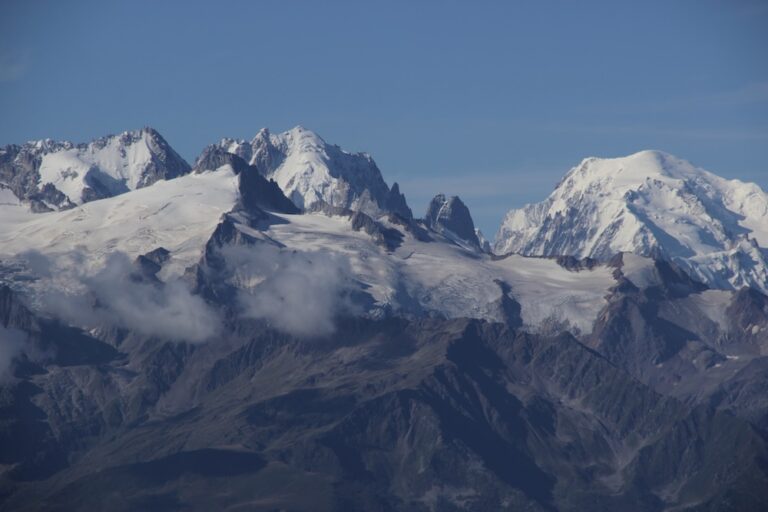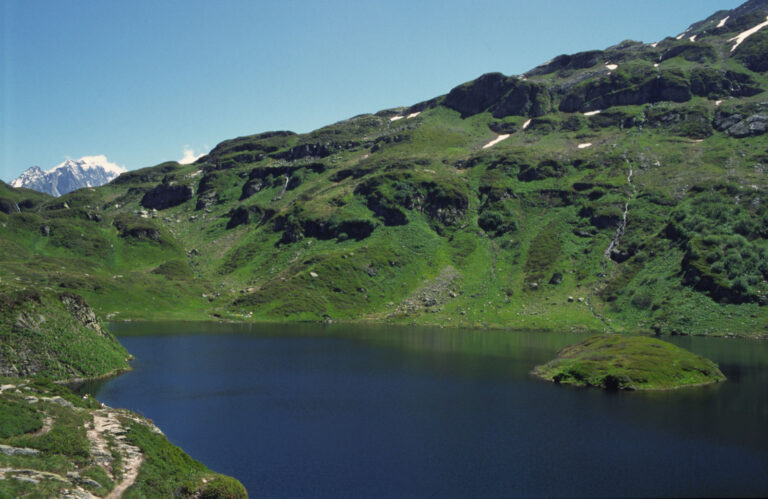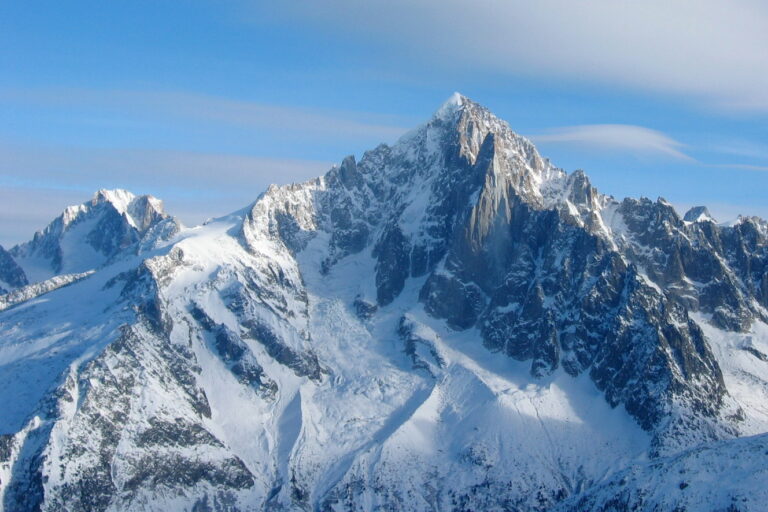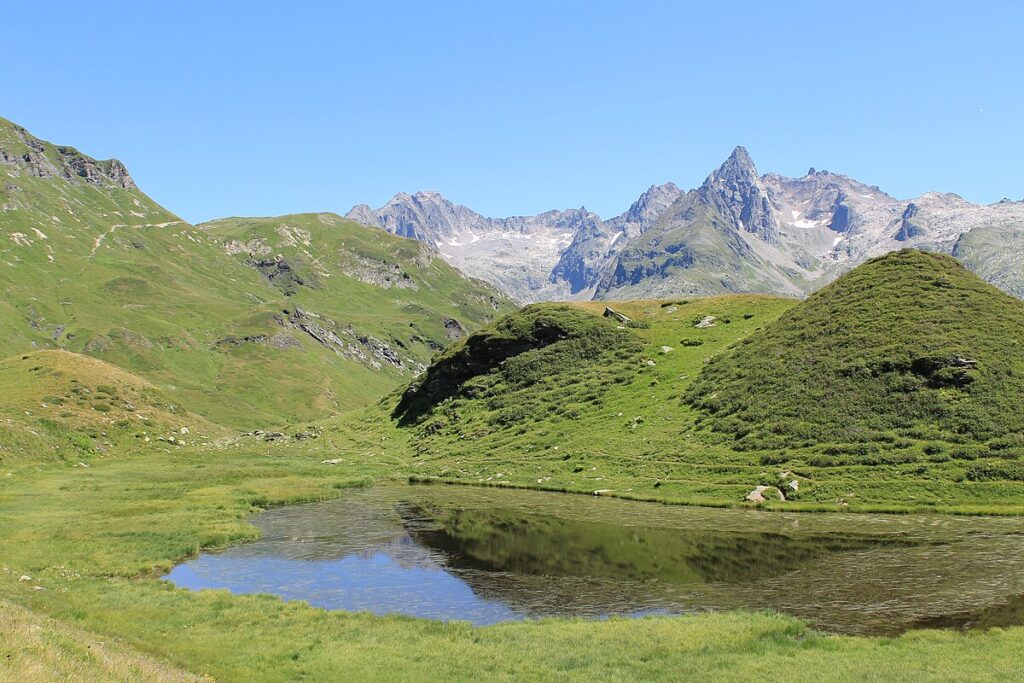
Nestled in the dramatic backdrop of the Mont Blanc massif, the Col de Pormenaz opens onto a landscape that feels both wild and meticulously curated. The first thing you notice is the turquoise shimmer of Lac de Pormenaz, a classic mountain lake framed by snow‑capped ridges and the gentle slope of an Alpine pasture. Just a short walk away, the rugged silhouette of Pointe Noire de Pormenaz dominates the horizon, offering a striking counterpoint to the serene waters below. The whole area belongs to a protected nature reserve, which means every path you tread is relatively untouched, and wildlife sightings are common. Hikers often start their adventure from the quaint village of Servoz, a gateway town that blends traditional Savoyard charm with easy access to the high passes. From Servoz you can head toward the Plaine Joux plateau, a gentle meadow that serves as a perfect staging ground for the ascent to Col de Anterne and beyond. The region is peppered with well‑marked hiking trails and trail networks, each offering a unique blend of elevation gain, high gradient sections and panoramic views of Mont Blanc and the valley of Passy. For those who like to plan ahead, the site AllTrails.com lists the most popular routes, while seasoned trekkers often reference the historic Refuge Moëde‑Anterne, a stone‑built haven perched above Lac Vert. Whether you crave a leisurely stroll around a crystal‑clear lake or a demanding summit push, the area around the Col de Pormenaz has something to satisfy every difficulty level and every taste for altitude.
Table of Contents
Getting to the Col de Pormenaz
The journey begins in Servoz, where a modest parking area sits beside the river Arve. From here, a well‑trodden road climbs gently to the Plaine Joux plateau; the drive takes about 20 minutes and offers the first glimpse of the impressive Pointe Noire de Pormenaz looming ahead. In summer, local shuttles run twice daily from the Passy train station to the trailhead, making it accessible even for those without a car. For the adventurous, cycling up the steep ascent is a popular challenge – the climb features an average gradient of 12% and a total elevation gain of roughly 800 m, rewarding riders with unrivalled views of the Lac Vert and distant peaks of Mont Blanc. All routes converge near the historic stone bridge that marks the entrance to the Col de Pormenaz area, a perfect spot to pause, hydrate and check the weather before heading into the high country.
Exploring the Lac de Pormenaz Area
The Lac de Pormenaz itself is a jewel of the region – a mountain lake where the water mirrors the sky so clearly that it feels like a portal to another world. The lake sits at an altitude of 1,980 m, surrounded by a mosaic of Alpine pasture and rocky outcrops. Early mornings are especially magical; mist rises off the water, and the distant call of the golden eagle can be heard echoing across the valley.
A short detour leads to the shimmering Lac Vert, a smaller body of water known for its emerald hue thanks to mineral deposits. The path between the two lakes follows a gentle ridge, offering a pleasant walk for families and a moderate hiking trail for solo trekkers seeking solitude. Along the way, informational panels describe the geological history of the area, making the hike both educational and visually rewarding.
The Alpine Pasture and Surrounding Flora
Beyond the lakes, the Alpine pasture stretches toward the foot of Pointe Noire de Pormenaz. In July and August, the meadow bursts into color with wildflowers such as edelweiss, gentians and alpine asters. The pasture also serves as grazing ground for local cattle, and it’s not uncommon to spot shepherds herding their flocks along the ancient trails. This pastoral landscape provides a striking contrast to the jagged peaks that loom above.
Main Hiking Trails and Their Characteristics
The region boasts a network of trails that cater to a variety of difficulty levels. Below is a quick reference table that outlines three of the most popular routes, their distance, estimated elevation gain and typical altitude reached.
| Trail | Distance (km) | Elevation Gain (m) | Highest Point (m) |
|---|---|---|---|
| Lake Loop (Lac de Pormenaz + Lac Vert) | 4.5 | 250 | 2,030 |
| Pointe Noire Summit | 7.8 | 620 | 2,560 |
| Col de Anterne Traverse | 12.2 | 1,050 | 2,700 |
The Lake Loop is ideal for families and beginners; it follows gentle inclines and provides plenty of spots to rest beside the water. The Pointe Noire Summit trail, by contrast, is a classic high gradient ascent that challenges even seasoned hikers. The final stretch involves a steep scramble over rocky slabs before reaching the summit of Pointe Noire de Pormenaz, where the view of Mont Blanc is unobstructed and breathtaking.
For those craving a longer adventure, the Col de Anterne Traverse links several alpine meadows, passes the historic Refuge Moëde‑Anterne and eventually descends toward the valley of Passy. Along this route, trekkers encounter varied terrain, from moss‑covered rocks to wide‑open slopes, and the difficulty ramps up as the altitude climbs above 2,500 m.
Summit Highlights – Pointe Noire de Pormenaz and Col de Anterne
Reaching the Pointe Noire de Pormenaz is often described as the “pay‑off” of a day’s effort. The summit is a rugged peak that offers a 360° panorama: on a clear day you can see the glistening dome of Mont Blanc, the rolling hills of Passy, and the deep valleys that criss‑cross the Chamonix region. The final push involves a short, exposed scramble; a rope is recommended for anyone who feels uneasy about heights.
Just a few kilometres south lies the iconic Col de Anterne. Historically, this pass was used by shepherds moving livestock between high‑altitude pastures. Today, the Col de Anterne is a favorite checkpoint for hikers aiming to complete the “Triple Pass” circuit that also includes the Col de Montets and Col des Montets. The area hosts the cozy Refuge Moëde‑Anterne, where you can refuel with traditional Savoyard fare – think raclette, tartiflette and steaming mugs of herbal tea.
Nearby Attractions – Servoz, Plaine Joux, and the Mont Blanc Vista
The village of Servoz is more than just a gateway; it’s a destination in its own right. Its stone houses, bustling market square and the historic church of Saint‑Michel give visitors a taste of Alpine culture. From Servoz, a short walk leads to the Plaine Joux, a gentle valley floor dotted with wildflowers and grazing sheep. The plateau is an excellent spot for picnics and offers unobstructed views of the Mont Blanc massif when the weather clears.
For a different perspective, drive a few kilometres toward the Passy region, where you’ll find the famed alpine ski resort of the same name. In summer, the lifts operate for hikers, ferrying them up to high‑altitude meadows that serve as launchpads for further ascents toward the Pointe Noire de Pormenaz and Col de Anterne. The resort’s visitor centre also provides up‑to‑date trail conditions and safety advice, essential for anyone planning a high‑altitude trek.
Practical Tips for Hikers
Before setting out, consider these key points:
- Altitude: The highest points exceed 2,500 m, so acclimatization is advisable, especially for those not accustomed to mountain environments.
- Difficulty: Trails range from easy lake loops (low gradient) to challenging summit scrambles with significant elevation gain. Choose according to your fitness level.
- Weather: Alpine weather can change rapidly. Pack a waterproof shell, layers, and a headlamp for unexpected fog or dusk.
- Equipment: Sturdy hiking boots with good ankle support are essential. For the Pointe Noire de Pormenaz summit, a lightweight rope and trekking poles add safety.
- Safety: Always inform someone of your intended route. While the area is part of a nature reserve, mobile coverage can be spotty at higher elevations.
Local authorities recommend starting early in the morning to avoid afternoon thunderstorms that are common in the summer months. If you’re planning a multi‑day trek, the Refuge Moëde‑Anterne offers basic dormitory‑style accommodation; reservations can be made via the resort office in Passy.
Frequent Asked Questions
What is the best time of year to hike the Col de Pormenaz?
The ideal window runs from late June to early October. During this period, snow has melted from the main passes, the alpine flowers are in full bloom, and the high‑altitude lakes such as Lac de Pormenaz and Lac Vert are crystal clear. Early summer may still have patches of snow on the summit of Pointe Noire de Pormenaz, while late autumn can bring unpredictable storms.
Can I reach the Col de Pormenaz without a car?
Yes. Public transportation from Passy to the trailhead runs twice daily in summer, and local shuttle services depart from Servoz. Additionally, many hikers choose to cycle the ascent from the valley floor, gaining both fitness and scenic rewards.
Is the trail to Pointe Noire de Pormenaz suitable for families?
The first half of the route – the lake loop around Lac de Pormenaz and Lac Vert – is gentle enough for children and less‑experienced walkers. However, the final scramble to the summit involves exposed sections and a steep rise, so families should assess their comfort level before attempting the full ascent.
What wildlife might I encounter?
Being part of a protected nature reserve, the area hosts a variety of alpine species. Marmots are common, especially near the pasture zones, while chamois and ibex can be spotted at higher elevations. Birdwatchers often report sightings of golden eagles, alpine accentors and the occasional bearded vulture.
Are there any cultural or historic sites nearby?
Besides the mountaineering heritage of the Col de Anterne pass, the village of Servoz preserves several 17th‑century chalets and a small museum dedicated to local farming traditions. The stone bridge near the trailhead also dates back to the early 1900s and is an example of traditional Alpine engineering.
What lies ahead for your next adventure?
From the shimmering waters of Lac de Pormenaz to the awe‑inspiring summit of Pointe Noire de Pormenaz, the region offers a spectrum of experiences that satisfy both casual walkers and seasoned alpinists. Whether you spend a few hours strolling along the lake, tackle the high‑gradient ascent, or camp under a sky littered with stars, each step immerses you deeper into the living tapestry of the Chamonix valley. The next time you’re plotting a getaway, let the Col de Pormenaz be your compass – it points toward unforgettable vistas, fresh mountain air, and the simple joy of exploring nature’s grand stage.