Nestled high above the bustling valley of Chamonix, the Glacier de Tour-Noir offers a mosaic of glistening ice, rugged ridges and panoramic views that make it a magnet for both seasoned mountaineers and ambitious ski‑tourers. From the moment you step out of the cable car at Grands Montets and feel the thin, bracing wind on your face, the landscape shifts from alpine forest to a high‑altitude arena of crevasses, snowfields and the iconic blue‑white veil of the glacier itself. This guide unpacks everything you need to know—logistics, weather patterns, technical quirks and the personal touches that turn a simple outing into a memorable glacier tour of the French Alps.
The route is famed not just for its striking scenery but also for the subtle challenges it presents. Whether you’re tracing the north ridge of the Tour-Noir peak, linking up with the Argentiere Glacier or tackling the classic ski route that winds between the Col du Tour-Noir and the Glacier des Améthystes, preparation is key. Expect a blend of mountaineering rigour, confident ski touring technique and a constant eye on the avalanche bulletin. Read on for a step‑by‑step look at how to experience this high alpine terrain responsibly and enjoyably.
Table of Contents
Overview
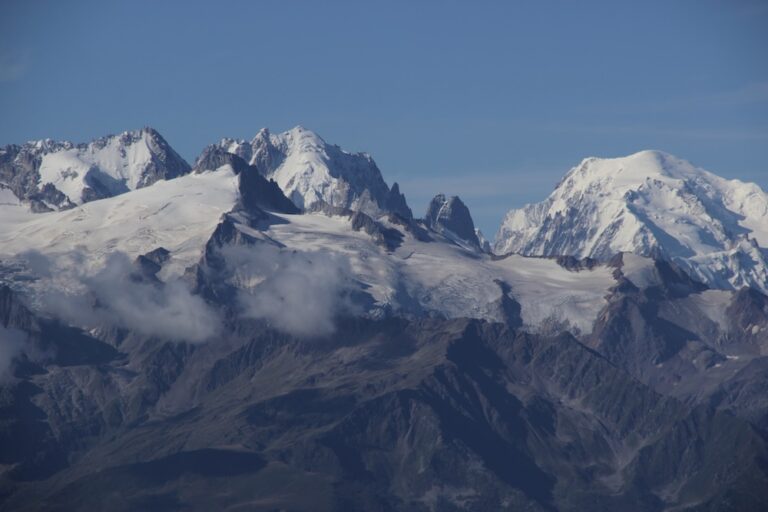
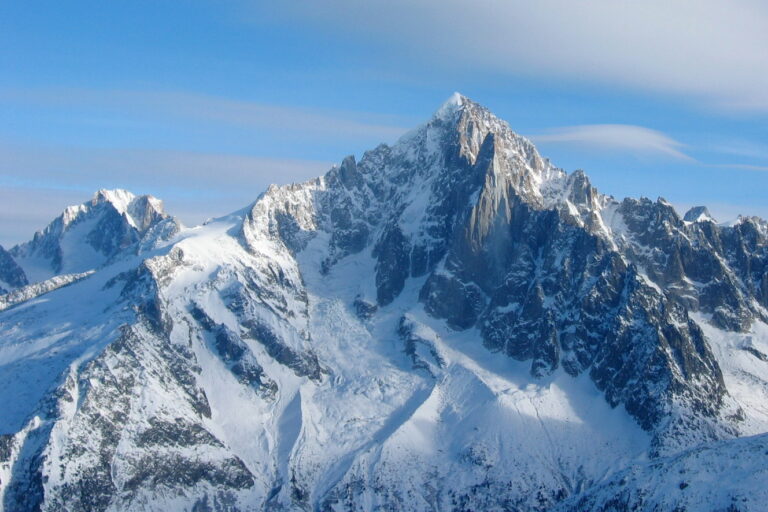
At its core, the Glacier de Tour-Noir is a cirque‑shaped ice field that lies on the north‑eastern flank of the Tour Noir massif, just west of the famed Mont Blanc massif. The glacier stretches roughly 2 km in length, dipping from a summit altitude of 3 887 m down to the valley floor near the Col d’Argentiere. Its surface is a patchwork of snow‑covered moraines, icefalls and occasional frozen waterfalls that cascade off the rocky walls.
Thanks to its relatively gentle gradient compared with the neighboring Argentiere Glacier, the glacier is a popular stepping‑stone for both beginners in high altitude terrain and experts seeking a less‑crowded alternative to the classic Mont Blanc approaches. The area is also a natural playground for ski touring enthusiasts, who relish the long, open descents that start at the summit of Tour Noir and glide down the north ridge into the valley.
From a historical perspective, the glacier has served as a route for early Alpine guides in the 19th century, and its name—Tour Noir—refers to the dark, shadowed appearance of the mountain when viewed from the valley below. Modern visitors will find a blend of tradition and cutting‑edge safety: weather stations on the summit feed real‑time weather forecast data, while local rescue teams publish daily avalanche bulletin alerts.
Getting There
The most straightforward entry point is the gondola from Le Tour up to Grands Montets. The lift operates year‑round, with a higher frequency in the winter months when the ski‑touring crowd swells. From the top station, a short ski touring run leads you to the start of the glacier’s main ascent.
For those preferring a hike, a marked trail begins at the Argentiere Hut (Refuge d’Argentière). The hut sits at 2 530 m and provides basic dormitory accommodation, a dining room and a stash of glacier equipment for rent—ice axes, crampons and helmets. It is advisable to book a night in advance during the peak season (July‑September and December‑March).
- Parking is available near the Col d’Argentiere, with a shuttle service to the lift.
- The high altitude of the approach (above 2 500 m) means you should acclimatise for at least one day before attempting the glacier.
- Local guide services operate out of Chamonix and can arrange rope teams for less experienced parties.
Regardless of your chosen entry, make sure to check the latest weather forecast and the daily avalanche bulletin before setting out. Conditions can change dramatically within a few hours at high alpine terrain elevations.
When To Climb
The optimal window for a safe and enjoyable glacier tour runs from late June to early October, when the snowpack stabilises and the risk of serac fall diminishes. In the winter, the route becomes a classic ski route but demands greater technical skill due to deeper snow and higher avalanche risk.
Summer (June‑September)
During the summer months the glacier’s surface is largely firn, offering firm footing for crampon‑bound boots. Daylight hours are long, and the meadow‑like terrain around the Col du Tour Noir is free of fresh snowfall, which reduces the chance of hidden crevasses.
Winter (December‑March)
Snow depth can exceed two metres, creating perfect conditions for ski touring. However, the avalanche risk spikes, especially after heavy snowfall or wind‑laden drifts. Always carry an avalanche transceiver, probe and shovel, and consider joining a guided group.
Mountain Conditions
Nearly every year, the Glacier des Améthystes and the Argentiere Glacier share a similar melt pattern, and conditions on the Glacier de Tour Noir often mirror these trends. In a typical season, the glacier experiences a brief thaw in late July, exposing the underlying ice and revealing hidden crevasses that can pose a danger to the unwary.
Key factors to monitor:
| Factor | Typical Summer Value | Typical Winter Value |
|---|---|---|
| Snow depth (cm) | 30‑80 | 150‑250 |
| Ice hardness (kPa) | 200‑350 | 400‑600 |
| Average temperature (°C) | 2‑6 | -5‑-2 |
Because the glacier sits at a high altitude, the temperature can swing quickly, especially at the Col du Tour Noir ridge. A sudden rise of a few degrees may soften the snow crust, increasing the risk of slips. Conversely, a rapid drop can create hard, icy slabs that require careful placement of crampons and front‑point technique.
Backcountry Skiing Route
One of the most rewarding descents in the area follows the classic ski touring line from the summit of Tour Noir down the north ridge, crossing the Col du Tour Noir, and finally merging with the main ski route that traverses the Glacier des Améthystes. The run provides an average gradient of 30 % and offers stunning views of Mont Blanc on clear days.
Route Breakdown
- Start: 3 887 m, summit of Tour Noir – accessed via a short climb from the upper gondola terminal at Grands Montets.
- First section: Follow a steep snowfield for 400 m to the ridge, using a mix of ski poles and crampons.
- Mid‑section: Traverse east along the north ridge, maintaining a steady line that avoids exposed seracs. The terrain here is a classic high‑altitude glide, demanding good balance and confidence on variable snow.
- Final descent: Drop into the Col du Tour Noir bowl, then link into the established ski route across the Glacier des Améthystes that leads toward the Argentiere Hut.
Throughout the run, keep an eye on the avalanche bulletin. Recent assessments indicate a moderate wind‑loaded slab on the left side of the ridge in early December, which can be avoided by shifting a few metres to the right.
Author’s Recommendation
Having spent several winters navigating the ice‑capped faces of the French Alps, I can attest that the Glacier de Tour Noir presents an ideal blend of technical challenge and breathtaking scenery. For most visitors, I recommend tackling the glacier in late summer, when the snow is firm and the risk of hidden crevasses is lowest.
If you’re a ski touring enthusiast, aim for an early‑morning start in December, when the snow is fresh and the sun is low enough to keep the face in the shade—perfect for maintaining a hard, fast surface. Always carry a full set of glacier equipment, and never underestimate the unpredictable nature of the high alpine environment.
Lastly, remember that the magic of the place lies as much in the quiet moments—sipping hot chocolate at the Argentiere Hut, watching the sunrise over Mont Blanc, and feeling the silence of the ice beneath your boots—as it does in the adrenaline of the descent.
Frequent Asked Questions
What level of experience is required for a safe ascent?
The glacier is suitable for intermediate mountaineering and ski‑tourers who have completed at least one high‑altitude outing. Beginners should hire a certified guide, especially if they lack experience with crevasse rescue or avalanche assessment.
Do I need a permit to ski the Glacier de Tour Noir?
No specific permit is required for recreational ski touring, but you must respect the local regulations set by the Chamonix‑Mont‑Blanc authority. Guided groups are encouraged to register their activity for safety monitoring.
How can I assess avalanche risk on the day of my tour?
Consult the daily avalanche bulletin posted at the Argentiere Hut and on the official Chamonix mountain‑weather website. Use a portable avalanche transceiver, probe, and shovel, and consider enrolling in a short avalanche‑safety briefing before heading out.
What gear is essential for a glacier tour in this area?
At minimum you’ll need an ice axe, crampons compatible with ski boots, a harness, a rope (30 m is typical), helmets, and a full set of avalanche safety gear. In addition, layered clothing, a map, and a GPS device are strongly advised.
Is it possible to combine a visit to the Glacier des Améthystes with the Tour Noir?
Yes. Many routes link the two glaciers via the Col du Tour Noir. A combined itinerary usually takes a full day and offers spectacular views of both the Argentiere Glacier and the surrounding peaks.
Wrapping Up the Tour Noir Experience
From the moment you glide up the gondola at Grands Montets to the final toast at the Argentiere Hut, the Glacier de Tour Noir delivers a multi‑sensory adventure that blends technical mountaineering, exhilarating ski touring, and the charm of alpine culture. By respecting the mountain’s rhythm—checking the weather forecast, staying informed about the avalanche bulletin, and using appropriate glacier equipment—you can safely soak in the grandeur of the high altitude landscape.
Whether you’re chasing the perfect powder line on the north ridge, exploring the icy seams that carve the Glacier des Améthystes, or simply absorbing the panoramic view of Mont Blanc from the summit of Tour Noir, the memories forged here will linger long after you descend back to Chamonix. So pack your gear, respect the mountain, and let the glacier’s silent majesty guide you to new heights.