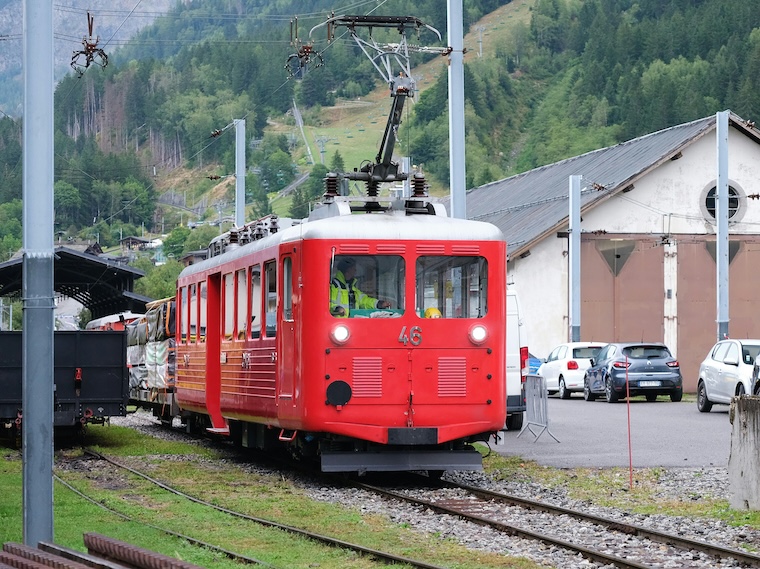
Nestled high above the bustling town of Chamonix, the Gare du Montenvers has become a pilgrimage point for anyone fascinated by mountains, glaciers and vintage rail travel. In less than half an hour, the red‑painted cog train climbs from 1 035 m to an altitude of 1 913 m, delivering passengers to the edge of the legendary Mer de Glace. From the moment the locomotive hisses out of Chamonix station, the scenery shifts dramatically – jagged peaks, deep valleys and the ever‑changing white blanket of the glacier. Whether you’re planning a summer family outing, a winter snow‑capped adventure, or simply a day‑trip to see the ice cave and the glaciorium, the experience is a blend of natural wonder and historic charm that feels both timeless and freshly relevant. The ride is not just a transport link; it is a moving museum of glaciology, a glimpse into the region’s history, and a gateway to a host of alpine activities that suit every age and ability.
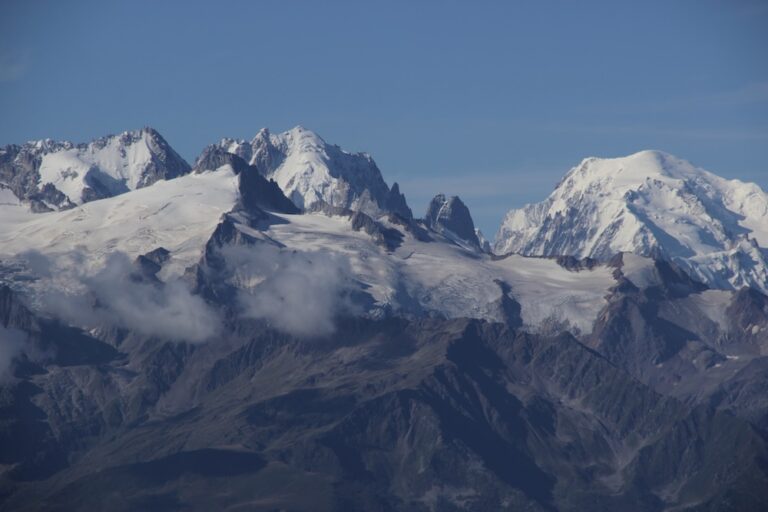
Beyond the train itself, Montenvers offers a compact village of attractions: a restaurant perched on the glacier’s edge, a museum showcasing past climate data, and easy access to the cable car and gondola routes that whisk visitors toward the towering Grandes Jorasses and the iconic Mont Blanc profile. In this guide we will unravel the practicalities—ticket prices, opening hours, schedule, and accessibility—while also diving into the stories that make this site a beloved tourist destination. Grab a warm drink, imagine the whistle of the steam, and let’s explore why the Gare du Montenvers remains one of the most photographed and unforgettable stops in the French Alps.
Table of Contents
The History of the Montenvers Railway
The origins of the Montenvers line date back to the early 1900s, a period when alpine tourism was booming and engineers were eager to showcase the potential of mountain railways. The original cog railway was inaugurated in 1908, designed to provide safe, reliable access to the Mer de Glace, which at that time was still a relatively unknown natural wonder. The line was built by the French company “Compagnie du Montenvers”, which chose the rack‑and‑pinion system because of its ability to tackle steep gradients while maintaining a steady train speed.
During World War II, the railway suffered temporary closures, yet it quickly rebounded post‑war as tourism surged again. In the 1970s, a new ice grotto was carved directly into the glacier, adding a fresh attraction that drew crowds from across Europe. Recent upgrades in 2022 introduced modern safety systems, a refreshed ticket office, and a small exhibition space highlighting the impact of climate change on the glacier’s retreat. The station itself, Montenvers station, blends rustic Alpine architecture with contemporary comforts, offering a view that has been captured in countless travel postcards.
Key milestones
- 1908 – Opening of the original Montenvers cog railway.
- 1930 – First electric lighting installed at the station.
- 1973 – Creation of the Ice Cave (Ice Grotto), boosting summer visits.
- 1995 – Introduction of the Glaciorium, an interactive museum about glaciology.
- 2022 – Comprehensive safety overhaul and ticket office modernization.
The Journey: Train, Schedule, Ticket and Access
The Montenvers train departs every 30 minutes from the Chamonix station (also known as Chamonix‑Mont Blanc), with the first departure at 08:30 am in summer and 09:00 am in winter. Each ride lasts about 20 minutes, climbing 878 m in altitude; the experience feels like stepping back into a storybook, especially when you hear the clatter of the cog wheels against the rack rail. The schedule train is adjusted for weather conditions, so it’s wise to check the latest opening hours before you head out.
If you’re travelling with kids, the trip is perfectly suited for family outings: the carriages are spacious, there are no steps at the doors, and the large windows make it easy for children to stay enthralled. The train is also wheelchair‑friendly, with a ramp at the ticket office and a designated space inside each carriage. Dogs are welcome on the train as long as they are leashed, though they are not allowed inside the ice cave for safety reasons.
Tickets can be purchased on‑site, online via the official Montenvers website, or through the ticket office located near the Chamonix‑Mont Blanc arrival hall. Below is a quick reference of the most common fare categories (prices are indicative for 2025):
| Category | Adult (CHF) | Child (3‑12, CHF) |
|---|---|---|
| Round‑trip ticket | 28 | 14 |
| One‑way ticket | 16 | 8 |
| Family pass (2 adults + 2 children) | 70 | |
| Senior (65+) | 22 | – |
There is also a mountain pass that bundles the train ride with entry to the glaciorium, ice cave, and a guided tour of the glacier’s edge. For those holding a seasonal ski pass or a Mont Blanc Unlimited card, the train ride is included at no extra cost—just flash your pass at the turnstile.
What to See at Montenvers: Mer de Glace, Ice Cave, Glaciorium and More
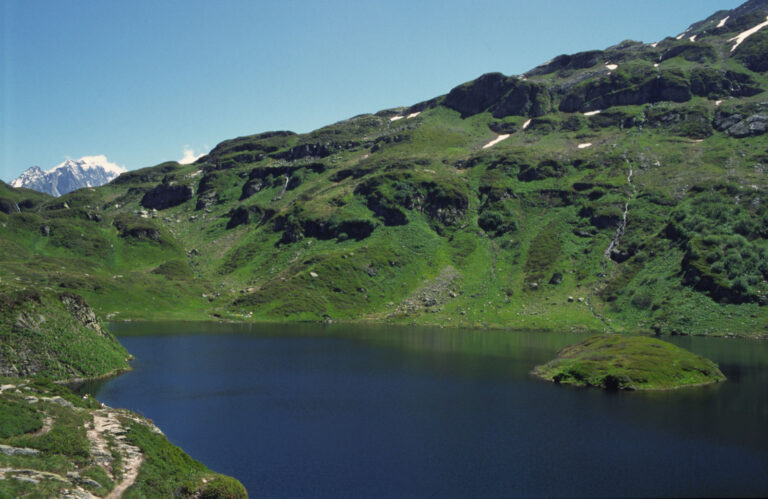
The centerpiece of the Montenvers complex is, of course, the Mer de Glace—the largest glacier in France and one of the most accessible alpine ice formations. From the platform at 1 913 m, you can admire a sweeping view of the glacier’s crevasses, turquoise melt‑water streams, and the surrounding mountain silhouettes. In summer, when the snow recedes, you’ll notice a striking contrast between the bright ice and the lush alpine meadows below.
Just a short walk from the main platform lies the famous ice cave (also called the Ice Grotto). Inside, technicians cut a tunnel into the glacier each year, sculpting an enchanting tunnel illuminated by blue‑hued lights that enhance the natural ice formations. The cave’s interior changes constantly, making each visit a unique experience. For those curious about the glacier’s science, the adjacent Glaciorium offers interactive displays on glaciology, past climate records, and the ongoing environmental challenges that threaten the ice mass.
Another must‑see is the museum exhibition that showcases historic photographs, old railway equipment, and artifacts from the early 20th‑century mountaineering era. A small cable car runs from the Montenvers plateau up to the “Endpoint” of the glacier, where you can step onto a specially prepared viewing platform. From there, the Panoramic Restaurant – also known as the Bar des Glaciers – offers a seated view of the icy landscape while you sip a hot chocolate or enjoy a local Savoyard dish.
Highlights in a snapshot
- Mer de Glace – The main glacier, perfect for photography.
- Ice Cave (Ice Grotto) – Seasonal, offers a magical underground walk.
- Glaciorium – Interactive exhibits on climate and glacier dynamics.
- Panoramic Restaurant – Alpine cuisine with a glacier backdrop.
- Grand Hotel du Montenvers – Historic accommodation for overnight stays.
Dining and Relaxing: Restaurants, Bars and Alpine Cuisine
After absorbing the raw beauty of the glacier, hunger inevitably sets in. The Montenvers plateau hosts two notable dining venues. First, the Panoramic Restaurant (sometimes referred to as Bar des Glaciers) offers a menu focused on regional specialties: cheese fondues, tartiflette, and hearty mountain soups, all served on a terrace that looks out over the glacier’s icy expanse. The restaurant also caters to lighter tastes with salads, fresh fruit, and a modest selection of desserts.
For a more upscale experience, the Grand Hotel du Montenvers houses its own elegant dining room. Here, the chef blends traditional Savoyard flavours with contemporary techniques, using locally sourced ingredients—think alpine herbs, Charolais beef, and mountain honey. Both venues are equipped to handle dietary restrictions, and the staff are happy to accommodate wheelchair users, as the dining areas are on the same level as the station.
Children will love the small ice‑cream kiosk near the ticket office, and families often linger over a cup of hot chocolate while watching the train glide back down the mountain. If you’re looking for a quick bite, a selection of sandwiches and energy bars is available at the souvenir shop, which also sells glacier‑themed memorabilia.
Practical Tips: When to Visit, Weather, Accessibility and More
Choosing the right time of year can dramatically shape your experience. The summer months (June‑August) bring milder weather, longer daylight hours, and clearer views of the glacier’s surface—ideal for families and photographers alike. However, the massive influx of tourists can mean longer queues at the ticket office and the ice cave.
The winter season (December‑March) cloaks the landscape in fresh snow, turning the train ride into a magical journey through a white wonderland. Some attractions, like the ice cave, remain open, but the opening hours are shorter, and weather can occasionally suspend train service. In both seasons, it’s wise to dress in layers, wear waterproof boots, and bring sunscreen—high altitude sun can be surprisingly intense.
Accessibility is a strong point of the Montenvers complex. The station and platforms are equipped with ramps for wheelchair users, and there are only a few steps leading to the ice cave entrance (a portable ramp can be requested). Dogs are allowed on the train and in the outdoor areas, but not inside the ice cave. The site is also generally dog‑friendly**, provided the animal is leashed at all times.
For those travelling with children, the train’s slow speed and large windows keep the little ones mesmerised. The ticket office offers discounted child fares, and many families combine the Montenvers visit with a short hike to the nearby Grandes Jorasses viewpoint, which is accessible via a gentle, well‑marked trail.
Getting There and Exploring the Surroundings
Reaching the Gare du Montenvers is straightforward. From the centre of Chamonix, follow signs to the “Gare du Montenvers” which is a short walk from the main railway hub. If you’re staying in the town, most hotels provide a shuttle service that drops you off at the Montenvers departure platform. For those who prefer cycling, a well‑maintained bike lane runs alongside the road up to the station, though the steep climb may be challenging.
Beyond the glacier itself, the Montenvers area serves as a springboard for other alpine pursuits:
- Cable car from the village to Aiguille du Midi – perfect for high‑altitude panoramas.
- Gondola rides to Le Brevent – popular for ski slopes and sunset hikes.
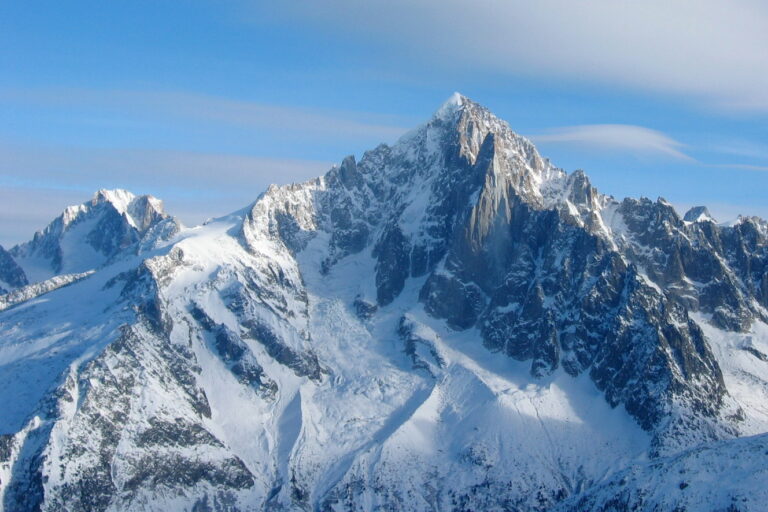
- Guided hikes to the peak of the Drus, offering spectacular alpine scenery.
- Summer paragliding launches from the surrounding ridges for the adventurous.
All these activities are reachable by short bus rides or a simple walk, making the Montenvers site an excellent hub for a full day of mountain exploration.
Frequent Asked Questions
Do I need to book Montenvers train?
Reservations are not required for the Montenvers train. If you already own a valid season pass, annual pass, or a specific alpine travel pass, you can simply present it at the turnstile. Tickets can be bought on the day of travel at the ticket office, but during peak summer weeks it’s advisable to arrive early to avoid queues.
How long is the train ride at Montenvers?
The cogwheel train climbs from Chamonix (1 035 m) to Montenvers station (1 913 m) in roughly 20 minutes. The gentle ascent provides ample time to admire the changing landscape, and the rhythmic click of the cog system adds a nostalgic charm that many visitors cherish.
What is the main train station in Chamonix?
The primary railway hub in the town is the Chamonix‑Mont Blanc station, positioned centrally and served by SNCF. From here you can catch regional TER services, the Montenvers cog railway, as well as long‑distance connections to Geneva and beyond.
Are there any discounts for families or children?
Yes. Children between 3 and 12 years benefit from a 50 % reduction on both round‑trip and one‑way tickets. A family pass (2 adults + 2 children) is also available, offering a bundled price that is often cheaper than buying separate tickets.
Can I bring my wheelchair or a service dog?
The station and train are wheelchair‑accessible, featuring low‑step entry and a designated space inside each carriage. Service dogs are welcome on the train and throughout the outdoor areas, but, for safety, they are not permitted inside the ice cave.
When is the best time to visit the ice cave?
The ice cave is generally open from early June until late September, with daily opening hours from 09:30 am to 16:30 pm. Summer provides the clearest visibility inside the grotto, while early autumn can offer a more tranquil atmosphere with fewer visitors.
Why the Gare du Montenvers Remains a Must‑See Alpine Experience
From its historic steam‑powered roots to its modern role as a gateway for climate education, the Gare du Montenvers encapsulates the spirit of the French Alps. It delivers a compact yet rich itinerary: a scenic train ride, awe‑inspiring glacier vistas, interactive science exhibits, and alpine cuisine served with a backdrop of eternal ice. Whether you’re a seasoned mountaineer, a curious family, or a traveler seeking a slice of alpine heritage, Montenvers offers a versatile passport to the mountains. So next time you’re planning a trip to Chamonix, make sure the rhythmic chug of the cog railway finds a place on your itinerary – the view from 1 913 m is worth every minute of the climb.