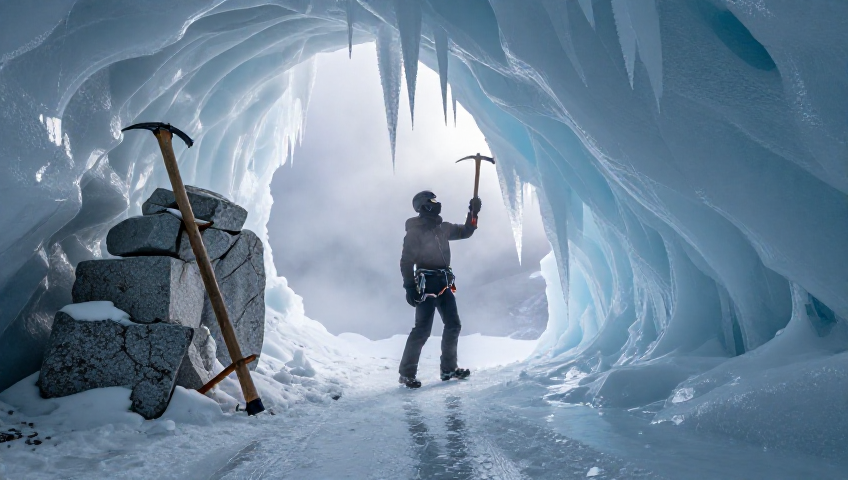
From the moment the cogwheel rattles up the steep slopes of Montenvers, the Grotte de Glace reveals itself as a shimmering portal into the heart of the Mer de Glace. The ice‑filled cavern, perched at 1,913 metres, is more than a tourist stop; it is a living classroom where glaciers, glaciology and climate change meet spectacular scenery. Whether you arrive by the iconic Montenvers train or prefer the high‑altitude challenge of the Grand Balcon Nord hike, the experience blends the majesty of the Alps with the intimate thrill of stepping into frozen arches, spotting ice sculptures, and wandering through the Glaciorium museum and the Temple of Nature. Families, photographers, hikers, and mountaineering enthusiasts all find something to love: the breathtaking views, the educational displays, the fresh alpine air, and the chance to witness a fragile natural heritage that is slowly retreating under the pressure of climate impact.
Table of Contents
What is the Grotte de Glace?
The Grotte de Glace is a man‑made ice cave drilled into the Mer de Glace glacier. Open year‑round, its interior is constantly refreshed by cold air flowing through steel‑grate stairs that lead visitors deep into the glacier’s icy core. Inside, glittering ice formations resemble chandeliers, while illuminated walls showcase the glacier’s layers – a visual timeline of centuries of snow accumulation.
Beyond the visual spectacle, the cave serves a scientific purpose. The adjoining glaciorium museum presents interactive exhibits on glaciology, the history of the Montenvers train, and the ongoing glacier retreat caused by rising temperatures. The “Temple of Nature” section even offers a reflective space where visitors can contemplate the delicate balance between humans and this exceptional natural heritage.
“Stepping into the Grotte de Glace feels like walking into a cathedral built by ice itself – majestic yet undeniably fragile.”
How to get there – Montenvers train or Grand Balcon Nord hike
Ride the Montenvers train
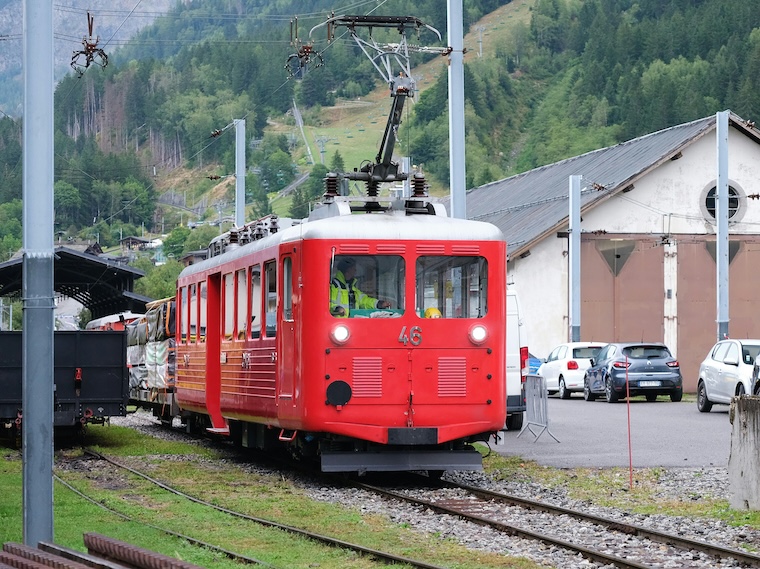
The classic route begins at Chamonix‑Mont‑Blanc’s station, where the historic Montenvers train (a rack‑and‑pinion mountain train) awaits. In just 20 minutes, the locomotive rattles up to the Glacier’s edge, offering panoramic snapshots of the surrounding peaks – the Signal Forbes ridge, the lofty Lac Bleu, and the iconic Grand Balcon Nord. Upon arrival, the cogwheel train drops you at the Refuge du Montenvers, a perfect spot for a quick coffee at the Bar des Glaciers before heading down the steel‑grate stairs to the ice cave.
- Tickets: Standard adult €15, children €8, seniors €12. Discounted tickets are available for families and groups of 10+
- Schedule: Trains run every 30 minutes from 8 am to 4:30 pm (mid‑day heat may reduce frequency in summer)
- What to bring: Warm layers, rain jacket, sturdy hiking boots, water bottle, sunglasses, and a camera
Hike the Grand Balcon Nord trail
For the more adventurous, the Grand Balcon Nord trek offers a scenic ascent beginning at the cable car station of the Aiguille du Midi. The 3‑hour hike winds past alpine meadows, over rocky outcrops, and finally arrives at the Montenvers site. Along the way, you’ll cross the Signal Forbes viewpoint, where the landscape opens into a sea of white peaks, perfect for photography enthusiasts seeking dramatic scenery.
While the hike demands good fitness and appropriate gear – think waterproof hiking boots, a rain jacket, and a warm hat even in summer – the reward is an unobstructed sense of arrival. The trail also passes the Temple of Nature information panels, which explain the glacier’s formation and current climate challenges.
Attractions at the Grotte de Glace
Glaciorium museum & Temple of Nature
The Glaciorium museum is an engaging space where interactive screens illustrate the science of glacier dynamics. Exhibits on mountaineering history and the development of the cogwheel train provide context for the region’s evolution as a tourist hub. A dedicated section on climate change explains how the Mer de Glace has receded by over 30 meters in the past three decades, underscoring the importance of responsible visitation.
Ice sculptures and educational displays
Inside the cave, skilled artisans create stunning ice sculptures each season, ranging from delicate snowflakes to towering crystal arches. These works are complemented by educational displays that explain crystallography and the physics of freezing water. The paths are lined with steel‑grate stairs, ensuring safety while preserving the cave’s fragile environment.
| Feature | Opening hours | Price (adult) |
|---|---|---|
| Ice cave visit | 8 am–5 pm (summer), 9 am–4 pm (winter) | €12 |
| Glaciorium museum | Same as ice cave | Included |
| Temple of Nature | Same as ice cave | Included |
Planning the perfect visit
What to bring and how to dress
Even in the height of summer, temperatures inside the ice cave hover around –2 °C, so layered clothing is essential. A combination of a moisture‑wicking base layer, an insulated mid‑layer, and a wind‑proof outer shell works best. Don’t forget a pair of sturdy, waterproof hiking boots – the steel‑grate stairs can become slippery when wet.
Other essentials:
- Rain jacket (the valley can surprise you with sudden showers)
- Sunglasses and sunblock (UV reflection off the ice is strong)
- Camera with extra batteries (cold drains power quickly)
- Dog shoes if you bring a pet – the area is dog friendly but must stay on marked paths
Ideal order of events
- Arrive early to catch the first Montenvers train or start the Grand Balcon Nord hike.
- Take a brief stop at the Refuge du Montenvers for a snack – the Le Panoramique offers hot chocolate with a view.
- Descend the steel‑grate stairs to the Grotte de Glace and explore the ice formations.
- Visit the Glaciorium museum and the Temple of Nature.
- Wrap up with a leisurely walk along the Mer de Glace viewpoint, snapping photos of the glacier’s crevasses and the surrounding alpine landscape.
Family activities, dining and refreshments
The site is perfectly suited for family activities. Children love the mystique of the ice cave, while parents appreciate the educational value of the museum. A seasonal “Ice‑Art Workshop” lets kids create small snow‑ice figurines under supervision.
When hunger strikes, several dining options await:
- Bar des Glaciers – a cozy spot for hot drinks and light snacks.
- Restaurant Grand Hotel – offers a full Alpine menu with local cheese fondue.
- Buvette des Mottets – perfect for a quick sandwich and a water bottle.
All venues respect the environmental commitments of the site, using locally sourced products and minimizing waste.
Our responsibilities and commitments
Visiting the Grotte de Glace is a privilege that comes with stewardship duties. The site’s management follows strict guidelines to limit foot traffic, protect the fragile ice structures, and reduce carbon footprints. Visitors are encouraged to stay on marked paths, avoid touching the ice, and dispose of waste responsibly.
In recent years, the Glaciorium has launched a “Glacier Guardian” program, inviting tourists to contribute to monitoring glacier health through citizen‑science apps. By sharing observations of melt patterns, participants help scientists understand the pace of glacier retreat and its wider climate impact.
Frequent Asked Questions
Is the Ice Cave in Chamonix worth it?
The ice cave impresses with intricate ice sculptures and a cool ambience, though its size has decreased due to glacier melting. The adjoining Glaciorium more than compensates, offering in‑depth information on glaciology and climate change.
How do I get to the Ice Cave in Chamonix?
Take the iconic rack‑and‑pinion Montenvers train from Chamonix to the Montenvers site at 1,913 m. From there, a short walk down steel‑grate stairs leads to the cave. A modern gondola also brings visitors close to the entrance for a faster alternative.
What is the Mer de Glace in Chamonix?
The Mer de Glace is France’s largest glacier, stretching 7 km, covering 40 km², and reaching up to 200 m in thickness. Fed by the Leschaux and Géant glaciers, it has carved a deep U‑shaped valley that now hosts the ice cave and visitor centre.
How long is the train from Chamonix to Mer de Glace?
The ride lasts about 20 minutes aboard the historic Montenvers cogwheel train. The journey offers spectacular panoramas of the surrounding peaks and the glacier’s white expanse.
Can I bring my dog to the Grotte de Glace?
Pets are allowed on the cable car and the Montenvers train**, but they must remain on leashes and wear protective shoes on the steel stairs. The site is officially dog friendly, though the ice cave itself may limit access during peak hours.
What are the opening hours in winter?
During the winter season, the ice cave opens from 9 am to 4 pm, with the last train departing Chamonix at 4:30 pm. It’s advisable to check the latest schedule before arrival, as weather can affect timings.
Are there discounted tickets for families?
Yes, families with two children under 12 receive a 20 % discount on combined tickets for the train, cave access, and museum. Senior citizens (65+) also benefit from reduced fares.
Why the Grotte de Glace should be on your Chamonix bucket list
Combining awe‑inspiring natural beauty, cutting‑edge scientific insight, and a genuine commitment to sustainability, the Grotte de Glace stands out as a must‑see destination in the French Alps. Whether you seek a quick ice cave visit, a full‑day glacier tour, or a family‑friendly hike, the site offers a flexible itinerary that adapts to summer sunlight or winter snow. The blend of stunning views, educational content, and warm Alpine hospitality makes every trip feel both adventurous and meaningful. So, pack your rain jacket, lace up your hiking boots, and set out for a day at the Grotte de Glace – a crystal‑cold adventure that will stay with you long after the ice melts.