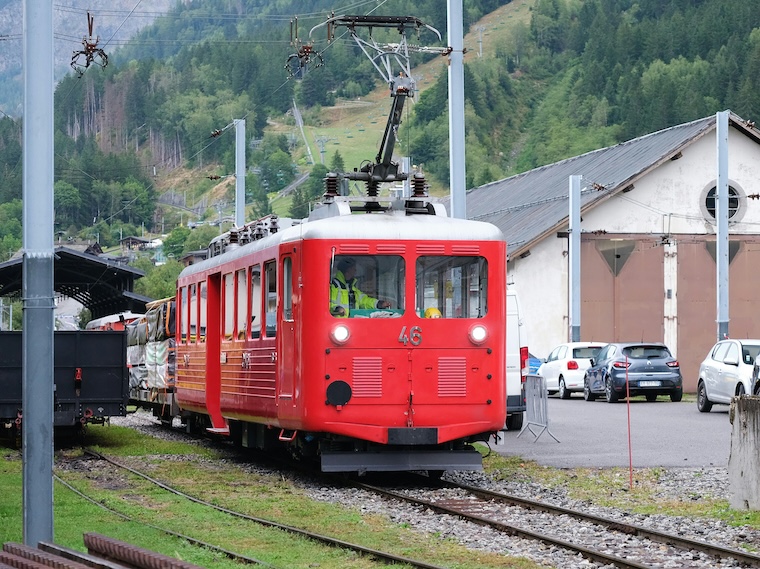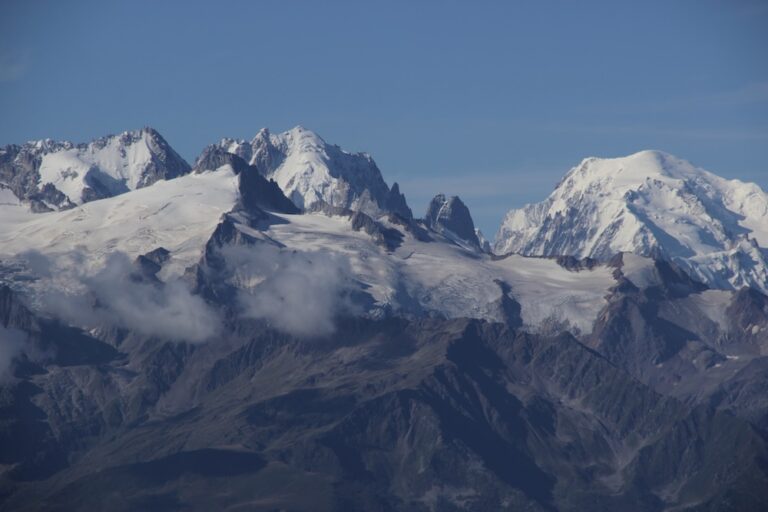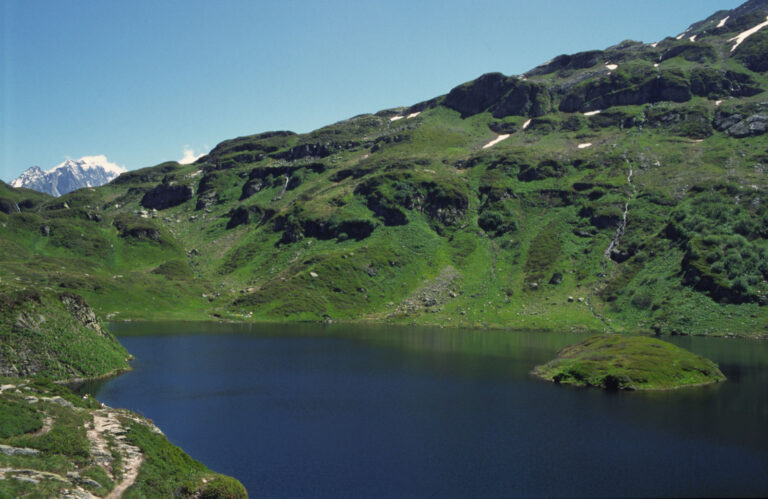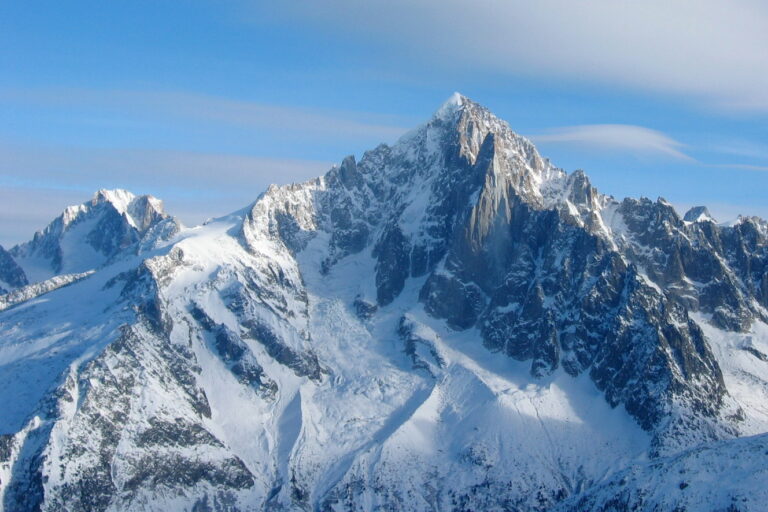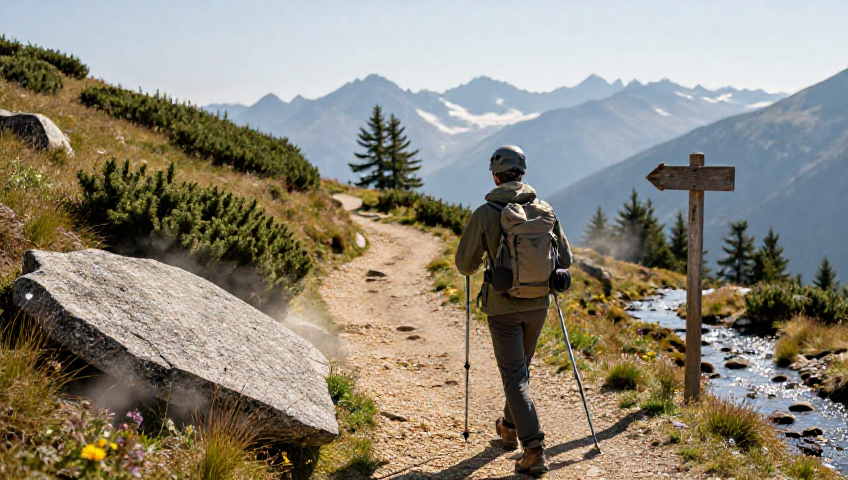
Nestled just a few kilometres north of Chamonix, the Lavancher Plateau unfolds as a wide open amphitheatre of alpine meadows, rocky outcrops and an ever‑changing sky. Whether you arrive by train at the bustling train station or by a short drive from the bus stop on the main road, the first thing you notice is the sense of spaciousness – a big open space that feels both intimate and infinite. The plateau sits at an altitude of roughly 1,400 m, offering a gentle elevation gain on the way up and a panoramic view that sweeps across the valley, the majestic glacier of the Mont Blanc massif and, on clear days, the shimmering mer de glace that mirrors the sky.
What makes Lavancher Plateau a magnet for hikers, trail‑runners and families alike is its blend of accessibility, natural beauty and subtle challenges. The main trail encircles the plateau in a scenic loop that can be tackled in under four hours, yet the area also offers more ambitious out‑and‑back routes for the seasoned adventurer. Dogs are welcome, children as young as four can join the journey, and a handful of snack bar kiosks – notably the famed buvette du chapeau perched on a rocky ledge – ensure you never run out of water or a quick bite of local cheese. Let’s dive into the details that will make your visit to Lavancher Plateau unforgettable.
Table of Contents
Le Lavancher: a haven of peace just a stone’s throw away from Chamonix
While the name Le Lavancher might sound like a quiet hamlet, the plateau is anything but isolated. The surrounding mountain scenery forms a natural amphitheatre, and the gentle slope of the meadow creates a feeling of walking on a soft carpet of wildflowers. In spring, after the snow has melted, the plateau turns into a colourful patchwork of purple alpenroses, yellow edelweiss and the occasional splash of red from alpine poppies. Summer brings a different palette – deep green grasses, puffballs of white arnica and the occasional sight of a marmot scuttling among the rocks.
« The sound of a distant waterfall is the only thing that breaks the silence here, » says one regular who returns each season. That waterfall, tucked into the northern side of the plateau, feeds a crystal‑clear stream that snakes through the meadow and serves as a natural drinking source for both hikers and their dogs. The forest that borders the western edge provides an inviting shade for those who wish to rest under the lofty pine needles, while the east side opens onto a sweeping viewpoint overlooking the valley below.
Where is Le Lavancher? – GPS coordinates, map and access
The exact centre of the plateau lies at latitude 45.9333° N and longitude 6.9200° E. A quick look at the map reveals that it is situated roughly 2 km north‑north‑east of the town centre of Chamonix, a stone’s throw away from the road leading to the famous Argentière ski area. For those travelling by car, the parking lot at the edge of the hamlet of Les Tines provides a convenient car park with signposts directing you to the trailhead.
| Feature | Details |
|---|---|
| Latitude | 45.9333° N |
| Longitude | 6.9200° E |
| Nearest town | Chamonix‑Mont‑Blanc |
| Elevation | 1,420 m |
| Altitude range | 1,300 – 1,600 m |
Public transport is well‑served: a local bus stops at the entrance of the plateau every half hour during the high season, and a shuttle from the main train station runs on weekends in the summer months. If you prefer to walk, a marked signpost leads you from the centre of Chamonix through a gentle ascent of the forest trail that ends at the plateau’s main trailhead.
Hiking & running trails to Le Lavancher – routes, length and difficulty
The most popular route is the Lavancher Loop, a 7.5 km hike that winds around the plateau, ascends gently to the Petite Balcon Nord and then drops back down toward the buvette du chapeau. The trail is classified as moderate with a technical level that suits both walkers and trail‑runners. Average hikers complete it in 2‑3 hours, while seasoned runners can shave the time down to about 1 hour 20 minutes, depending on pace and the amount of rockfall or boulders encountered.
For those seeking a more challenging experience, an out‑and‑back option leads from the plateau up to the mountain pass known as the Col de la Plagne. This adds approximately 3 km to the journey, raising the elevation gain by another 350 m and introducing a few narrow sections with hand‑holds and a short ladder across a steep rocky ravine. The difficulty assessment for this extension is “hard”, with an increased avalanche risk in early winter and late autumn, especially after heavy snowfall.
All trails are well‑marked with trail markers and occasional cairns that guide you through the wide open meadows and into the more densely forested parts. In the summer, you’ll notice that the snow cover has melted completely, revealing a smooth surface that’s perfect for a fast run. In winter, the same path transforms into a quiet cross‑country route, but be mindful of the glacial melt that can make some sections slippery.
Trail directions & safety considerations
- Start at the parking lot near Les Tines, follow the orange‑marked sign toward “Le Lavancher”.
- Keep an eye on the weather forecast – mountain weather changes rapidly, especially in early June and mid‑October.
- Carry at least 1 litre of water per hour of hiking; the snack bar at the buvette offers refill stations.
- Most of the loop is family friendly, but the final ascent to Petite Balcon Nord includes some steep sections that may be challenging for very young children or less experienced hikers.
- Dogs are allowed on the trail, but they must be kept on a leash near the waterfall and the narrow rocky sections.
Points of interest near Le Lavancher
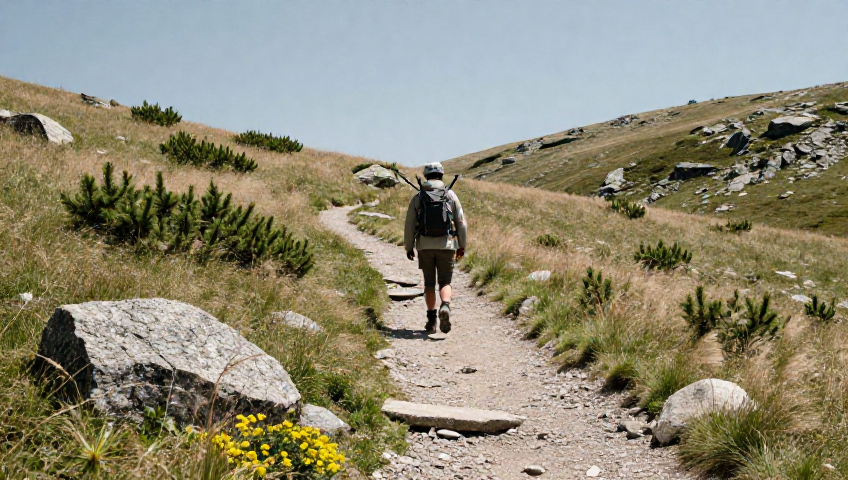
Beyond the main loop, the plateau offers several “must‑see” spots that enrich the experience. The Petite Balcon Nord offers a breathtaking scenic view over the valley, perfect for a quick photo stop. Nearby, the mer de glace glistens like a frozen sea, especially in early morning light. The historic Les Tines chapel, a modest stone building dating back to the 18th century, stands as a reminder of the region’s heritage and is often the backdrop for the local fête du pain.
For those interested in alpine geology, a short detour leads to a rocky ravine where you can see the characteristic layers of limestone and schist that compose the mountain range. The trail also passes Les Tines hamlet, where a few luxury chalets have been converted into holiday rentals offering accommodation with a view of the valley’s glacier. If you’re hungry after a long trek, the on‑site gourmet restaurant serves regional cuisine – think fondue made with locally sourced cheese and a glass of alpine white wine.
Family friendliness and dogs – a trail for everyone
One of the most celebrated aspects of Lavancher Plateau is its family friendly atmosphere. The meadow’s gentle slopes and the wide, open spaces make it an ideal environment for children to explore safely. Many families bring a picnic to enjoy on the grass, and the plateau’s natural shade provides a pleasant spot for a break. The snack bar near the buvette offers child‑sized portions, and the local restaurant has a kids’ menu featuring simple dishes like potato gratin and apple crumble.
Dog owners will appreciate that the trail is clearly marked as dogs allowed. Leashes are required near the waterfall and in the narrow sections where rockfall can be a concern. Water bowls are placed at the buvette for both humans and pets, and the nearby meadow is a favourite spot for dogs to romp freely under supervision.
Practical information: parking, snack bar, accommodation and more
If you plan to drive, the main parking lot at the edge of the plateau can hold up to 120 vehicles. It is free during the low season (November to March) and costs €3 per day in the high season (April to October). For those traveling by train, the train station in Chamonix offers a shuttle service that departs every hour from platform 2, dropping passengers at the trailhead in about 12 minutes.
Food options are plentiful: the buvette du chapeau serves hot coffee, fresh pastries, and regional snacks like raclette sandwiches. For a more substantial meal, the gourmet restaurant at the edge of the plateau provides a seasonal menu, while the luxury chalet rentals offer private chefs on request. If you prefer a quick bite, the snack bar near the waterfall offers energy bars, fruit, and bottled water.
Accommodation ranges from cozy mountain lodges and family‑run hotels in Chamonix to the upscale chalets that overlook the plateau. Many of these lodges provide shuttle service to the plateau’s trailhead, making it easy to start early without worrying about parking.
Photo and video gallery – visual inspiration
A picture is worth a thousand steps. Below you’ll find a short photo gallery that captures the plateau’s changing moods – from the snow‑capped winter scene to the vibrant summer meadow. While we cannot embed an actual video here, you can imagine the gentle rush of the waterfall, the sunrise over the glacier, and the lively bustle of families at the buvette. For those who love to document their hikes, the plateau’s GPS coordinates make it simple to tag your photos on social media.
- Summer meadow: rolling green fields dotted with wildflowers.
- Winter wonderland: snow‑covered ridges and a frozen waterfall.
- Sunset view: the sky ablaze with orange over the mountain silhouettes.
Frequent Asked Questions
What is the best time of year to hike Lavancher Plateau?
The plateau is accessible year‑round, but the most pleasant conditions are from early June to late September. During this period, the meadow is in full bloom, the snow melt has cleared the higher sections, and the weather is generally stable. Early winter (November‑December) offers a quiet, snow‑covered landscape for cross‑country enthusiasts, while late October can bring unpredictable weather and occasional early snow.
How long does the main Lavancher Loop take for families?
For families with children 4 years and older, the loop typically takes between 2 h 30 and 3 hours, depending on the pace and the number of stops for snacks or photos. The trail’s gentle grades and frequent rest points make it comfortable for little legs, and the presence of a snack bar along the way helps keep energy levels up.
Is the trail suitable for dogs?
Yes, dogs are allowed on the entire loop. They must be on a leash near the waterfall and the steeper sections where rockfall can occur. The plateau provides water stations at the buvette and a small bowl at the snack bar, ensuring your canine companion stays hydrated.
What safety measures should hikers take?
Always check the local weather before heading out – mountain weather can change quickly. Carry a map or use a GPS device, keep an eye on trail markers, and bring a basic first‑aid kit. In winter, be aware of avalanche risk and consider a local guide if you plan to venture beyond the marked paths.
Are there facilities for a picnic?
Yes, the plateau features several designated picnic areas with tables and benches, especially near the waterfall and the buvette. You can bring your own food or purchase snacks at the snack bar. Remember to pack out any waste to keep the area pristine.
Can I stay overnight on the plateau?
While there are no official campsites directly on the plateau, nearby chalets and mountain lodges offer comfortable accommodation. Some owners allow bivouac in the meadow with prior permission, but you must respect the local regulations and avoid setting up in the immediate vicinity of the waterfall.
Exploring Lavancher Plateau: final thoughts and future adventures
From its sweeping vistas over Chamonix to the gentle flow of its waterfall, Lavancher Plateau embodies the perfect blend of accessibility and alpine charm. Whether you’re a seasoned trail‑runner chasing the next technical challenge, a family seeking a family friendly day out, or a dog lover looking for a new route, this plateau offers a slice of mountain life that feels both wild and welcoming. The combination of well‑marked paths, reliable snack bar facilities, and a range of nearby accommodation options means you can tailor your visit to any pace or preference.
Looking ahead, the plateau’s reputation continues to grow, and with each season new stories unfold – from late‑summer thunderstorms that create rainbows over the meadow, to early‑winter sunsets that paint the snow in gold. So next time you find yourself in the valley of Chamonix, set your compass for Lavancher Plateau. Pack your water, bring a sturdy pair of shoes, and let the open fields and vibrant alpine scenery rewrite your idea of a perfect mountain day.