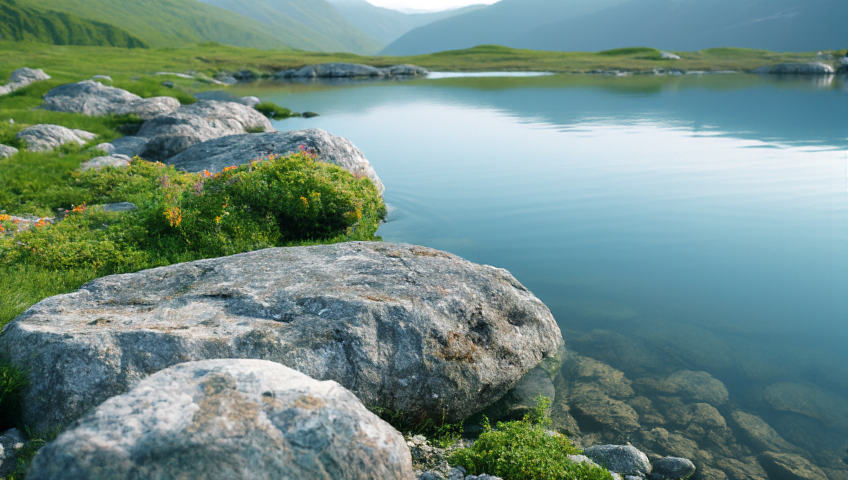
Imagine waking up in a stone‑built refuge high above the valley, the sun spilling over the mountain silhouettes while a carpet of wildflowers sways in the alpine breeze. That moment is the promise of a well‑planned trek in the Chamonix region. From the classic Tour du Mont Blanc circuit to quieter glacier passes, the area offers routes that cater to level a walkers with a gentle ascent, all the way up to seasoned alpinists seeking a technical glacier crossing. In the following pages we’ll unpack the essential choices—duration, accommodation, self‑guided versus guided, gear, and seasonal considerations—so you can match the perfect itinerary to your fitness, ambition and sense of adventure.
Table of Contents
Choosing the Right Trek: From Beginner to Expert
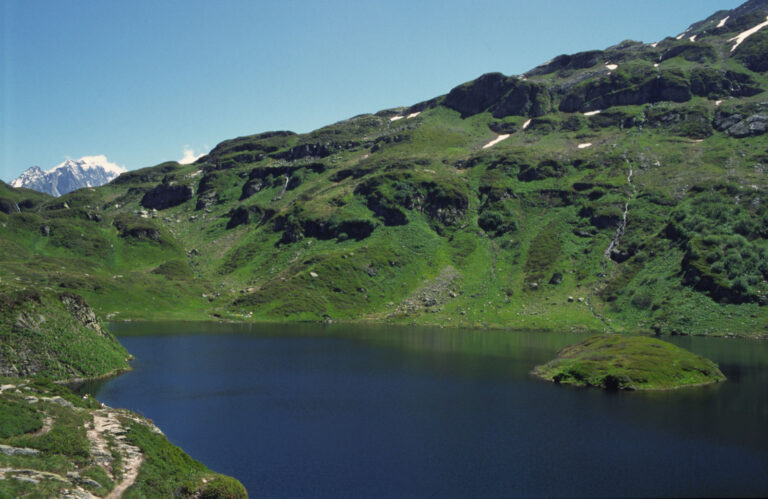
First, assess your physical rating and technical level. A level a hike might be a leisurely 2‑day walk along the Lac Blanc trail, where the altitude never exceeds 2,350 m and the terrain is well‑marked. For a level b challenge the classic Tour du Mont Blanc 10‑day segment from Chamonix to Courmayeur introduces a few steep ascents and a night in a mountain hut. If you’re eyeing a level c or higher, the Haute Route from Chamonix to Zermatt pushes you over high cols, demanding crampons, an ice axe and an awareness of crevasse risk.
Most trekkers find the guide ratio—the number of guides per hiker—comforting when they opt for a guided group. A 6‑day Haute Route with a guide ratio of 1:6 offers personal assistance without breaking the bank, while a self‑guided pack will rely on your own navigation skills and a reliable hiking map.
- Level a: Easy terrain, duration 1‑3 days, altitude < 2,500 m.
- Level b: Moderate climbs, duration 4‑7 days, altitude up to 2,800 m.
- Level c: Steep sections, occasional glacier, duration 8‑12 days, altitude 3,000 m+.
- Level d/e: Technical mountaineering, rope work, duration 10‑14 days, altitude 3,800 m+.
Remember, your comfort level also depends on the equipment you carry. A lightweight pack, breathable layers, and a sturdy pair of trekking boots can shift a level b route into a comfortable experience.
Iconic Routes: Tour du Mont Blanc and Beyond
The Tour du Mont Blanc (TMB) is the crown jewel of the Alps, a roughly 170‑km loop that skirts three countries. Starting in Chamonix, the trail weaves through the Vallee d’Aoste, the Aosta Valley, then returns via the Italian route. The classic 10‑day version includes iconic summits such as Grand Capucin and the Col de la Seigne, with nightly stays in historic lodge‑style refuges like Refuge du Goûter.
For those short on time, a condensed 3‑day self guided TMB “Epic Mont Blanc” segment picks the most scenic parts: Lac Blanc, the Swiss side of the Trient glacier, and a sunrise on the Summit du Mont Blanc. The route is well‑served by a cable car from Chamonix to the Héroux plateau, cutting out the early ascent and allowing you to focus on the high‑altitude drama.
| Route | Typical Duration | Average Price (from) |
|---|---|---|
| Full TMB (10‑12 days) | 10–12 days | price from €1,800 |
| 3‑Day Epic TMB | 3 days | price from €550 |
| Haute Route (6 days) | 6 days | price from €1,200 |
Beyond the TMB, the Grand Traversée des Alpes – GR5 slices through the French, Swiss, and Italian Alps on a more rugged path. The Alpine Haute Route Ski Tour, although primarily a winter pursuit, showcases why the region is a bucket‑list destination for both hikers and ski‑tourers alike.
Self‑Guided vs Guided: How to Plan Your Multi‑Day Hike
If you relish the freedom of carving your own pace, self‑guided trekking offers flexibility. You’ll need a solid hiking map, a GPS device, and a clear understanding of route markings. Many hikers appreciate the quiet moments at a refuge after a long day, especially when they’ve earned it on their own terms.
Guided groups, on the other hand, bring an assistant who can handle logistics—booking accommodation, transporting gear via cable car, and offering insight into local geology. A guide ratio of 1:8 is common for a “light” tour, while premium packages guarantee a 1:4 ratio, ensuring more personal attention on technical sections.
“I thought I could handle the TMB solo, but the guide’s knowledge of crevasse patterns on the glacier saved us a lot of time and stress.” – recent trekker on a forum discussion.
Both options have their own price from spectrum. A self‑guided 7‑day trek can be as low as €700 if you book hostels and refuges yourself, while an all‑inclusive guided trek with meals, transport and equipment can rise to €2,500.
Essential Gear, Accommodation and Logistics
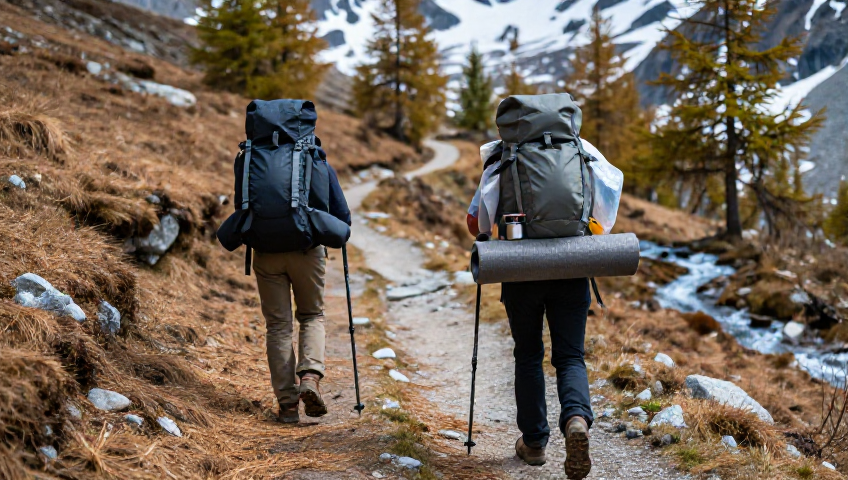
When the altitude climbs above 2,500 m, temperature swings become sharp. Layering is key: a moisture‑wicking base, an insulated mid‑layer, and a wind‑proof outer shell. Don’t forget a reliable headlamp—many refuges close their doors after 10 pm, and you’ll likely be in a shared dormitory.
Equipment checklist (some items bolded for emphasis):
- Backpack 35‑45 L with rain cover
- Sturdy trekking poles
- Insulated water bottle (1 L)
- Gaiters for snowfields
- Glacier gear: crampons, ice axe (required from level c)
- First‑aid kit with blister plasters
- Map, compass, and optional GPS
Accommodation ranges from refuge dorms with communal meals to private lodge rooms offering hot showers and Wi‑Fi. Mountain huts like the iconic Refuge du Goûter often require pre‑booking during peak season; a quick check on the official chalet website prevents last‑minute scrambling.
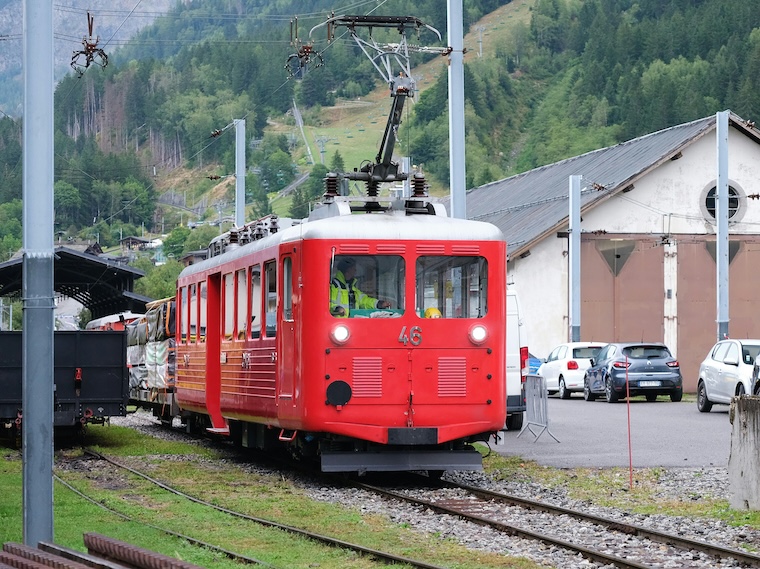
Logistics are simplified by the extensive cable car network. The Aiguille du Midi lift drops you at 3,842 m, a perfect launchpad for glacier treks, while the Mont Blanc Tramway carries gear to the Gouter Hütte, shaving off hours of ascent.
Sample Itineraries: 2‑Day, 3‑Day, and 7‑Day Adventures
2‑Day Alpine Escape
- Day 1: Take the cable car to Aiguille du Midi, hike to the Refuge du Goûter (3,800 m). Evening at the hut’s panoramic dining room.
- Day 2: Sunrise summit attempt on Mont Blanc (optional, technical level level d), descend via the Gouter route back to Chamonix.
3‑Day Epic TMB Slice
- Day 1: Chamonix – Lac Blanc (2,352 m) – Refuge du Plan de l’Aiguille
- Day 2: Cross Col des Montets, spend night at Refuge du Bionnassay
- Day 3: Descend to Courmayeur via Vallee d’Aoste, catch the train back to Chamonix.
7‑Day Haute Route Classic
| Day | Route | Accommodation |
|---|---|---|
| 1 | Chamonix → Aiguille du Midi → Glacier du Tacul | Refuge du Lac Blanc |
| 2 | Col des Montets → Brévent | Refuge du Bionnassay |
| 3 | Passage du Glacier – summit of Mont Blanc (optional) | Refuge du Goûter |
| 4 | Descent to Courmayeur | Hotel in Courmayeur |
| 5 | Courmayeur → La Thuile (Italian side) | Refuge Alpiglen |
| 6 | Cross the Grand Saint Bernard Pass | Refuge Cabane de Praz |
| 7 | Return to Chamonix via Martigny | Chamonix town centre |
Each itinerary can be adjusted for duration or price from based on your lodging preferences—dormitory‑style huts cut costs, while boutique lodges add luxury.
When to Go: Weather, Seasonality and Safety Tips
Spring (April‑June) offers blossoming wildflowers and melting snowfields, but lingering winter conditions can make glacier travel tricky. Summer (July‑September) is the high‑traffic period; expect full refuges, lively forum chatter, and occasional thunderstorms. Autumn (October‑early November) brings crisp air, fewer hikers, and spectacular golden foliage, though some cable car services scale back.
Key safety reminders:
- Check the altitude forecast; rapid changes can trigger altitude sickness above 2,500 m.
- Carry a lightweight first‑aid kit and know the nearest medical evacuation point.
- Stay informed via the local Reddit community or youtube channels that post daily trail conditions.
Navigation tools have improved: a simple smartphone with offline topo maps works well, but a paper hiking map remains a reliable backup, especially when the signal drops in deep valleys.
Frequent Asked Questions
How difficult is the Tour du Mont Blanc for a first‑time trekker?
The TMB is a moderate to strenuous trek, with daily ascents of 800‑1,200 m. For a newcomer, a 10‑day itinerary is manageable if you’re comfortable with multi‑day backpacking and can handle nights at basic refuges. Opting for a “starter” version—cutting the loop to the French side only—reduces technical sections and altitude exposure.
Do I need a cable car pass to start most routes?
While many trails begin at valley trailheads, the most popular high‑altitude sections (e.g., Aiguille du Midi, Mont Blanc Tramway) require a cable‑car ticket. Purchasing a multi‑day lift pass can be cost‑effective if you plan several ascents.
What is the typical guide ratio for a group trek?
Guided groups usually run a 1:6 to 1:8 ratio. This ensures each hiker receives personal assistance on navigation, equipment checks, and safety briefings, while still keeping the overall cost reasonable.
Can I camp in the Alpine zone, or must I stay in refuges?
Wild camping is permitted in certain high‑altitude areas, but local regulations often restrict it in protected zones. Most trekkers prefer refuges for convenience, warmth, and the chance to share stories over a communal dinner.
What gear is essential for a glacier crossing on the TMB?
For glacier sections, bring crampons, an ice axe, a rope (8 mm is standard), and a harness. Even on level b routes, a light set of glacier gear adds confidence, especially when crevasses are hidden by fresh snow.
Are there any low‑cost accommodation options?
Yes. Many refuges offer dormitory rooms at €30‑€45 per night, including a simple dinner. For tighter budgets, local hostels in Chamonix and Courmayeur provide private rooms at €50‑€70, with kitchen facilities for self‑catering.
How can I verify the current trail conditions?
Check the official Chamonix tourism website, local weather stations, and community platforms like Reddit or YouTube channels that post daily updates. Posting a quick query on the forum can also yield real‑time feedback from hikers on the ground.
Beyond the Trail: Making the Most of Your Chamonix Experience
Finishing a multi‑day trek is only the start of a deeper connection with the Chamonix valley. Consider rewarding yourself with a relaxed day at the Thermes de Saint‑Gervais to soothe sore muscles, or explore the historic town centre’s lively market where local cheeses and alpine wines await. For the culturally curious, the Alpine Museum offers insight into the region’s mountaineering heritage—perfect for winding down after a physically demanding week.
Whether you choose a self‑guided adventure under the stars or a guided expedition with seasoned assistants, the mountains will greet you with their timeless grandeur. Pack wisely, respect the environment, and let the rhythm of the peaks set the tempo for an unforgettable journey.