Chamonix, perched at the foot of the iconic Mont Blanc, draws travelers year‑round, but the best season to visit Chamonix really depends on what you crave – powdery slopes, sunny valleys, or quiet alpine villages. In the next few minutes, I’ll walk you through the months, the weather, the crowds and the activities that make each period unique, so you can plan a trip that matches your vibe and budget.
Whether you’re a ski enthusiast eyeing the ski season in Chamonix, a hiker dreaming of chamonix in the summer, or simply a lover of breathtaking scenery, this guide blends practical data (average temperature, hours of sunshine, snow conditions) with insider tips (best routes, hidden cafés, local festivals). Let’s dive in.
Table of Contents
What is the best time to visit Chamonix?
Answering the question “what is the best time to visit Chamonix?” isn’t as simple as picking a single month. The best season to visit chamonix can be framed by four key factors: weather, crowd level, activity preferences, and budget. In a nutshell, the time to visit chamonix splits into two sweet spots – late spring (May‑June) for wildflower‑filled valleys and early autumn (September‑October) for golden foliage and milder crowds.
For a weather‑savvy trip, the best months for a weather‑savvy trip are May, June, September and early October. During these months, daytime highs hover around 15‑20 °C, the sun shines up to 8 hours per day, and precipitation eases off, making it ideal for hiking, mountain biking or simply strolling through the town of Chamonix. If you love snow but want to avoid the biggest queues, aim for early December or late March – those are the best time to go to chamonix for a quieter ski experience.
When is the ski season in Chamonix?
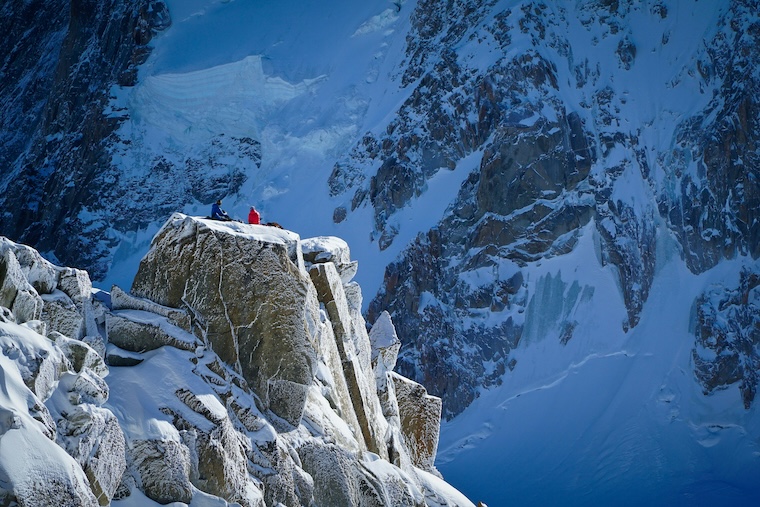
The ski season in chamonix traditionally kicks off in early December and runs through late April, but the exact dates shift with snow depth and temperature. Winter sports enthusiasts will find the best months for skiing are January, February and early March – when the slopes are fully covered, the lifts run at full capacity and the famous Aiguille du Midi cable car offers panoramic views of a snow‑capped Mont Blanc.
For those who love a challenge, the ski touring routes on the Grands Montets and the iconic Vallée Blanche are at their prime between late February and early April. If you’re a beginner, the gentle slopes of Le Tour and the family‑friendly area of Les Houches provide gentle gradients and English‑speaking instructors.
- December – Early season, limited lift hours, good for early‑bird deals.
- January‑February – Peak powder, long days, bustling après‑ski.
- March‑April – Late season, softer snow, fewer crowds, lower prices.
What activities can I do in Chamonix?
Chamonix isn’t just about skiing. The valley offers a wide range of outdoor activities that keep the town alive 365 days a year. Below is a quick rundown of the most popular pursuits, each with its own sweet spot.
| Activity | Ideal months | Key locations |
|---|---|---|
| Hiking | June‑August | Grand Balcon Nord, Lac Blanc, Aiguilles Rouges |
| Mountain biking | July‑September | Le Brévent, Les Praz, Grand Montets down‑hill trails |
| Paragliding | May‑October | Planpraz launch site, Aiguille du Midi |
| Rock climbing | May‑September | Les Gorges du Pont du Diable, Aiguilles Rouges |
| Ice climbing | January‑March | Glacier du Tacul, Mer de Glace icefalls |
Don’t forget the cultural side: the Alpine Museum, local markets, and the restaurants serving hearty fondue and Michelin‑starred cuisine. Even a casual stroll through the town of Chamonix reveals art galleries and live music venues that pop up after the lifts close.
What are the weather conditions in Chamonix?
Understanding the weather conditions is crucial for packing and planning. The valley sits at 1,035 m above sea level, so altitude plays a big role in temperature and precipitation.
Average temperature ranges from –5 °C in January to 22 °C in July. The hours of sunshine peak in July (up to 9 hours per day) and dip in February (around 3‑4 hours). Snowfall is heaviest between December and March, while rain dominates from May to September.
- January: cold, snow‑covered, daylight 7‑8 hours.
- March: transitional, mixed snow and rain, daylight 10 hours.
- June: mild, blooming alpine flowers, daylight 14 hours.
- October: crisp, first frost, daylight 9 hours.
For real‑time data, the French Meteo provides an hourly forecast that includes precipitation probability and wind speed.
When is the peak season in Chamonix?
The peak season aligns with the school holidays of France and neighboring countries. Expect the busy months of February, early March, and the July‑August window to be crowded. During these periods, lift queues can stretch beyond 30 minutes, and hotel prices climb by 30‑50 %.
If you prefer a more relaxed atmosphere, aim for the “shoulder seasons” – early December, late April, or mid‑September. You’ll still enjoy decent snow or pleasant hiking conditions, but with fewer crowds and more room to breathe.
What is the best month for hiking in Chamonix?
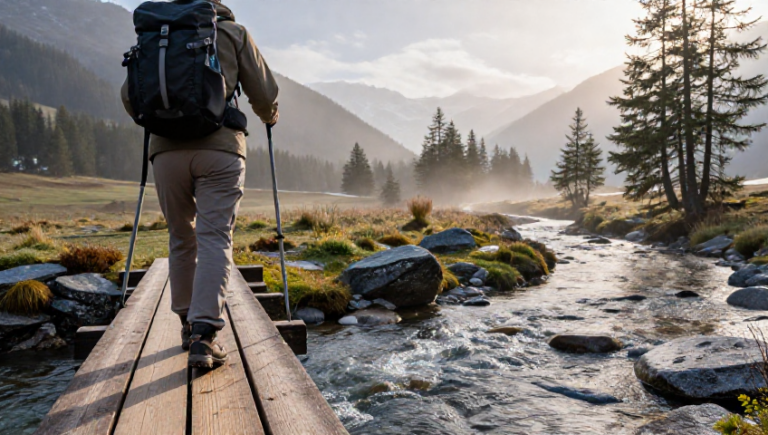
For trail enthusiasts, the best month to go to chamonix for hiking is typically July, closely followed by August. In this window, the meltwater feeds spectacular waterfalls, the Alpine meadows burst into a carpet of wildflowers, and the famous Tour du Mont Blanc section between Chamonix and Courmayeur is fully accessible.
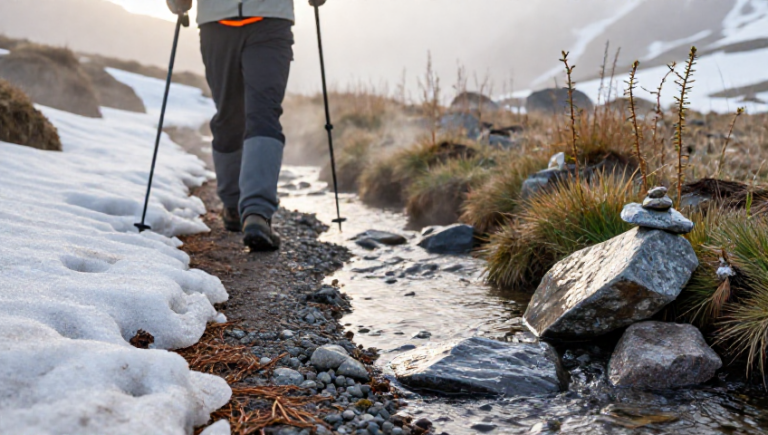
If you want to avoid the summer rush, late June or early September are “mild months” with comfortable temperatures (around 16 °C) and fewer people on the paths. Keep an eye on the snow conditions at higher passes – even in July, the Col des Grandes Jorasses can retain patches of snow.
What are the snow conditions in Chamonix?
The snow conditions vary dramatically across the valley. The higher glacial areas like the Bossons Glacier and the Grand Montets retain a solid snowpack well into May, while the valley floor can see melt in late March.
For powder lovers, the best snow conditions usually appear after a cold front in early February, when fresh snowfall blankets the slopes and the wind lifts the powder onto the peaks. Late March offers “soft snow” ideal for beginners and families.
Safety reminder: Always check the avalanche bulletin (available on La Chamoniarde website) before heading off‑piste.
You may also wonder
Can I combine skiing and hiking in a single trip?
Absolutely. Many visitors start with a week of skiing in December–January, then swap their boots for trekking shoes in late March when the snow recedes. The lift system stays open through most of April, allowing easy access to high‑altitude trails without a car.
Is public transport reliable in the Chamonix valley?
The valley is served by a network of buses (the Mont-Blanc Express) that connects Chamonix to Saint‑Gervais, Les Houches and even up to Mont Blanc’s base. Trains run from Geneva to Saint‑Gervais, making a seamless transfer to local shuttles. Buying a daily pass is usually cheaper than renting a car.
What culinary specialties should I try?
Don’t leave without tasting the classic fondue savoyarde, raclette, and the local cheese “Tomme de Savoie”. For a sweet finish, the tarte aux myrtilles (blueberry tart) uses berries harvested from the surrounding meadows.
How many days are enough to explore the area?
Most travelers find 5‑7 days sufficient to cover the major highlights: a ski day, a hike to Lac Blanc, a cable‑car ride to Aiguille du Midi, and a day trip to the historic town of Saint‑Gervais. If you’re a hardcore mountaineer, add extra days for multi‑day ascents on the Mont Blanc massif.
Is it possible to visit Chamonix in winter without skiing?
Yes. The Winter sports hub also offers snowshoeing, ice skating on the outdoor rink, and the famous Après‑ski scene with live music, heated terraces and local wines.
Do I need a special visa to travel to the French Alps?
Visitors from the EU, the US, Canada, Australia and many other countries can enter France visa‑free for up to 90 days. Always double‑check the latest entry requirements on the official French Ministry of Foreign Affairs site.
What is the best way to book accommodation?
During peak periods, book at least three months ahead through reputable platforms like Booking.com or directly with the Chamonix tourism office. For lower season, many chalets open up last‑minute, offering great bargains.
Are there family‑friendly activities?
Definitely. The Le Brévent and Les Houches ski areas have dedicated children’s zones, and the Parc du Merlet Alpine zoo in les Houches offers a fun half‑day outing for kids.
Can I see the Mont Blanc summit from Chamonix?
While the summit itself remains out of reach without a technical climb, the panoramic views of Mont Blanc from the Aiguille du Midi cable car are unmatched. On clear days, you can spot the summit from the town’s central square as well.
Wrapping up your Chamonix adventure
The best season to visit Chamonix ultimately mirrors your personal priorities. If powder and vibrant nightlife define your ideal holiday, target January‑February. If you crave alpine meadows, wildflowers and mild sunshine, set your calendar for June‑September. Shoulder months such as May and early October grant a blend of decent snow, fewer crowds, and lower prices, making them perfect for travelers seeking value and tranquility.
Remember, the mountains are ever‑changing. A quick glance at the forecast, a check on avalanche bulletins, and a flexible itinerary will ensure you make the most of every sunrise over the French Alps. Pack your boots, your curiosity, and perhaps a warm scarf – the valley is ready to welcome you, season after season.