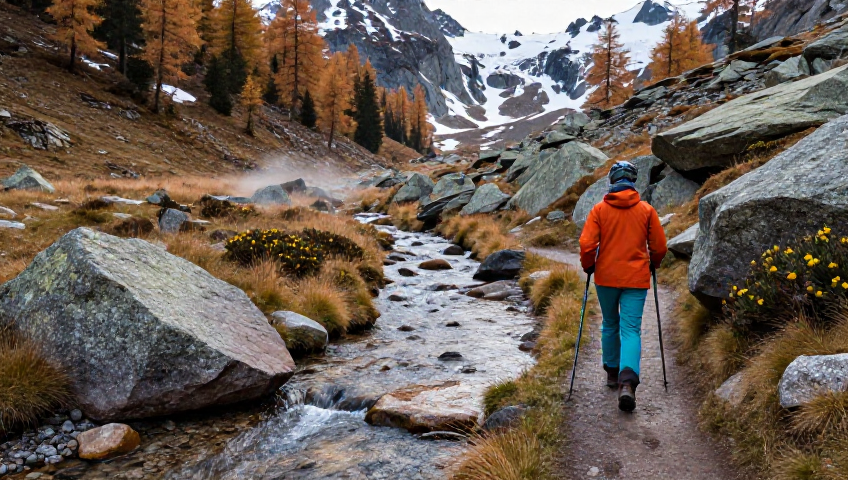
Nestled high in the alps above the bustling town of chamonix, the Vallon de Talèfre unfolds like a secret postcard. Its rugged walls, dotted with towering aiguilles and deep glacial bowls, have long attracted the kind of adventurers who prize solitude over crowds. Whether you are planning a summer hiking trek, a winter ski touring escapade, or a technical rock climbing session, the valley offers a blend of challenge and breathtaking scenery that is hard to match.
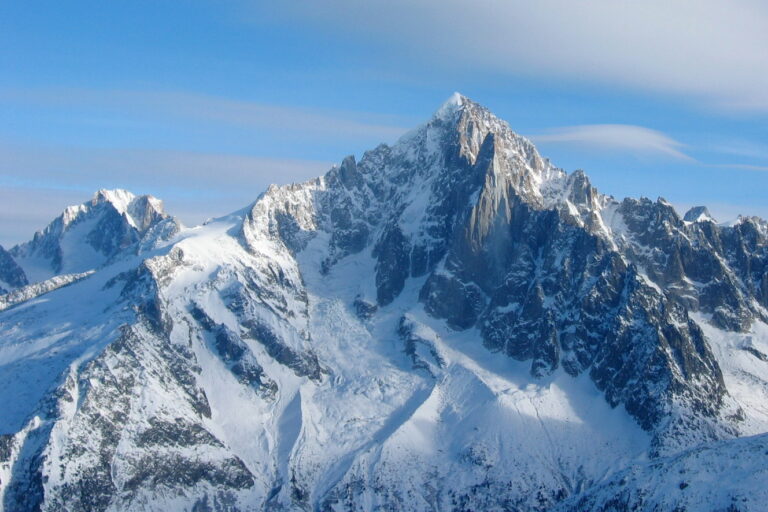
At the heart of the valley lies the iconic aiguille de talèfre, a granite spire that commands the skyline and serves as a natural compass for wanderers. From its base, you can trace the routes that lead to the famous tour du mont blanc (TMB), spot the shimmering ice of the triolet glacier, or simply breathe in the crisp alpine air as the sun paints the surrounding peaks in gold. This guide will walk you through the essentials – how to get there, what to see, where to stay, and how to stay safe – so you can make the most of your visit to this lesser‑known corner of the French‑Italian border.
Table of Contents
Overview of the Vallon de Talèfre
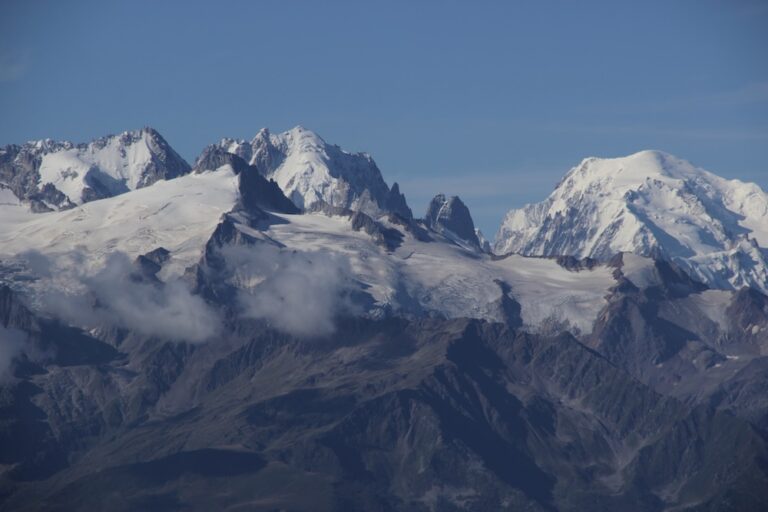
The Vallon de Talèfre stretches roughly 5 km from the village of Les Houches up to the high‑altitude plateau where the pre de bard glacier clings to the slopes of the triolet and the grand golliat. Its orientation faces south‑west, granting generous sunlight during the summer months, while winter brings a blanket of fresh snow that transforms the valley into a pristine playground for snowshoeing and ski touring. The landscape is a mosaic of alpine meadows, moraines, and rocky ridges that echo the grandeur of the montblanc massif beyond.
Geologically, the valley sits on a complex network of limestone and granite, resulting in a rich variety of climbing routes ranging from easy scrambles to steep multi‑pitch corners. The val ferret and valveny valleys intersect nearby, offering additional options for long‑distance hikers attempting the tour du mont blanc. The nearest major settlement, courmayeur, lies just across the border in the italian alps, providing a cultural blend of French and Italian alpine traditions.
Getting There – From Chamonix to the Valley Floor
The most common gateway is the town of chamonix itself, reachable by train from Geneva or by car via the A40. From the chamonix centre, follow the signs to Les Houches and park at the refuge d’Argentière. A short shuttle bus (usually running every 30 minutes in summer) will drop you at the trailhead on the road to val daosta where the valley entrance begins.
- By car: Take the D1506 towards Les Houches, then follow the “Pointe de la Lys” signs for 12 km.
- By public transport: Train to Les Houches, then bus line 10 to “Vallon de Talèfre”.
- Parking: A modest paid lot at “Le Praz” provides space for 30 vehicles.
For the more adventurous, a mountain bike ride from the pre de bard glacier offers spectacular views of the giant glacier area, though the track is rough and best attempted by experienced riders. If you plan to stay overnight, the refuge du Triolet (also known as rifugio elena on the Italian side) is your best bet – a stone‑built mountain hut that serves simple meals and warm drinks at the end of a long day’s ascent.
Hiking & Mountaineering – Trails that Define the Vallon
Two classic routes dominate the Vallon de Talèfre experience. The first is the Talèfre Loop, a moderate hiking circuit that circles the valley floor, passes the pre de bard glacier, and offers panoramic viewpoints over the montblanc dome. The second is the more demanding Summit of Aiguille de Talèfre trek, which involves glacier travel, basic rope work, and a final scramble to a 3,200 m summit that rewards climbers with a 360° view of the italian alps and french alps alike.
Typical itinerary (4‑day trek):
| Day | Stage | Elevation Gain |
|---|---|---|
| 1 | Les Houches → Refuge du Triolet | 850 m |
| 2 | Refuge du Triolet → Aiguille de Talèfre Summit → Campement Alpine | 1 200 m |
| 3 | Descent to Pre de Bard Glacier, cross to Val Ferret | 900 m |
| 4 | Return to Les Houches via TMB segment | 650 m |
During the summer, wildflowers such as edelweiss and Alpine aster carpet the meadows, while in the winter the same slopes become a silent white canvas, perfect for ski touring enthusiasts who relish the quiet of fresh powder. The valley’s position also means early sunrise at around 05:45 am in June, a magical moment when the sky glows pink and the peaks catch the first golden rays.
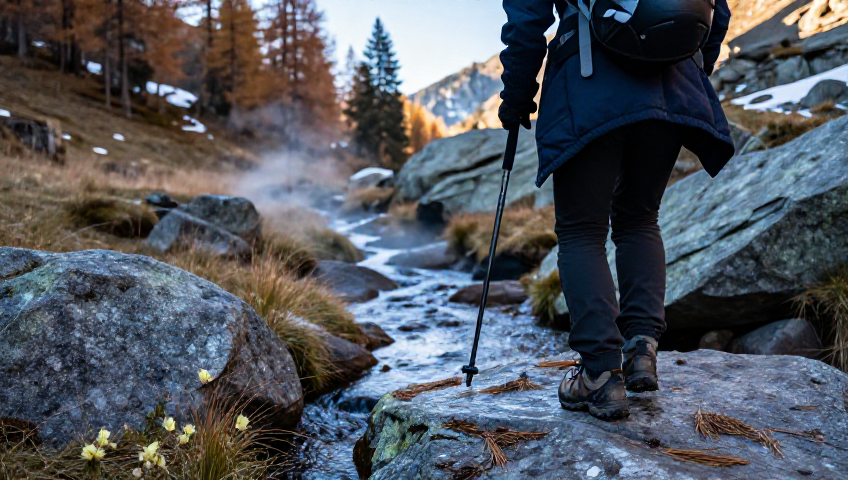
Rock Climbing – Lines That Test Skill and Nerve
The granite faces surrounding the Vallon present a spectrum of rock climbing opportunities, from sport routes on the aiguille du triolet to traditional crack climbs on the aiguille de lechaux. The most popular area is the “Talèfre Cracks”, a series of moderate to hard grades (5c‑7a) that attract both local climbers and those traversing the tour du mont blanc circuit.
“The vibe up there is pure alpine – you’re climbing in the shadow of Mont Blanc, with the wind whistling past the crevasses. It’s a reminder that you’re part of something bigger.” – Local climbing guide, 2025
Key routes to consider:
- Talèfre Direct – 6a+, a sustained slab with a final roof.
- French Crack – 5c, perfect for beginners learning trad placement.
- Giant Glacier Face – 7a, a bold line that negotiates icy sections in early autumn.
Safety is paramount: always check the weather forecast, carry a rope, helmet, and sufficient bivouac gear if you plan an extended day. The nearest mountain hut – refuge du Triolet – can provide emergency shelter and has a reliable radio link for rescue services.
Weather, Seasons and the Best Time to Visit
The valley’s climate is typical of high‑altitude Alpine environments: cold, dry winters and relatively mild, sunny summers. Below is a quick glance at average conditions:
| Season | Average High (°C) | Average Low (°C) | Snowfall (cm) | Typical Activities |
|---|---|---|---|---|
| Summer (June‑Sept) | 14 | 2 | 5 | Hiking, climbing, glacier walks |
| Autumn (Oct‑Nov) | 6 | -3 | 15 | Early ski touring, photography |
| Winter (Dec‑Mar) | -2 | -10 | 120 | Snowshoeing, ski touring, ice climbing |
| Spring (Apr‑May) | 5 | -1 | 30 | Mixed trekking, early mountaineering |
Early July provides the most stable conditions for multi‑day treks, while late September offers a quiet window for experienced climbers seeking lower crowds before the first snowfalls. Midnight sun is not a feature here, but the clear night skies in March are perfect for stargazing, especially from the altitude of the aiguille du triolet.
Practical Information – Refuges, Gear and Safety Tips
Staying in the valley is most comfortable at the refuge du Triolet, a stone‑built mountain hut that sleeps up to 30 and serves simple Alpine cuisine. Reservations are recommended from June to September, and the hut provides basic heating, a communal kitchen, and a small store of emergency blankets.
- Essential gear: insulated jacket, waterproof trousers, mountaineering boots, crampons (winter), trekking poles, headlamp.
- Safety checklist: check the weather forecast, carry a first‑aid kit, inform a partner of your itinerary, bring a map and compass (GPS as backup).
- Useful numbers: 112 (European emergency), 04 79 68 00 00 (Chamonix rescue service), 04 50 61 11 81 (Val Ferret mountain police).
Local guides often run climbing courses in July and August, focusing on rope handling, glacier travel, and route finding. If you’re new to high‑altitude mountaineering, signing up for a short training session can make the difference between a memorable adventure and an avoidable mishap.
Frequent Asked Questions
What level of fitness is required for the Talèfre Loop?
The loop is designed for hikers with a moderate level of fitness. The total ascent is about 1 200 m over 12 km, which can be completed in 5‑7 hours. Those accustomed to hiking in the alps will find it comfortable, while beginners might prefer to split the walk into two days and stay at the refuge du Triolet.
Can I do a ski touring tour in the valley during early winter?
Yes, early December often offers stable snow conditions on the north‑facing slopes. The classic route follows the ridge from the pre de bard glacier to the summit of aiguille de talèfre. It requires basic ski touring equipment, avalanche transceivers, and a partner familiar with backcountry safety.
Is there a direct connection between Vallon de Talèfre and the Tour du Mont Blanc?
The valley intersects the tmb at the pre de bard pass. Hikers can join the main TMB trail from this point, making it a convenient side‑trip for those already on the long‑distance circuit. Signage is clear, but a detailed map is advisable.
Are there any restrictions for climbing in the summer months?
Summer climbing is generally unrestricted, but certain routes that cross the triolet glacier may be closed if meltwater creates hazardous crevasses. Local guides post daily updates at the refuge du Triolet, and a quick check with the Chamonix mountain police results in the safest plan.
What wildlife might I encounter in the valley?
Alpine ibex, marmots, and golden eagles are common sightings. In spring you may also spot chamois navigating the rocky ridges. Respecting distances and avoiding feeding wildlife helps preserve the natural balance of the valley.
What Awaits You in the Vallon de Talèfre?
From sunrise over the montblanc massif to the soft hush of a snow‑covered evening, the Vallon de Talèfre offers a slice of Alpine authenticity that many visitors to chamonix miss. Whether you chase the thrill of a technical climb, the peace of a high‑altitude hike, or the quietude of a winter ski tour, the valley provides a stage where nature’s drama unfolds without pretence.
Plan wisely, respect the environment, and let the valley’s rugged charm guide you. The next time you stand at the foot of the aiguille du triolet and watch the clouds drift over the giant glacier, you’ll understand why this hidden corner has captivated mountaineers for generations – and why it will continue to do so for many more.