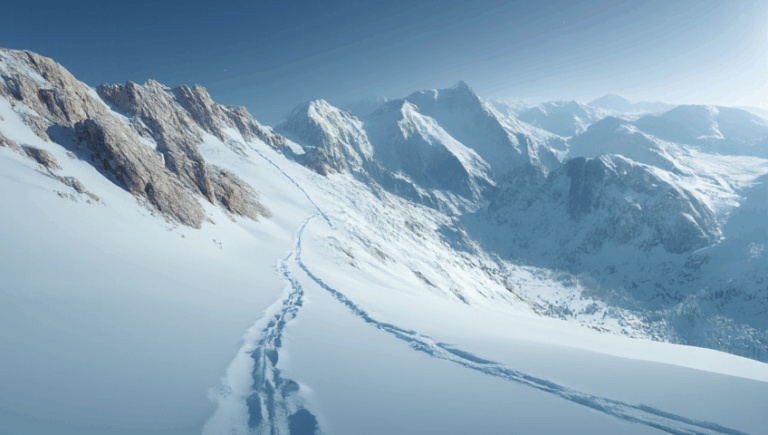
Planning a swift travel Switzerland to Chamonix adventure? Whether you’re a ski‑lover eyeing the pristine slopes of Mont Blanc, a photographer chasing sunrise over the Alps, or simply a weekend explorer from Geneva, the options are richer than a fondue pot. You can hop on a train at Cornavin station, catch the Léman Express to Vallorcine, board a bus or a shuttle bus from Geneva Airport, or drive the scenic route through Martigny.
The region thrives on seamless connection – you’ll find timetable boards flashing departure times for the Mont Blanc Express, CEVA links between Eaux‑Vives and St Gervais, and a steady flow of SBB services that keep the Alpine pulse alive. With discount cards for seniors, adults and teenagers, plus occasional free weekend promos, a well‑planned ticket can save you both time and Swiss francs.
Table of Contents
Choosing your Alpine gateway: train versus road
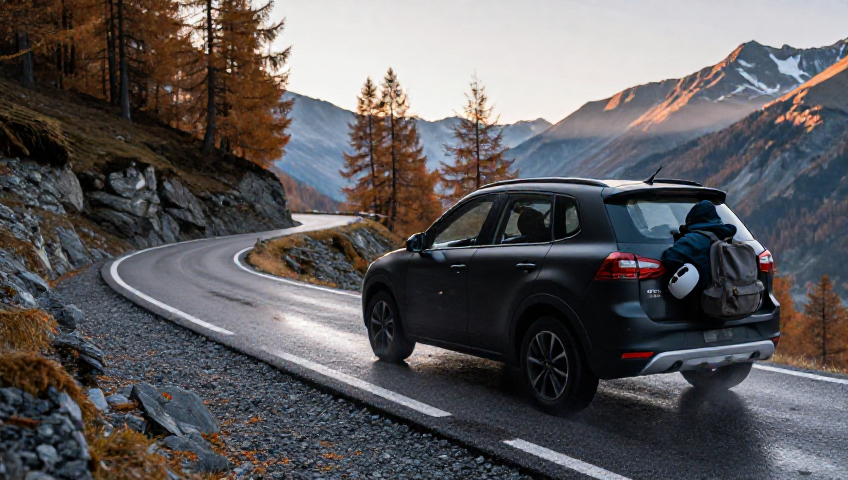
Switzerland’s rail network is world‑renowned for punctuality, comfort and breathtaking views. The Geneva – St Gervais – Chamonix line, operated by SNCF and the SBB, slices through the Rhône Valley, offering a classic train experience that feels like a moving postcard. If you prefer the freedom of wheels, the 80‑kilometre route via A41 and A40 delivers a dramatic climb past Lake Geneva (Léman) and through the historic town of Martigny.
- Train: 3‑hour journey, scenic panoramas, free Wi‑Fi, ticket prices from US$28.50.
- Car hire: 1½‑hour drive, flexibility to stop at roadside cafés, tolls and border checks.
- Bus/Shuttle: 2‑hour service, frequent departures, convenient transfer at the airport.
In practice, a shuttle bus from Geneva Airport often beats the train for speed when you have heavy ski gear. Yet, the rails offer a smoother ride on weekday mornings when the motorways clog with holiday traffic.
How the Mont Blanc Express fits into the picture
The iconic Mont Blanc Express departs from St Gervais‑Le Fayet and threads its way to Vallorcine, the last Swiss stop before crossing the French border. A typical timetable shows a departure every two hours on weekends, with more frequent weekday services during ski season. The train’s panoramic windows frame the Aiguille du Midi, making it a favourite among photographers.
Getting to Chamonix from Geneva Airport – step by step
Landing at Geneva Airport (GVA) means you’re already edging close to the Alps. Here’s a quick rundown of the most common transfer options:
- Shuttle bus: Book a seat in a 9‑ or 13‑seater minibus; the journey takes about 75 minutes, with a short border checkpoint at the customs office.
- Train: Take the Léman Express from Cornavin to Martigny (≈1h), then switch to the Mont Blanc Express to Chamonix.
- Taxi: A door‑to‑door taxi ride costs around CHF 250, ideal for families with a child or teenager in tow.
Border formalities made easy
Switzerland is part of the Schengen Area, so for EU nationals the border crossing is usually a matter of flashing a passport. Non‑EU travellers might face a brief interview, but the process typically stays under ten minutes if you have a printed ticket and your accommodation details ready.
Ticketing tricks and discount cards
Buying a train ticket in advance on the SBB website often nets you a 10‑15% discount. If you travel frequently between Geneva and Chamonix, consider the Swiss Travel Pass – it covers unlimited rides on train, bus and boat services, plus free entry to many museums along the way.
- Youth card: 30% off for passengers under 26.
- Senior card: 25% off for travelers over 65.
- Family ticket: One adult + one child travel for the price of an adult.
For spontaneous trips, the CEVA regional ticket offers a day‑pass for unlimited hops between Eaux‑Vives, Cornavin and Ann emasse. It’s especially handy on weekend ski outings when you want to hop on the Mont Blanc Express and return the same day.
Comparing the main ways to reach Chamonix
| Mode | Typical Duration | Cost (one‑way) | Pros | Cons |
|---|---|---|---|---|
| Train (Geneva – St Gervais – Chamonix) | ≈3 h | US$28‑45 | Scenic, no traffic, free Wi‑Fi | Longer on weekdays, requires transfer at Martigny |
| Shuttle bus (airport‑Chamonix) | ≈1h 15 min | CHF 35‑45 | Direct, luggage space, quick border check | Less comfortable than train, limited luggage rack |
| Car hire | ≈1h 30 min | CHF 80‑120 (incl. fuel) | Flexibility, stop‑over options | Parking fees, winter driving conditions |
| Bus (Geneva – Chamonix) | ≈2 h 30 min | CHF 25‑35 | Cheapest, frequent departures | Longer travel time, crowding in peak season |
Seasonal nuances: weekday vs weekend travel
During the high‑season ski weeks, weekend services tend to be packed, especially the Mont Blanc Express and shuttle bus routes. If you can afford a weekday departure, you’ll enjoy more seat availability and a calmer border crossing. Conversely, the weekday timetable often includes early‑morning departure slots that are perfect for sun‑chasing photographers.
Discounts that pop up in winter
Many operators release “early‑bird” promotions in November, offering up to 20% off train tickets for journeys booked before 1 December. Keep an eye on the SBB app and the CEVA website for flash sales that sometimes include a free bus ride on the return leg.
Practical tips for a smooth Alpine crossing
- Pack a small day‑pack with a water bottle, sunscreen, and a light jacket – Alpine weather changes fast.
- Validate your ticket at the SBB gate before boarding; unvalidated tickets can lead to hefty fines.
- If you travel with a child under 6, many services are free when accompanied by a paying adult.
- Download the SBB and Léman Express apps; they provide real‑time timetable updates and platform changes.
How to combine a Swiss city stop with a Chamonix day‑trip
From Geneva you can easily spend a morning exploring the Old Town, the Jet d’Eau, and the United Nations headquarters, then hop on the Léman Express at Cornavin for an afternoon train to Chamonix. The journey offers a perfect blend of urban culture and Alpine adventure. If you’re based in Lausanne or Bern, take a quick SBB train to Martigny and transfer to the Mont Blanc Express – the scenic stretch is a treat on its own.
Frequently Asked Questions
How do I get to Mont Blanc from Switzerland?
There is no direct rail line from Swiss territory to the summit of Mont Blanc. The usual approach is to take a train from Geneva or Zurich to Martigny, transfer to the Mont Blanc Express to Chamonix, and then join a cable‑car or the famous Mont Blanc Tramway from Chamonix to the mountain’s base stations.
What is the best city to fly into to get to Chamonix?
Geneva International Airport (GVA) is the closest major gateway, situated roughly 1.5 hours by road from Chamonix. From the airport you can catch a dedicated shuttle bus, a train via Cornavin, or rent a car for a flexible drive up the Alpine passes.
What is the most efficient way to travel from Geneva to Chamonix on a tight schedule?
For speed and convenience, the best option is a direct shuttle bus from Geneva Airport. The service departs every hour, bypasses the centre of Geneva, and reaches Chamonix in about 75 minutes, including the simple border clearance. If you prefer rail, catch the Léman Express to Martigny and then the Mont Blanc Express, though this adds roughly 30‑45 minutes.
Are there any free or discounted services for seniors traveling to Chamonix?
Yes. Seniors (65+) can benefit from the Swiss Travel Pass Senior discount, which reduces the price of train and bus tickets by up to 25%. Additionally, many shuttle operators offer a senior reduced fare on weekdays, and some hotels provide complimentary airport transfers for guests over 70.
Can I bring a bicycle on the train from Geneva to Chamonix?
Both SBB and SNCF allow bicycles on most regional train services, provided you reserve a space in advance during peak months. The Mont Blanc Express has limited bike racks, so it’s wise to travel early in the day or use a shuttle bus that offers dedicated bike carriers.
Is it possible to travel from Switzerland to Chamonix without a passport?
For EU, EEA and Swiss citizens, a national ID card is sufficient for the Schengen border crossing. Non‑EU travelers must present a valid passport and may be asked for proof of onward travel or accommodation. Always carry your ID when you board the train or bus.
Wrapping up the Alpine voyage
From the sleek corridors of Cornavin to the winding mountain passes that lead to Chamonix, the journey across the Swiss‑French border blends efficiency with breathtaking scenery. Whether you choose the comfort of a train, the door‑to‑door convenience of a shuttle bus, or the freedom of a rented car, the region’s well‑coordinated timetable and generous discount schemes make every mode a viable option.
Plan ahead, grab a ticket that matches your travel rhythm, and let the Alpine air guide you to the iconic peaks of Mont Blanc. The adventure begins the moment you step onto the platform – and ends only when you decide to explore the next Alpine valley.