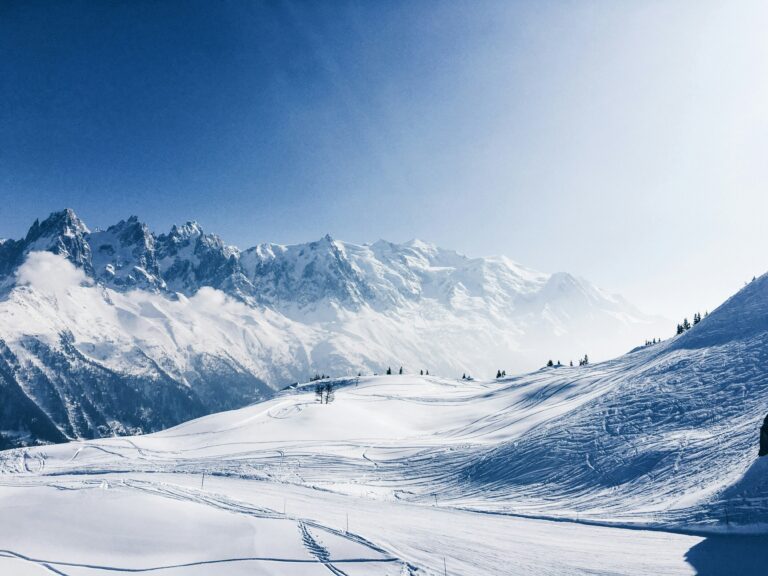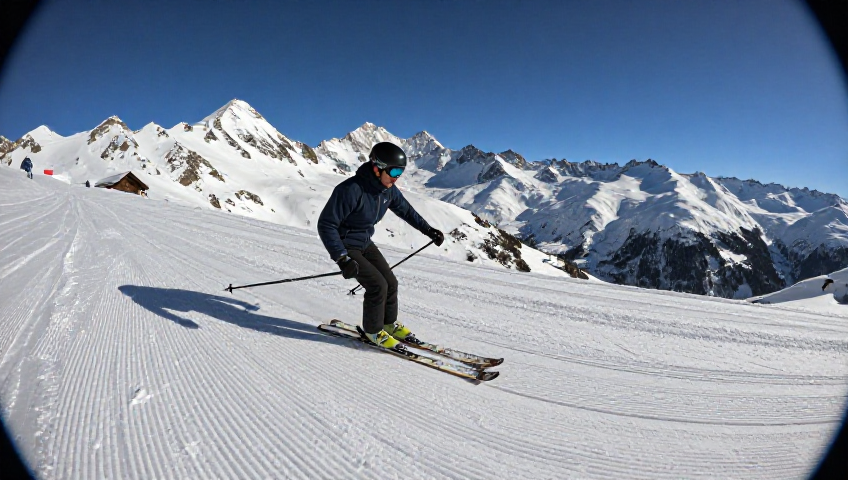
When you picture the French Alps, the towering peak of Mont Blanc and the bustling town of Chamonix usually dominate the mental map. Yet, for intermediate skiers looking for a mix of blue and red runs, the valley offers a surprisingly wide range of terrain that balances challenge and confidence. From the sun‑kissed bowls of Les Houches to the panoramic glacier views from the Aiguille du Midi, the intermediate slopes in Chamonix provide the perfect playground for a ski holiday that feels both adventurous and relaxed.
Table of Contents
Which runs are the best for intermediate skiers?
Chamonix’s reputation often leans toward extreme, steep terrain, but the intermediate terrain hidden across the resort is nothing short of spectacular. The blue and red pistes stretch from gentle, wide‑open fields ideal for gaining speed to more technical sections that test edge control. Below is a quick snapshot of the most praised runs:
- Les Grands Montets – 2‑Star Red: A long, sweeping descent with a steady gradient, perfect for polishing carved turns.
- Brévent – Blue 4: Offers a sunny, south‑facing face with spectacular views of the Mont Blanc range.
- La Flégère – Red 5: Combines tree‑lined sections with open bowls, ideal for progressing skiers.
- Les Houches – Blue 3: Gentle, wide slopes ideal for practicing parallel skiing.
These ski runs are consistently groomed, and the lift system—including gondolas, chairlifts and the famous Midi cable car—ensures seamless access across the valley.
What are the snow conditions like?
Snow conditions in the Alps can be a moving target, but Chamonix benefits from a high altitude and a variety of micro‑climates. During the 2025 season, the snow reports have shown an average base of 130 cm at the Grand Montets area, with snow quality ranging from fresh powder after night storms to firm, icy surfaces on sunny days. The visibility is generally excellent on the north‑facing slopes, while a sudden change in the weather can bring a brief fog that clears quickly thanks to the valley’s drainage.
Key points to remember:
- Depending on snow depth, the high‑altitude runs keep a solid layer well into late April.
- Bad weather can close the black runs early, but most blue and red pistes stay open.
- Current conditions are updated hourly on the official Chamonix website – a handy tool for planning each day.
Which ski areas are recommended for intermediates?
Beyond the popular Brévent‑Flégère axis, several other zones provide excellent intermediate terrain:
- Balme – A quieter area with long, undulating runs that suit those looking to refine technique.
- Les Houches – Wide, sunny slopes that are less crowded, ideal for a relaxed day.
- Grand Montets – Offers a mix of wide blue bowls and challenging red corridors, delivering a “best of both worlds” experience.
All these recommended areas are linked by a modern network of lifts, including the iconic gondola from Chamonix town centre and the high‑speed chairlifts that whisk you up in minutes.
How do I get to Chamonix?
The easiest gateway is Geneva airport, just an hour’s drive across the Mont Blanc tunnel. From the airport you have several options:
- Transfer – Private shuttles run 24/7, offering door‑to‑door service to most hotels.
- Bus – Regular bus lines connect to the Chamonix train station, a scenic ride that lets you admire the alpine foothills.
- Rental car – Gives you flexibility to explore nearby resorts such as Saint‑Gervais or the Vallorcine valley.
For those preferring rail, the direct SNCF train from Geneva to Chamonix passes through beautiful mountain villages and takes about two hours.
What should I know about the ski pass situation?
Chamonix offers several pass options that suit different itineraries:
- Lift pass – Grants unlimited access to all gondolas, chairlifts and cable cars in the main zones (Brévent, Flégère, Grand Montets, Les Houches).
- Ski club discount – Students and members of local clubs can obtain a reduced‑price pass.
- Combined skiing and snowboarding ticket – Valid for both disciplines across the entire Chamonix ski resort.
Buying the pass online in advance often includes a free ski guide map, which highlights the blue and red runs and the locations of ski schools for those looking to improve technique.
What can I expect on a ski trip to Chamonix?
A typical day starts with a quick breakfast in the town centre, followed by a short walk to the lift station. The lifts are fast and well‑maintained; queues are usually short, especially on weekdays. Once on the mountain, the mix of sun‑lit blue runs and challenging red slopes provides a wide range of experiences for a single group.
After a few hours on the slopes, you can descend to one of the many restaurants that line the valley floor. From casual pizzerias to gourmet Alpine bistros, the culinary scene caters to all tastes. Many establishments feature panoramic windows with spectacular views of Mont Blanc, especially the famed Aiguille du Midi from the Midi cable car station.
Evenings in Chamonix have a lively, yet relaxed atmosphere. The town centre hosts a variety of bars, live music venues and artisan shops. If you feel adventurous, a night‑time snowshoe walk or a short trip to the Mer de Glace ice cave can round off the experience.
You may also wonder
When is the best time of year for intermediate skiing?
The prime window runs from early December to late March, when the snow base is solid and the days are long. January often brings the freshest powder, while February offers a good balance of snow depth and milder weather.
Are ski schools suitable for intermediate improvement?
Yes. Many schools in Chamonix, such as Evolution 2 and UCPA, provide intermediate‑focused lessons that target carving technique, speed control and line selection. Group sizes are small, allowing personalized feedback.
Can I combine skiing with other winter activities?
Absolutely. The area boasts a network of snowshoe trails, ice climbing routes on the glacier, and even a nighttime luge track. For non‑snow enthusiasts, the town’s museums and historic churches are worth a visit.
Is equipment rental affordable?
Rental shops in the town centre and at the lifts offer competitive rates. A full‑day package for intermediate‑level skis, boots and poles typically ranges between €30‑€45, with discounts for multi‑day bookings.
What about off‑peak travel?
Visiting in early December or late April can be quieter, with fewer crowds and reduced lift‑ticket prices. Snow conditions may be variable, but the high altitude of Grand Montets usually guarantees a decent base.
How safe is off‑piste skiing for intermediates?
Off‑piste terrain is best left to experienced skiers or those with a certified guide. The valley’s avalanche risk is closely monitored, and the local rescue service (SPE) responds quickly to any incidents.
Do I need a specific insurance?
Comprehensive winter sports insurance that covers medical evacuation, equipment loss and ski‑related accidents is strongly recommended, especially if you plan to venture beyond the marked pistes.
Wrapping up the intermediate adventure
Chamonix isn’t just a playground for extreme skiers; its intermediate slopes deliver a balanced mix of sunny blue runs, engaging red corridors and breathtaking alpine scenery. By choosing the right areas—whether it’s the sunny face of Brévent, the varied terrain of Grand Montets, or the wide, gentle bowls of Les Houches—you can tailor a ski holiday that builds confidence, sharpens skills, and keeps the smiles coming all day long.
Remember to check daily snow reports, grab a convenient lift pass, and explore the town’s vibrant après‑ski scene. With good planning, your next ski trip to the French Alps will feel both exhilarating and comfortably within reach. So pack your gear, hop on the shuttle from Geneva, and get ready to carve some unforgettable memories on the intermediate slopes of Chamonix.