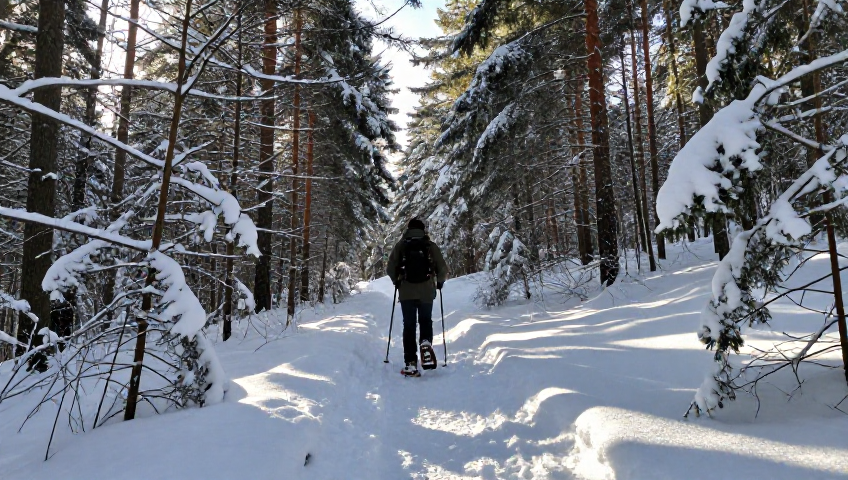
When the first snow settles on the mountains of the Chamonix valley, a whole new world opens for the adventurous. Winter hiking in Chamonix becomes a blend of crisp air, pristine snow-covered paths and dramatic views that turn each step into a photograph waiting to happen. Whether you’re a seasoned hiker or a curious beginner, the region offers an experience that balances challenge and wonder, from gentle walks beside frozen lakes to high‑altitude loops that spiral around the iconic Mont Blanc massif.
Beyond the sheer beauty, the magic lies in the details: the crunch of fresh powder under sturdy boots, the glow of sunrise over the glacier, and the warm hospitality of a chalet waiting at the end of a day’s trek. Let’s dive into the routes, the gear, and the tips that will help you make the most of your winter wanderings in this legendary alpine playground.
Table of Contents
What are the best winter hiking trails?
Chamonix boasts a network of routes that transform into spectacular snowshoeing trails when the temperature drops. Below you’ll find the three most celebrated paths, each highlighted with the specific qualities that make them stand out.
| Trail | Difficulty | Highlights |
|---|---|---|
| Le Grand Balcon Sud | Easy to moderate | Panoramic view of Mont Blanc, snow-covered forest; reachable by cable car to La Flégère. |
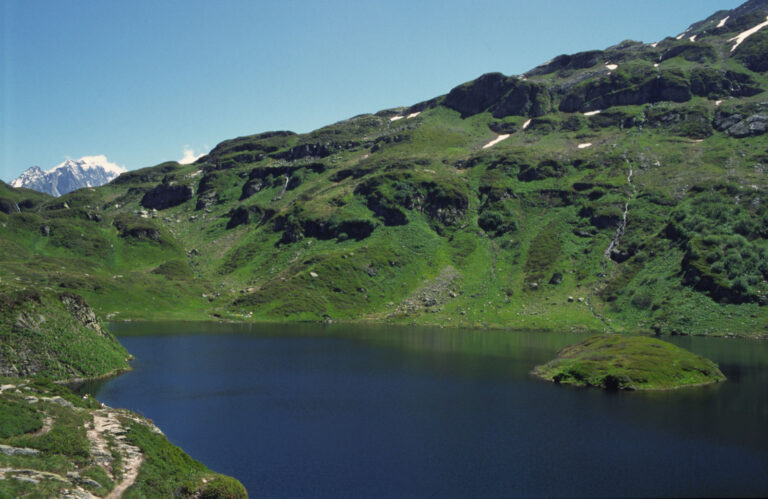
| Tour du Lac Blanc | Moderate | Crystal lac surrounded by glacier walls; excellent for snowshoeing and small huts for lunch. |
| Val Ferret loop | Hard | Crosses the Italian border, offers wild flora, and provides a sense of remote wilderness. |
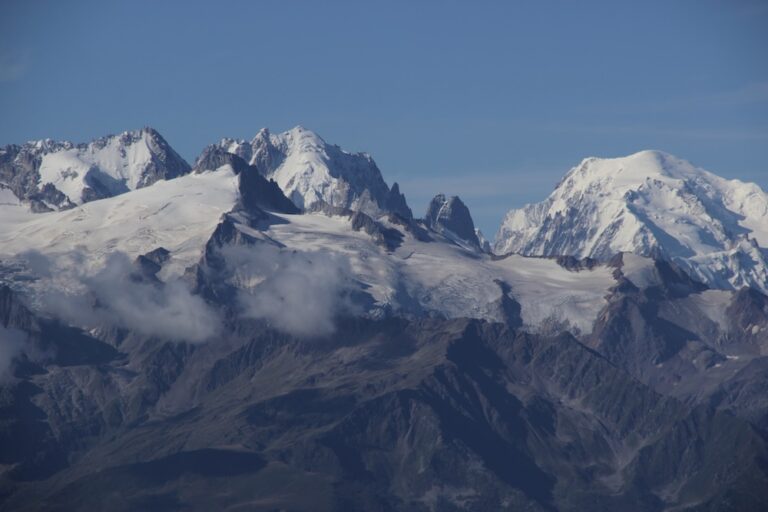
These routes belong to the best snowshoeing trails in Chamonix‑Mont Blanc and are frequently praised for their scenic allure and well‑marked paths. The Mont Blanc massif dominates the horizon, turning every mile into a stunning tableau of alpine beauty.
How to prepare for winter hiking?
Preparation is the backbone of any safe winter hike. Below is a concise checklist that blends essential safety equipment with smart clothing choices.
- Clothing: Layered system – moisture‑wicking base, insulated mid‑layer, waterproof outer shell.
- Boots: Insulated, waterproof, with good ankle support; pair them with gaiters for deep snow.
- Walking poles: Essential for stability on icy sections and to reduce strain on knees.
- Technical level assessment: Know your physical level and choose routes accordingly.
- Safety equipment: Avalanche beacon, probe, shovel, and an emergency kit with a thermal blanket.
Don’t forget a reliable map (digital or paper) and a fully charged device capable of reaching emergency services. Many hikers also carry a small thermos of hot chocolate – a morale booster on cold days.
What to expect during winter hikes?
Winter transforms the mountain landscape dramatically. The snow covered terrain can be both a wonder and a challenge. Expect:
- Weather: Rapid shifts; sunny mornings can turn to windy afternoons. Always check the forecast before heading out.
- Conditions: Variable snow depth; icy patches near rock outcrops demand careful footing.
- Elevation gain: Many routes climb 800–1,200 metres, affecting oxygen levels and temperature.
- Time on trail: Shorter daylight hours mean you’ll often finish a day trek by early dusk.
- Terrain: From gentle forested paths to steep, technical sections that require crampons.
Experience a unique atmosphere where silence is broken only by the crunch of your steps and the occasional wildlife call. It’s a wild yet peaceful setting that few other places can match.
Where to snowshoe in Chamonix?
If you’re drawn to the soft, undisturbed powder, the following areas are highly recommended by locals and guidebooks:
- Snowshoeing in Chamonix at La Flégère – a short cable car ride brings you to sprawling alpine meadows.
- The Chamonix Mont Blanc Val Ferret valley – offers long, open tracks with spectacular surrounding peaks.
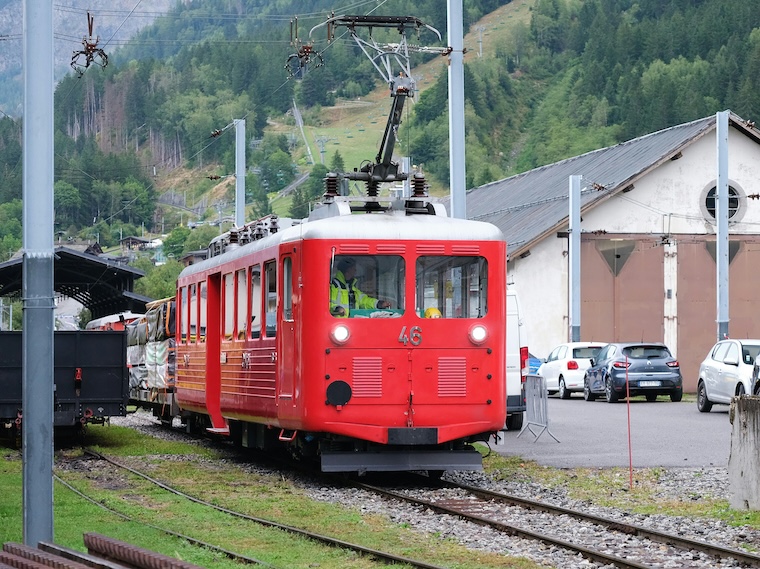
- Mer de Glace – the world’s longest glacier is accessible via the Mont Blanc train and provides a surreal icy landscape.
- Bossons glacier – a less crowded spot with gentle slopes perfect for beginners.
Each site is equipped with marked routes, snowshoe rentals, and often a nearby chalet for a warm drink after the trek.
Are there guided winter hikes available?
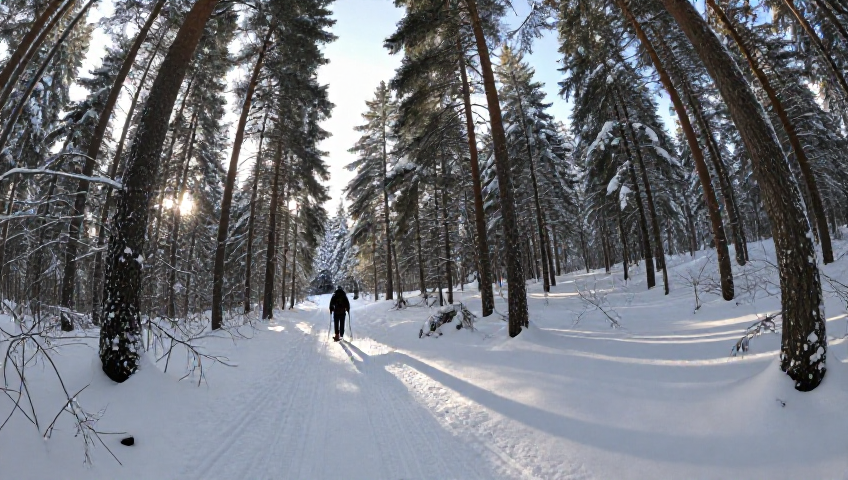
For those who crave expert insight or simply want the reassurance of a professional, Chamonix offers a range of guided snowshoe trek options. Local outfitters provide:
- Private guide services tailored to your skill level.
- Group hiking tours that combine education about flora, fauna, and mountain history.
- Specialized snowshoeing courses for beginners.
- Multi‑day adventures that include stays at mountain huts and chalet meals.
Choosing a local guide not only enhances safety but also enriches your understanding of the region’s cultural heritage. Many guides are certified by the French Alpine Club, ensuring they are knowledgeable about avalanche risk and technical terrain.
What are the scenic views in Chamonix?
Every turn on a winter trail rewards you with stunning vistas. Highlights include:
- The Mont Blanc massif bathed in pink sunrise – a picture‑perfect moment often shared on Instagram.
- The Valley floor reflected in icy lac surfaces, creating a mirror‑like scenic effect.
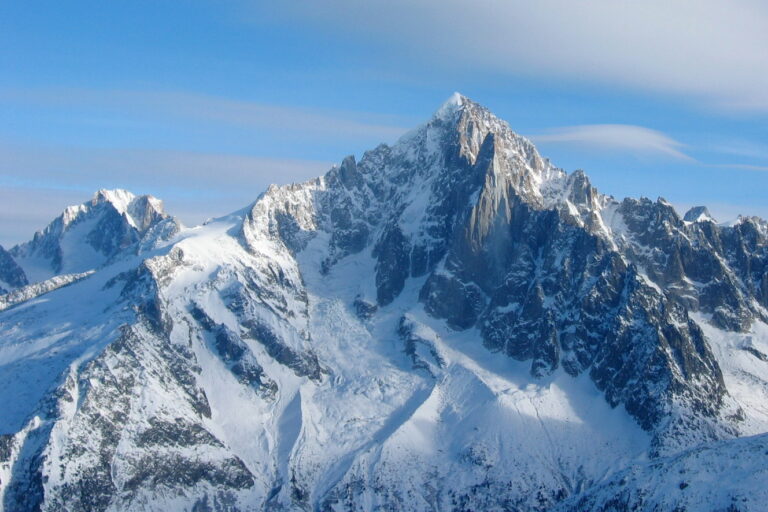
- Panoramic view from the Aiguille du Midi cable car – a 40‑minute ascent to a high‑altitude terrace that feels like standing on a cloud.
- Hidden glaciers and frozen waterfalls that provide a wonderland ambiance, especially around the bossons glacier area.
These beautiful frames are not just for the camera; they anchor the soul, reminding you why the alpine environment draws hikers year after year.
How to access winter hiking areas?
Reaching the trailheads is straightforward thanks to an integrated transport system:
- Cable car rides (e.g., La Flégère, Aiguille du Midi) whisk you up to high‑altitude starting points.
- Dedicated car parks near popular routes, with clear signage.
- Regular public transport buses from the town of Chamonix to trailheads like Les Houches and Le Tour.
- For the adventurous, the Mont Blanc tunnel offers a scenic drive that can be combined with a short hike in the Haute Savoie region.
Most access points are well‑marked, and many have information boards detailing trail difficulty and current weather conditions.
You may also wonder
When is the best time of year for winter hikes?
Generally, the period from late November to early March offers the most reliable snow cover. Early December can be quiet, while February often brings longer daylight hours. Always verify local forecast before heading out.
Do I need a special permit to hike?
No specific permit is required for day hikes in the Chamonix valley. However, if you plan to camp above 2,000 m, you must respect the rules of the national park and stay within designated zones.
Can I combine skiing and hiking?
Absolutely. Many trailheads double as ski lift access points, allowing you to ski a morning run and then transition to a snowshoe walk in the afternoon.
What wildlife might I encounter?
Winter sightings are rarer but you may spot ibex, chamois, and occasional golden eagles soaring above the mountain peaks. Keep a respectful distance.
Are there kid‑friendly winter routes?
Yes. The Le Grand Balcon Sud loop is gentle, relatively flat, and offers safe spots for parents to rest while children explore the snowy forest.
How do I stay warm without overheating?
Use the classic layering system: a moisture‑wicking base, an insulating middle layer, and a breathable waterproof shell. Adjust cuffs and vents as activity level changes.
Is it possible to do a multi‑day winter trek?
Multi‑day treks are offered by several local guides. They combine mountain huts, chalet meals, and daily routes ranging from 8 to 12 km, depending on conditions.
What emergency services are available?
Chamonix has a well‑coordinated mountain rescue service (SAV). Carry a fully charged phone and consider a personal locator beacon for remote sections.
Can I rent gear on site?
Yes. Most hotels, sports shops, and the Chamonix ski school rent snowshoes, trekking poles, and insulated clothing.
Embracing the alpine winter: final thoughts
Winter hiking in Chamonix is more than a physical activity; it’s a dialogue with nature, a chance to see the Mont Blanc massif in a different light, and an invitation to step out of the ordinary. By choosing the right trail, preparing with proper safety equipment, and respecting the mountain’s rhythm, you turn a simple walk into a memorable adventure.
So pack your boots, secure a cable car ticket, and set out for a day where every breath of crisp air etches a story in the snow. Whether you’re chasing the perfect view or seeking quiet under a canopy of frosted trees, Chamonix’s winter landscape welcomes you with open arms. The mountains await – and they promise to be as unforgettable as the first step you take.